DEEP-SEAM: an explainable semi-supervised deep learning framework for mineral prospectivity mapping
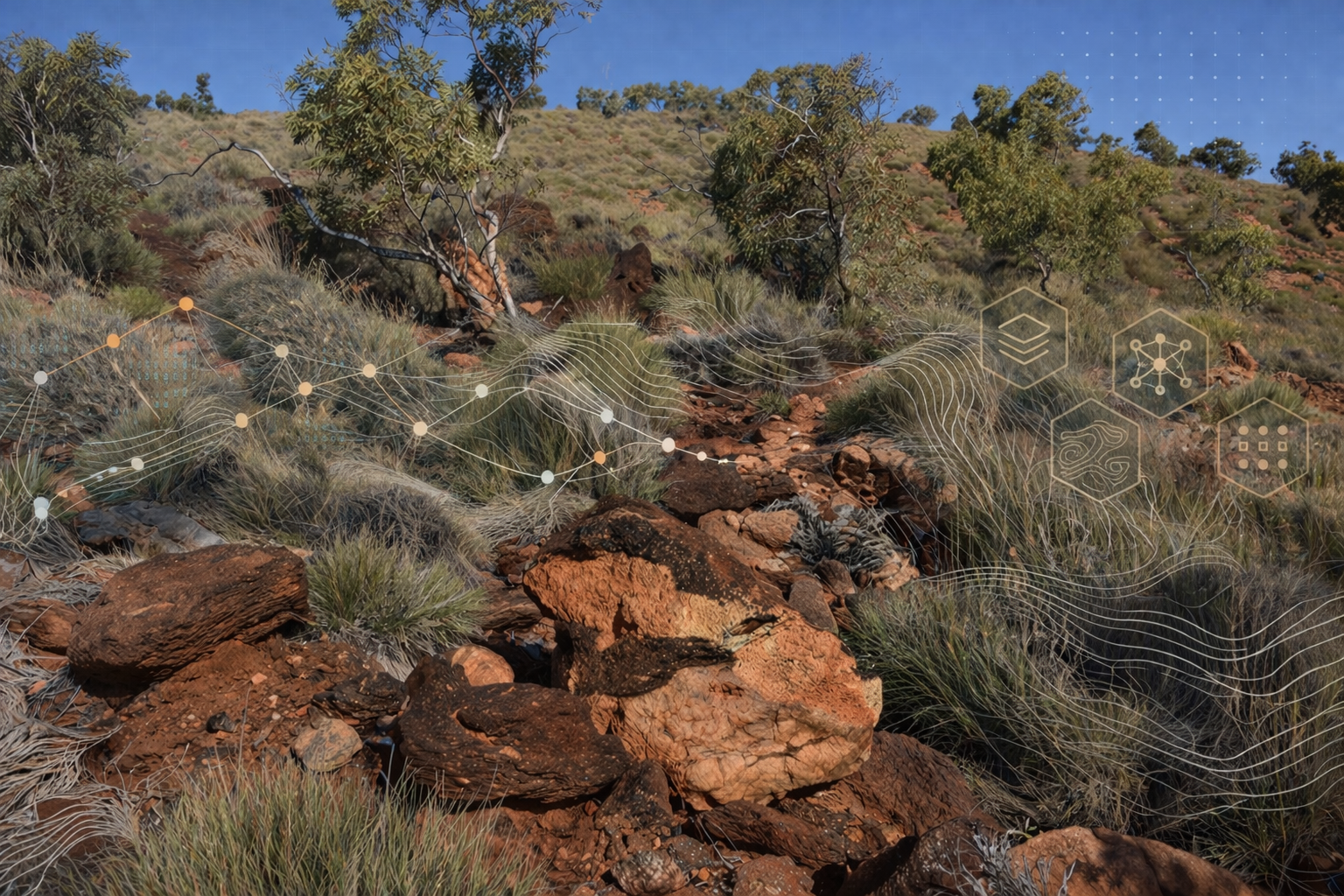
Abstract. The global transition to clean energy is sharply increasing demand for rare earth elements (REEs), yet discovery rates are declining, especially in areas concealed by younger cover. Deep learning (DL) offers new opportunities for mineral prospectivity mapping (MPM), but its application is challenged by sparse labelled mineral occurrences, strong class imbalance, and limited model … Read more…
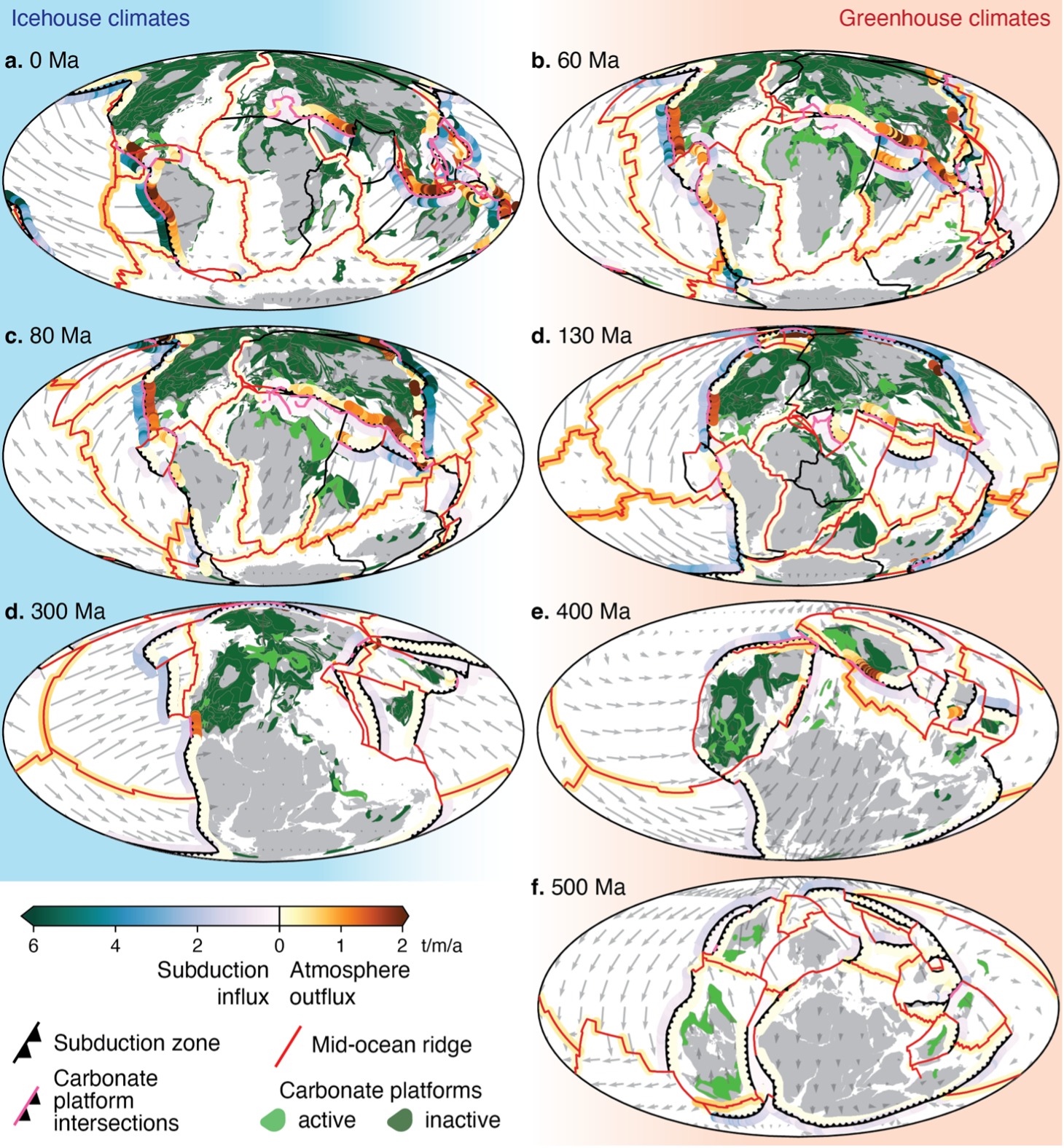
Carbon emissions along divergent plate boundaries modulate icehouse-greenhouse climates

The exchange of carbon between oceanic plates, the deep Earth, and the atmosphere plays a significant role in modulating global climate1,2. Icehouse-greenhouse climate fluctuations have been attributed to changes in palaeogeography and solid Earth degassing3, particularly along continental arcs2,4,5, to arc weathering5 and to the sequestration of carbon into oceanic carbonate-rich sediments6. However, the proportions … Read more…

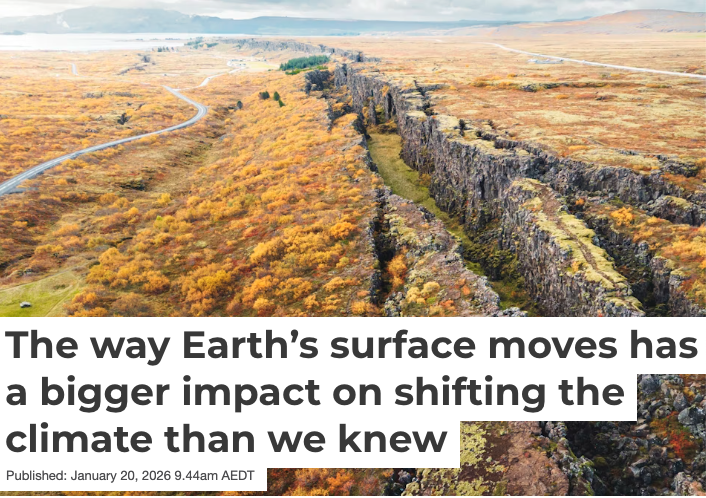
The way Earth’s surface moves has a bigger impact on shifting the climate than we knew

Our planet has experienced dramatic climate shifts throughout its history, oscillating between freezing “icehouse” periods and warm “greenhouse” states. Scientists have long linked these climate changes to fluctuations in atmospheric carbon dioxide. However, new research reveals the source of this carbon – and the driving forces behind it – are far more complex than previously … Read more…

Volcanoes had lower greenhouse gas emissions in Earth’s past

The power of volcanoes to change Earth’s climate may not be as ancient as previously thought. Throughout our planet’s history, the climate has fluctuated between “icehouse” and “greenhouse” conditions, largely determined by the levels of greenhouse gases, such as carbon dioxide, in the atmosphere. Volcanic arcs, the giant chains of erupting peaks in places like … Read more…