Influence of secular cooling on core-mantle boundary heat flux and mantle plume temperature over 1.8 billion years

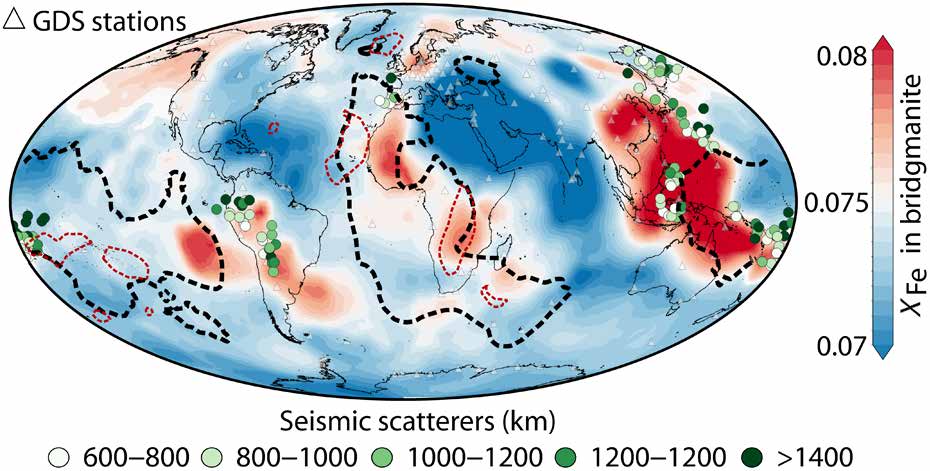
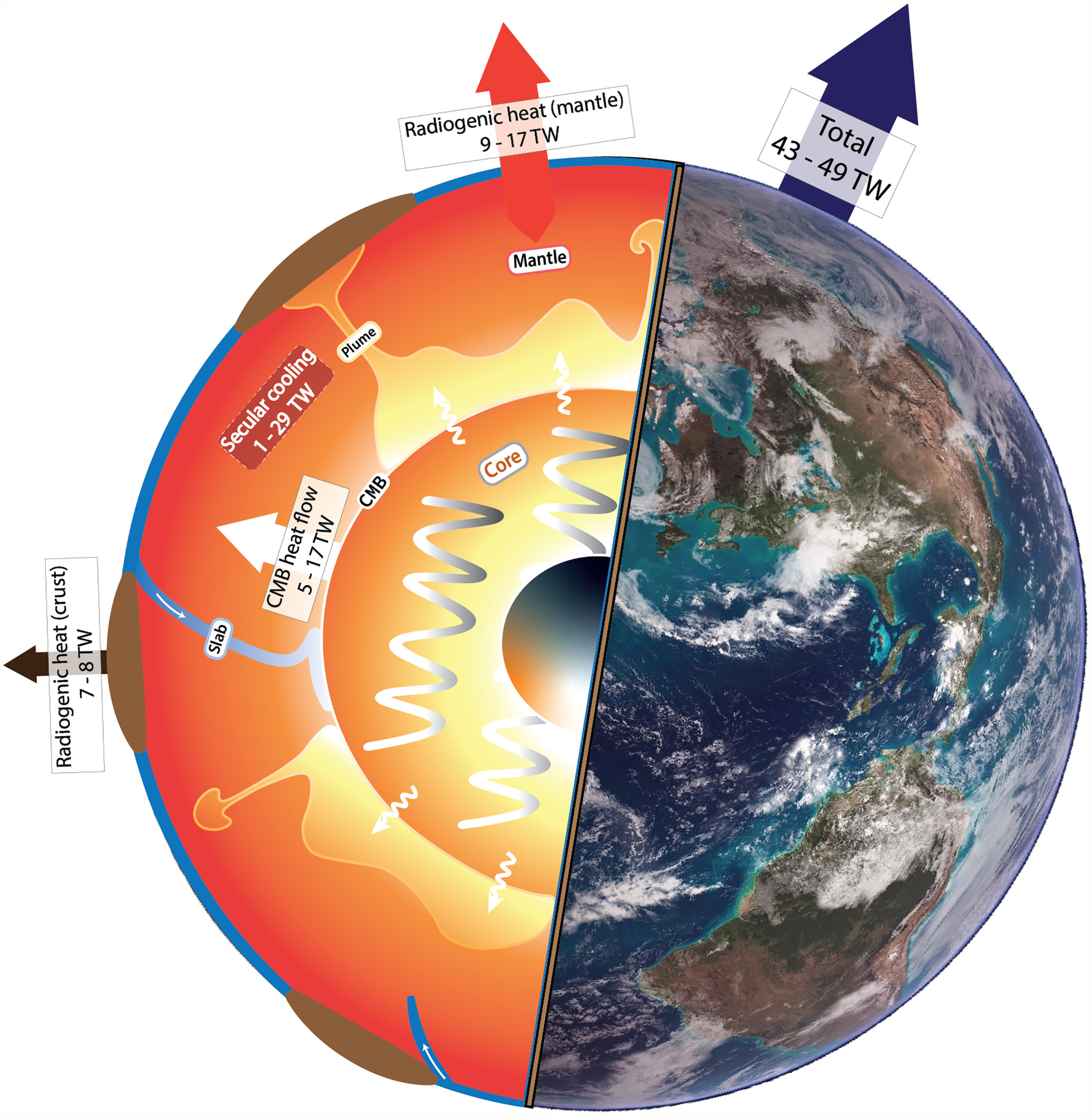
Figure 1 from Zhang et al. (2026)

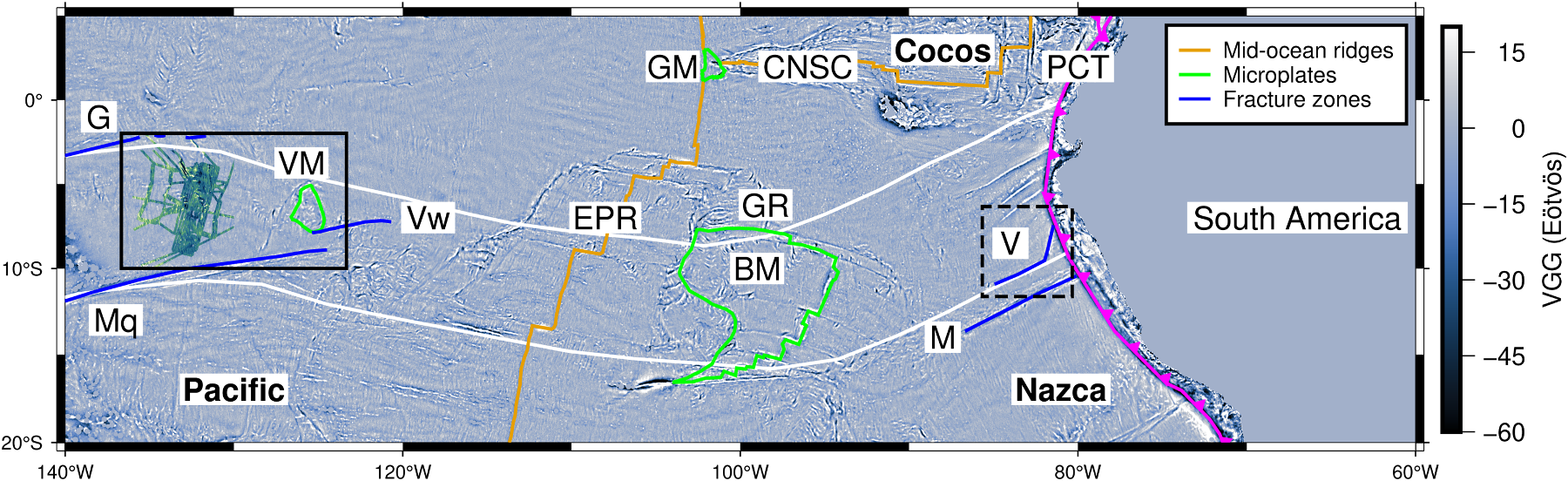
Researchers modelled global mantle flow over the past 1.8 billion years, incorporating the gradual cooling of Earth’s core and the decay of radiogenic heat sources through time. They found that this long-term cooling reduces both the heat flowing out of the core and the temperature of mantle plumes, at rates consistent with independent geological evidence. … Read more…

Parallel volcanic chains generated by plume-slab interaction

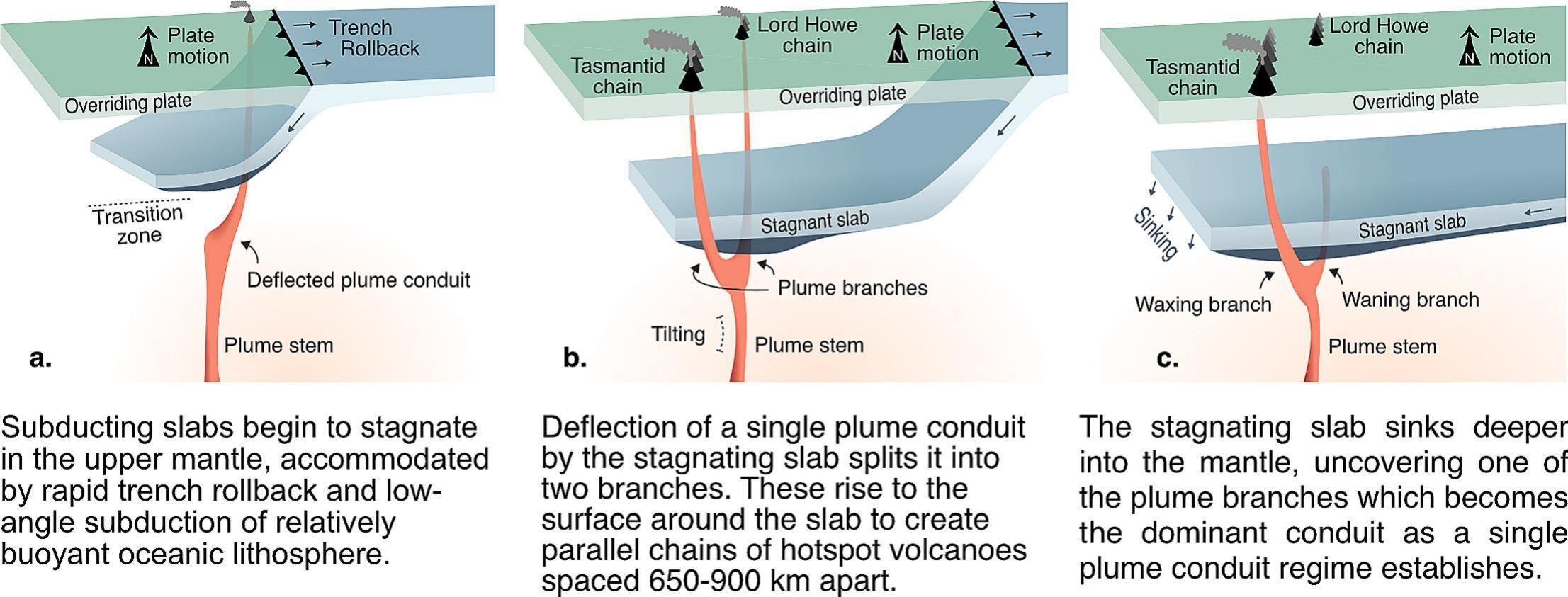
Figure from Mather et al. (2026)

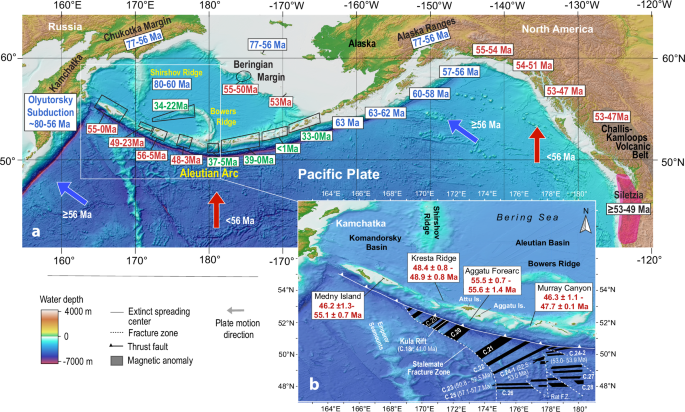
Using a 3D numerical model of mantle convection, the authors show how a single deep mantle plume can be split into two long-lived branches by a stagnating slab in the upper mantle, producing parallel volcanic chains. This explains why the Lord Howe and Tasmantid seamount chains in the SW Pacific have stayed 650–900 km apart … Read more…

Enhancing reproducibility in hybrid Earth system models

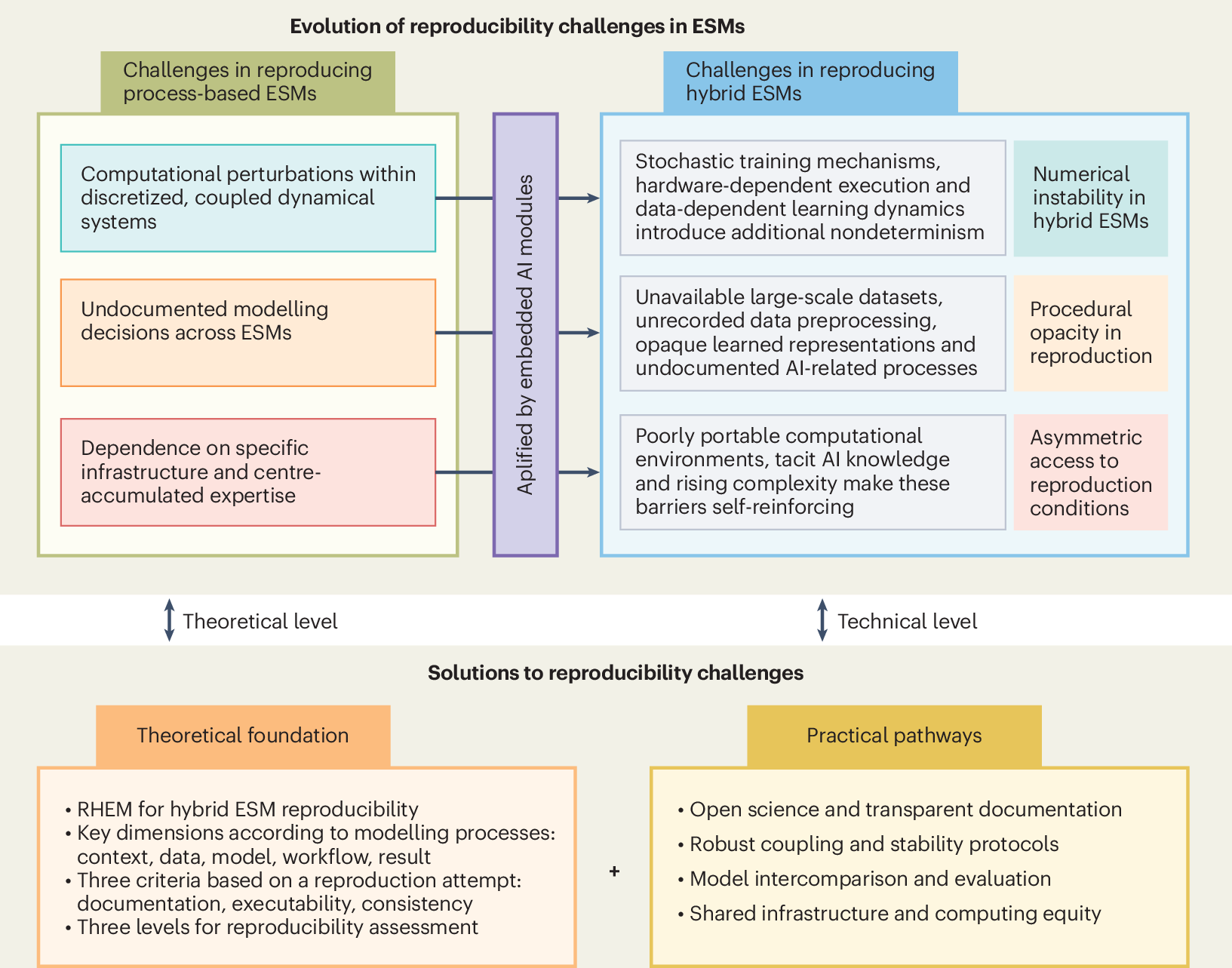
Diagram showing how reproducibility challenges in Earth system models have evolved from process-based frameworks to AI-integrated hybrid systems.

This Perspective argues that as artificial intelligence is increasingly built into Earth system models, reproducibility needs to be rethought to match how these hybrid models actually work. The authors highlight risks such as numerical instability, opaque procedures and unequal access to computing power, which can undermine trust and traceability in climate research. They propose a … Read more…

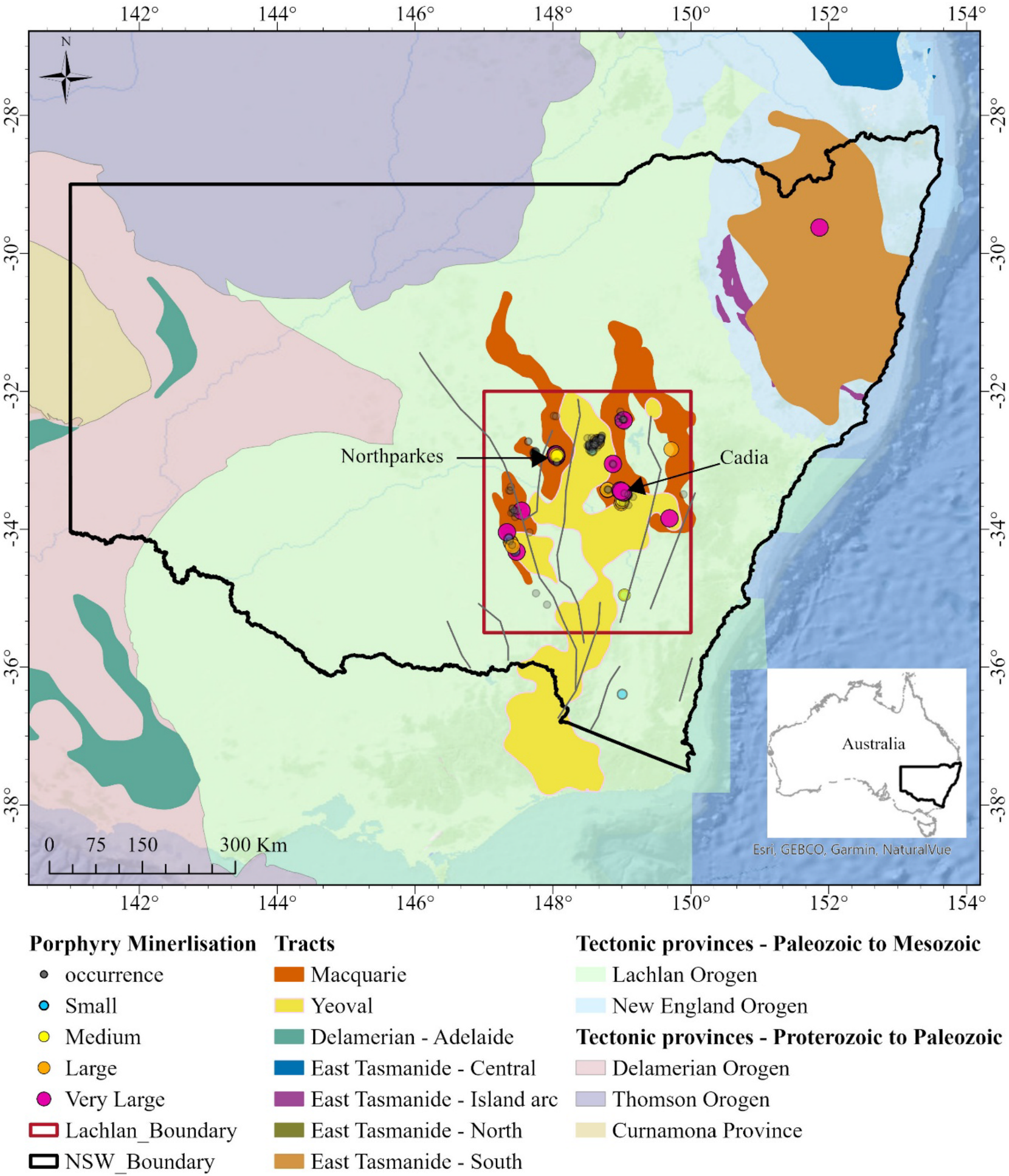
DEEP-SEAM: an explainable semi-supervised deep learning framework for mineral prospectivity mapping

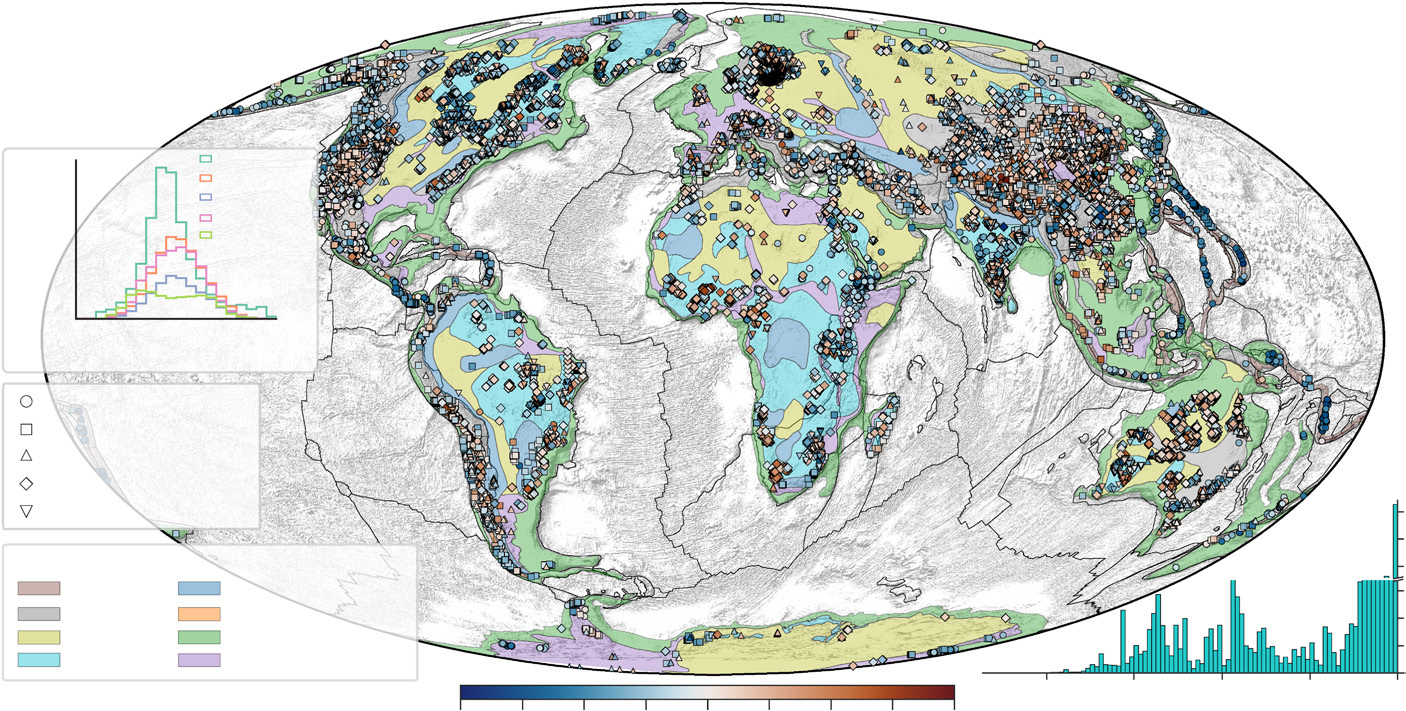
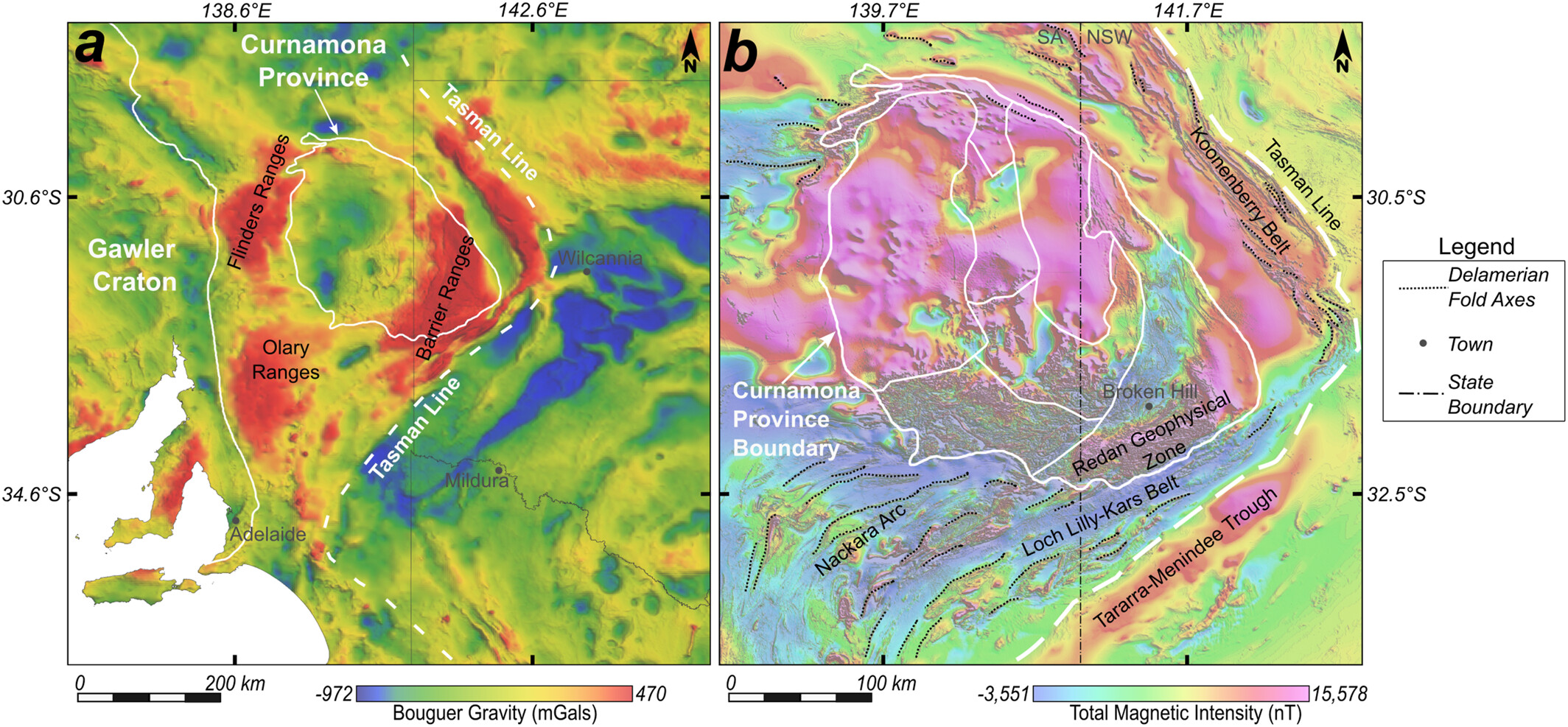
Abstract. The global transition to clean energy is sharply increasing demand for rare earth elements (REEs), yet discovery rates are declining, especially in areas concealed by younger cover. Deep learning (DL) offers new opportunities for mineral prospectivity mapping (MPM), but its application is challenged by sparse labelled mineral occurrences, strong class imbalance, and limited model … Read more…

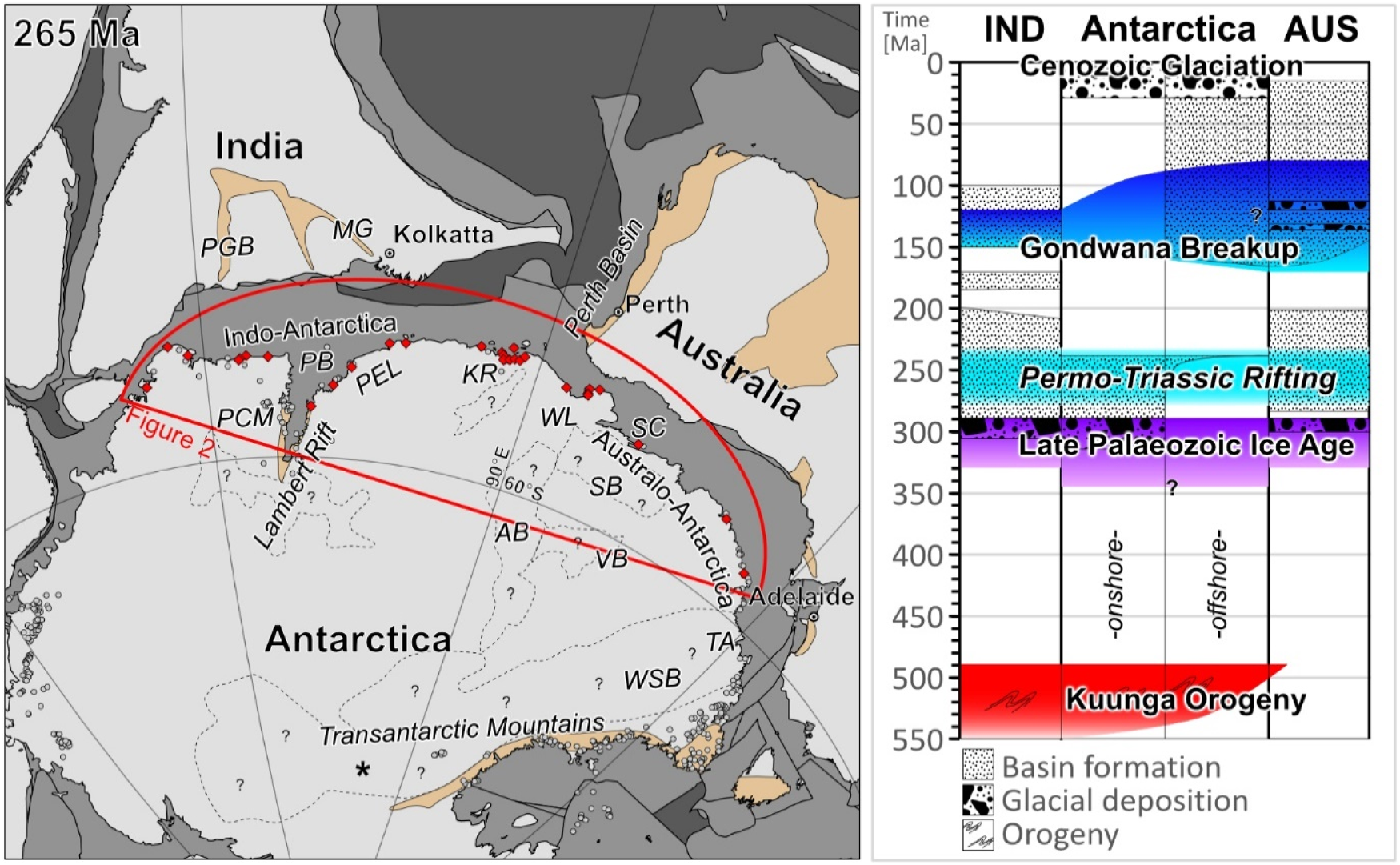
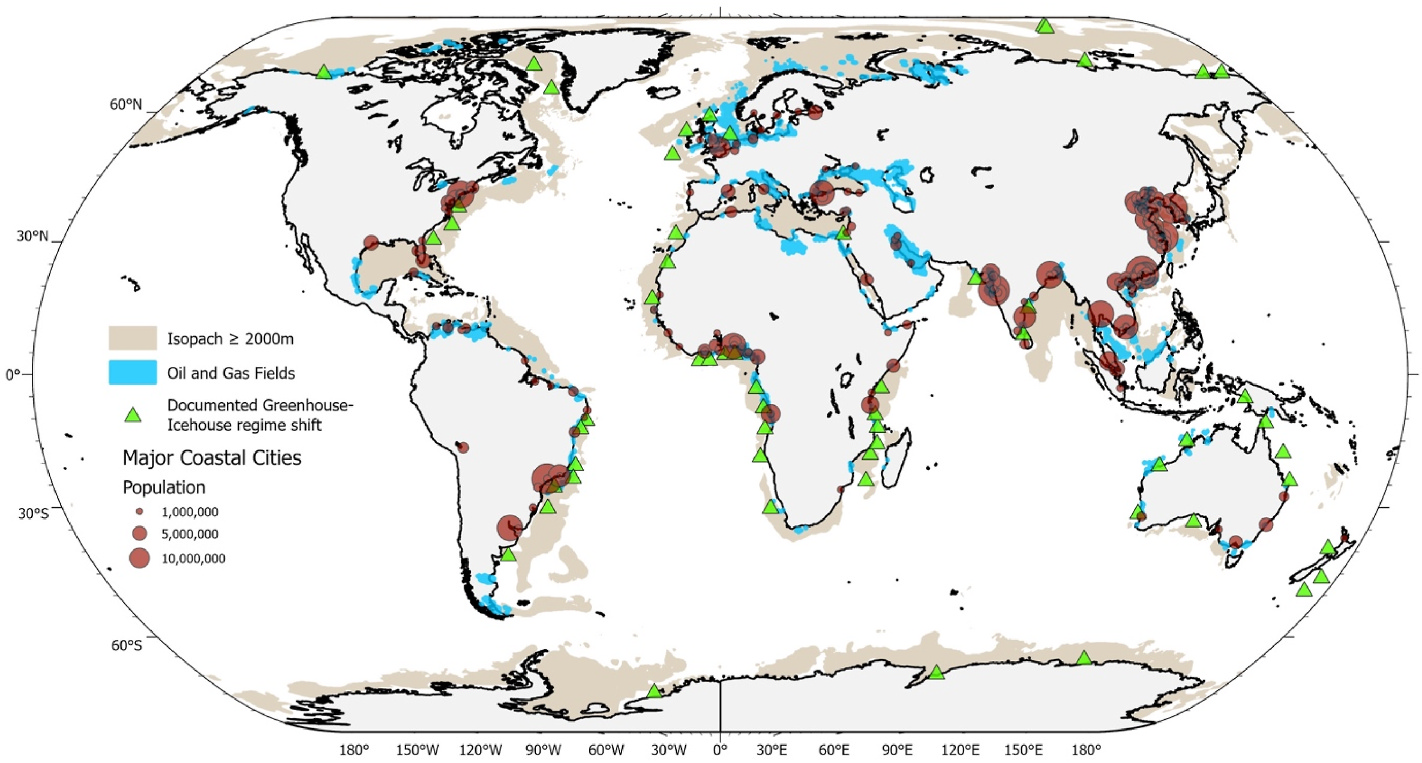
Carbon emissions along divergent plate boundaries modulate icehouse-greenhouse climates

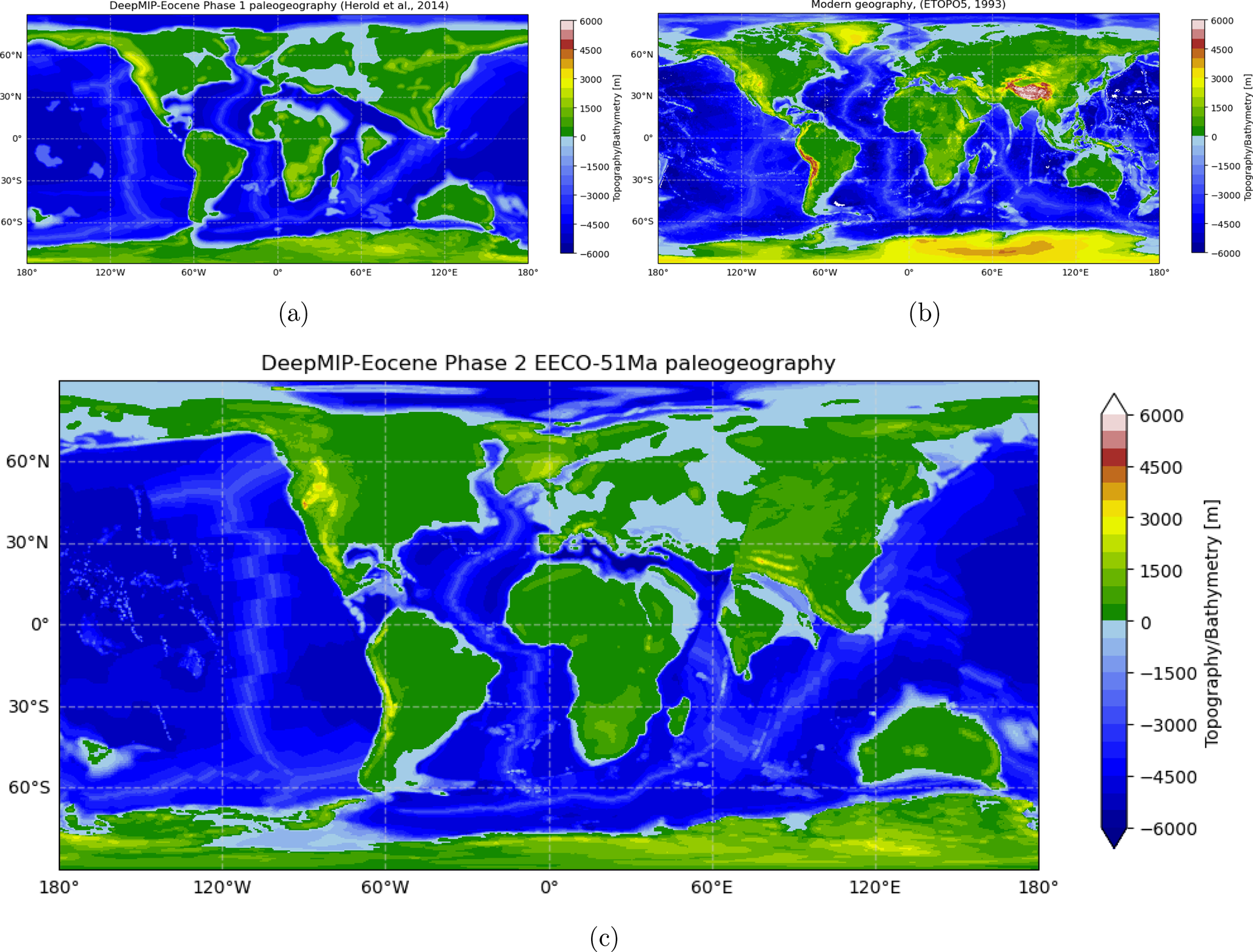
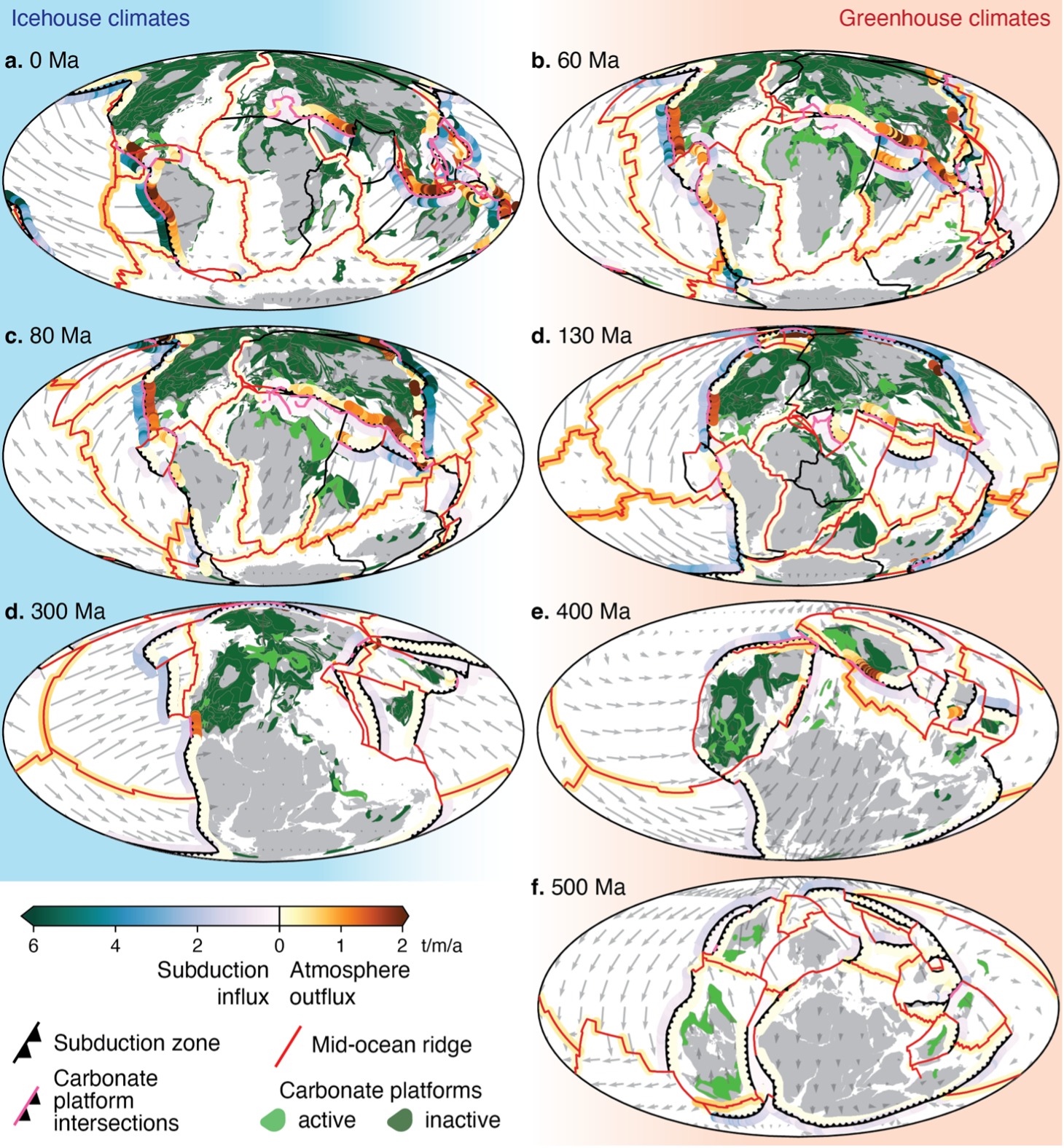
The exchange of carbon between oceanic plates, the deep Earth, and the atmosphere plays a significant role in modulating global climate1,2. Icehouse-greenhouse climate fluctuations have been attributed to changes in palaeogeography and solid Earth degassing3, particularly along continental arcs2,4,5, to arc weathering5 and to the sequestration of carbon into oceanic carbonate-rich sediments6. However, the proportions … Read more…