
New open-source tutorial suite links GPlately with PyGMT
Logo for the GPlately + PyGMT tutorial suite.

EarthByte has released version 1.0 of an open-source tutorial suite, “Extending PyGMT into Deep Time via GPlately“, which combines GPlately’s plate-tectonic reconstructions with PyGMT’s publication-quality cartography. The AuScope-supported suite includes 80 Jupyter notebooks organised into 11 thematic learning clusters, with workflows ranging from a first paleogeographic map for undergraduates to research-grade applications. Topics covered include … Read more…

GPlately1.3 released

GPlately

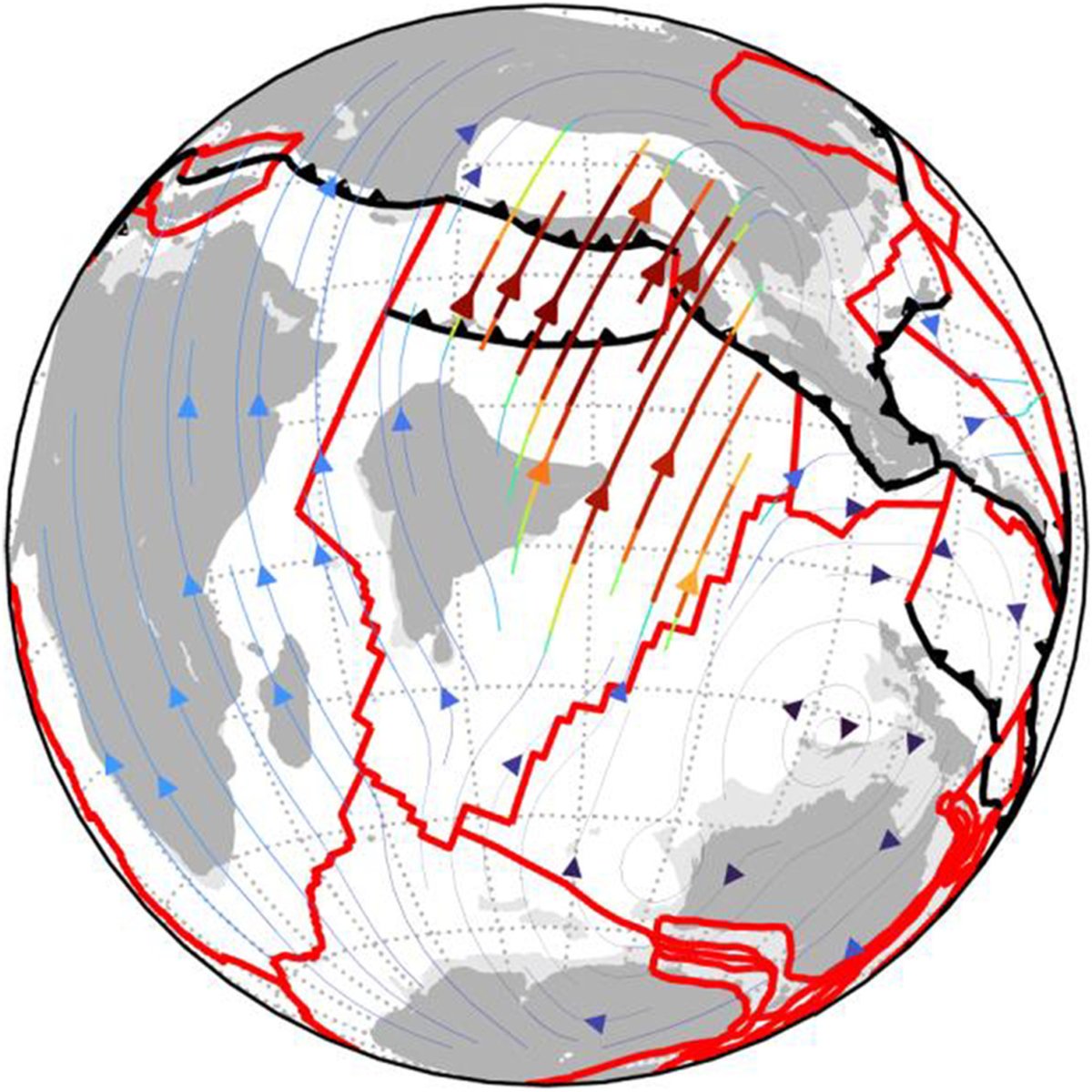
We end 2023 with the release of GPlately1.3, with a number of bugfixes and improvements. The cool functionality of GPlately includes generating gridded oceanic crustal ages and seafloor spreading rates from plate models with evolving plate boundaries – see example below using a plate model in a mantle reference frame. Happy holidays from the EarthByte … Read more…

Deep time spatio-temporal data analysis using pyGPlates with PlateTectonicTools and GPlately

Plate Models

PyGPlates is an open-source Python library to visualize and edit plate tectonic reconstructions created using GPlates. The Python API affords a greater level of flexibility than GPlates to interrogate plate reconstructions and integrate with other Python workflows. GPlately was created to accelerate spatio-temporal data analysis leveraging pyGPlates and PlateTectonicTools within a simplified Python interface. This … Read more…

GPlately1.0 released

GPlately

We have just released GPlately1.0 as a conda package. GPlately was created to accelerate spatio-temporal data analysis leveraging pyGPlates and PlateTectonicTools within a simplified Python interface. GPlately is a python package that enables the reconstruction of data through deep geologic time (points, lines, polygons and rasters), the interrogation of plate kinematic information (plate velocities, rates of subduction … Read more…