Coral reef trajectories: Altered disturbance regimes correspond with divergence toward ‘flattened’ and ‘algal-dominated’ reef states
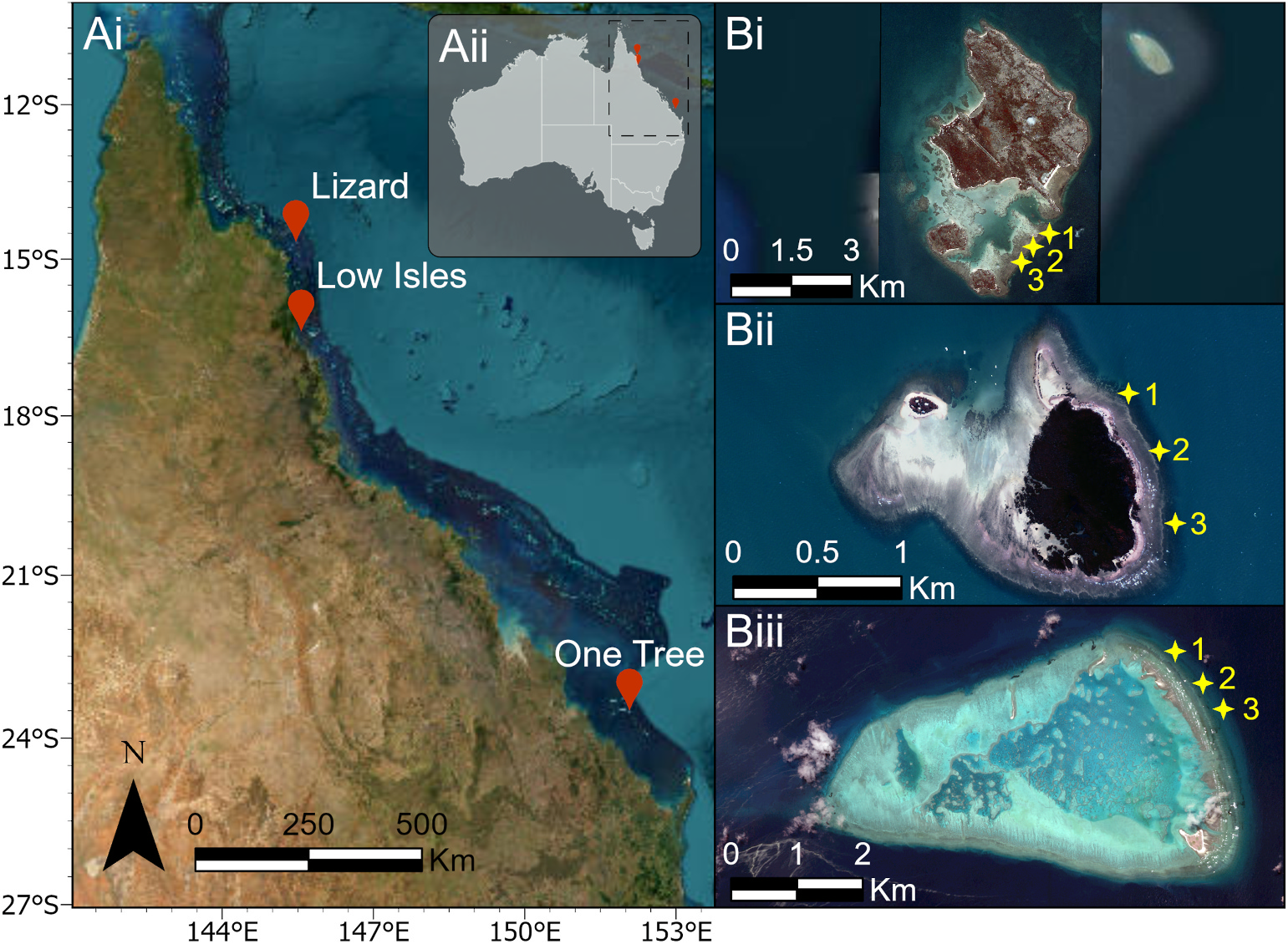
Map of Great Barrier Reef study locations with satellite images of Lizard, Low Isles and One Tree Reefs showing survey sites.

Coral reefs need enough living coral cover to support habitats, build carbonate structures and buffer waves, but it has been unclear exactly when reefs shift between healthy and degraded states, especially since different reefs have different baseline coral cover. This study tracked benthic cover from 1995 to 2022 at three Great Barrier Reef sites, indexing … Read more…
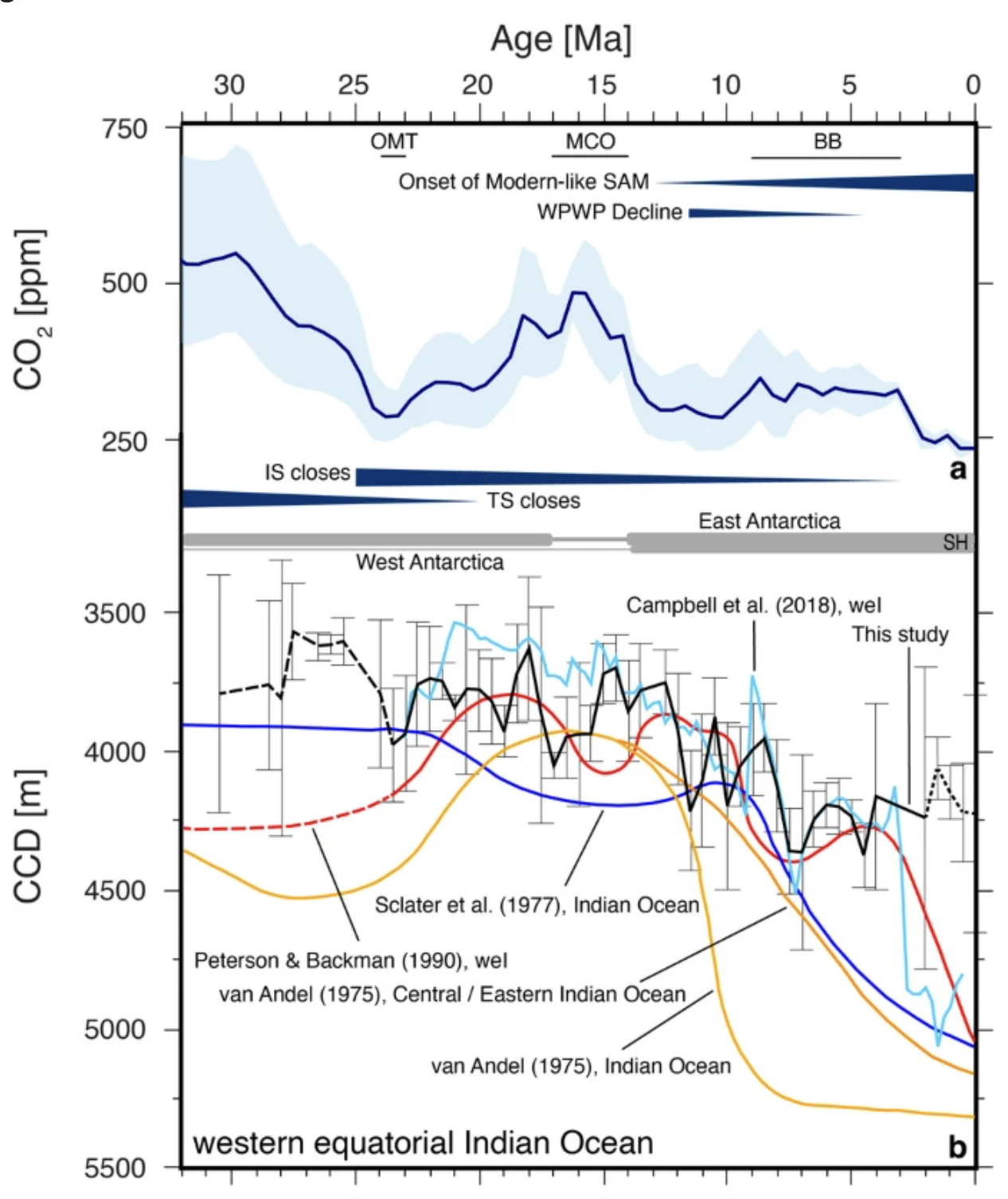
Indian Ocean carbonate compensation depth since the Late Oligocene

The carbonate compensation depth (CCD), defined as the depth in the ocean where the supply rate of pelagic carbonate is balanced by its dissolution, provides an important parameter for estimating the amount of calcium carbonate-bound carbon that is stored in deep-sea sediments. The CCD is reasonably well-constrained across the Atlantic and Pacific oceans; however, our … Read more…

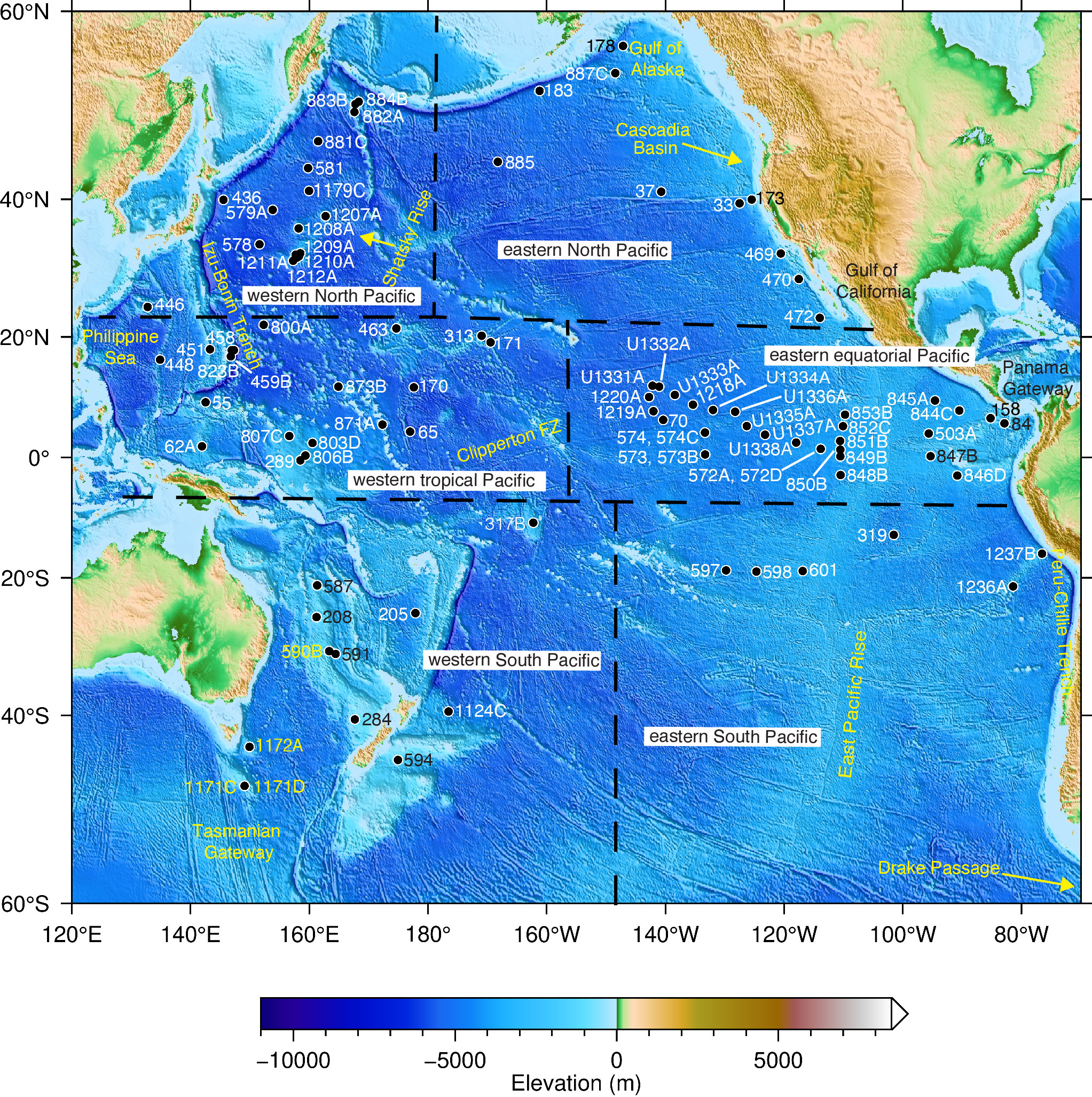
Regional Carbonate Compensation Depth variability in the Pacific Ocean since the Oligocene

Deep-sea carbonates constitute the primary deep carbon reservoir, playing a critical role in regulating the long-term global carbon cycle. Reconstructing the temporal evolution of carbonate flux to the seafloor requires estimating the changes in carbonate compensation depth (CCD), a key proxy, revealing the depth where the rate of calcium carbonate supply from biogenic ooze equals … Read more…

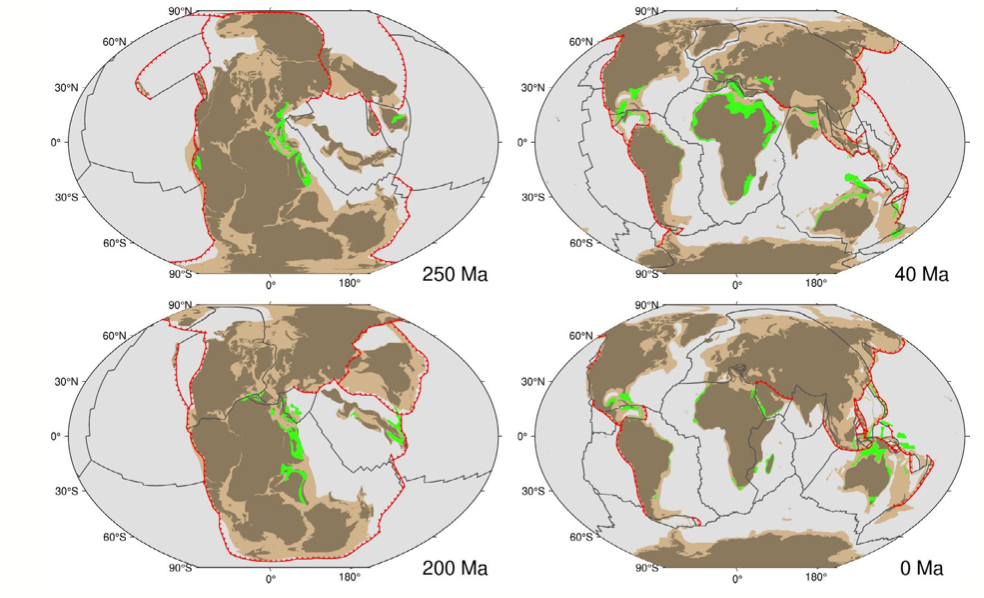
Geoscience Data Journal: Subduction and carbonate platform interactions

Plate tectonics, as the unifying theory in Earth sciences, controls the functioning of important planetary processes on geological timescales. Here, we present an open-source workflow that interrogates community digital plate tectonic reconstructions, primarily in the context of the planetary deep carbon cycle. We present an updated plate tectonic reconstruction covering the last 400 million years … Read more…