Impact of Cenozoic sea-level fluctuations on passive margin stratigraphic architecture: Implications for underground hydrogen storage potential
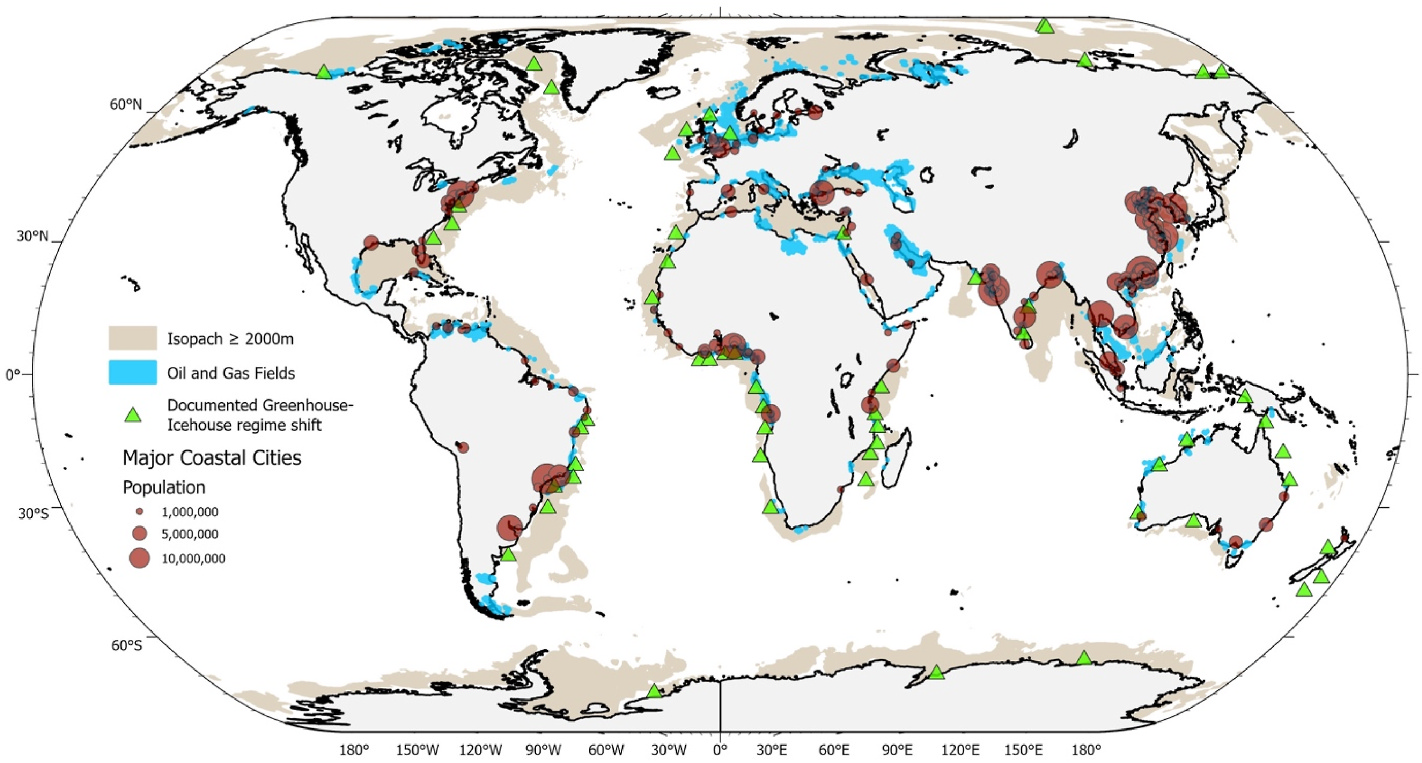
Global map showing passive margins with thick sedimentary successions and greenhouse–icehouse regime shifts relevant to hydrogen storage potential.

This study used forward stratigraphic modelling of the Hunter offshore margin in New South Wales to examine how Cenozoic sea-level changes shaped the layering of sediments on passive continental margins. The results show that warm 'greenhouse' periods produced thick, continuous sediment layers good for storing gases, while colder 'icehouse' periods produced thinner, stacked layers that … Read more…
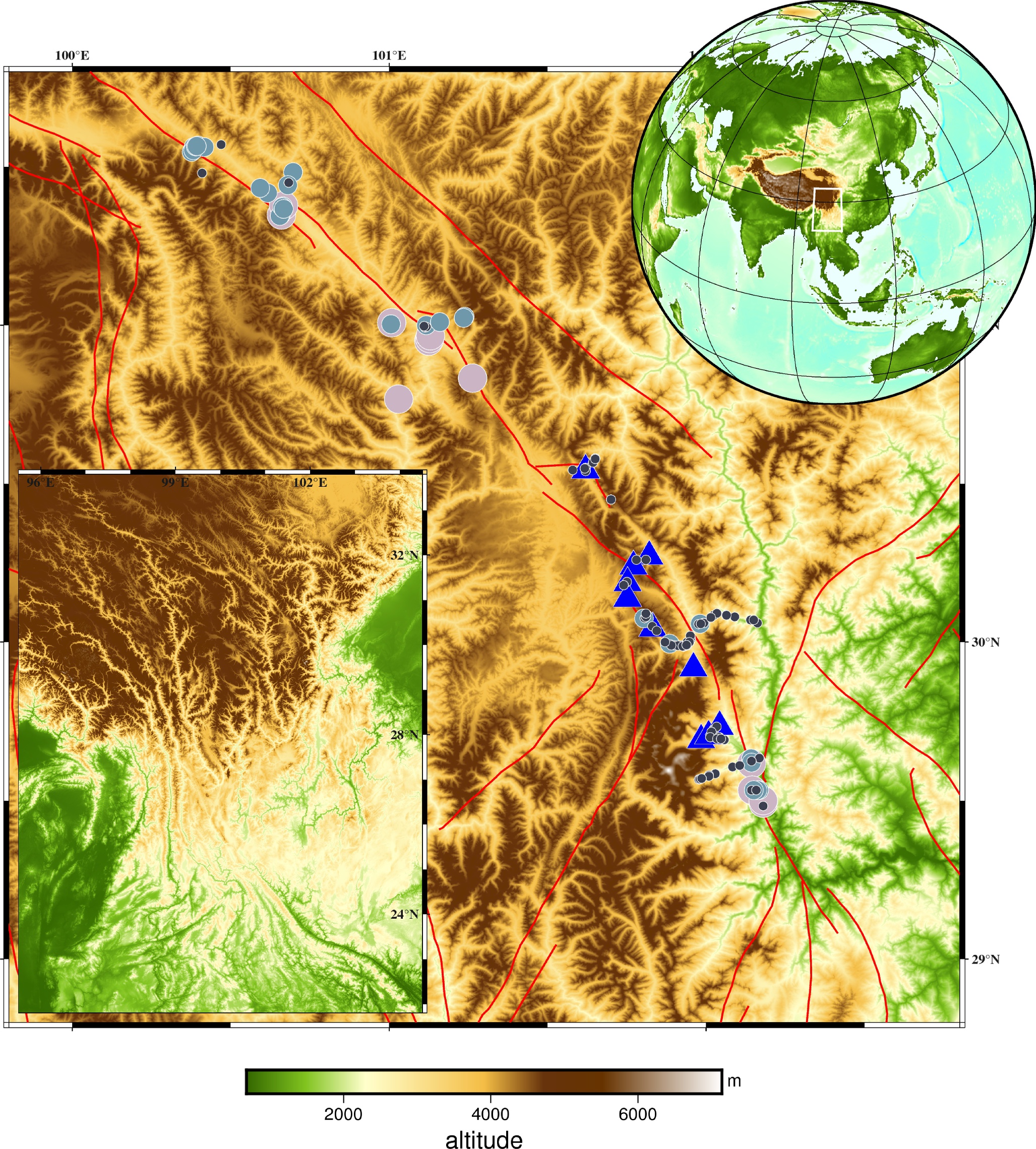
Eastward Growth of the Tibetan Plateau Linked to Cenozoic Orogenic Wedge Deformation and Fluctuating Melt Sources

Digital elevation map of the southeastern Tibetan Plateau showing sample locations and major faults.

Scientists studied granitoids from the Kangding area in the southeastern Tibetan Plateau, using new elemental and isotopic data, including the first silicon isotope measurements for these rocks, to trace how the plateau’s crust grew eastward over the last 35 million years. The granites fall into two groups, and one of them shows a temporary shift … Read more…

Coral thermal tolerances constrain extreme Mesozoic–Cenozoic hothouse reconstructions

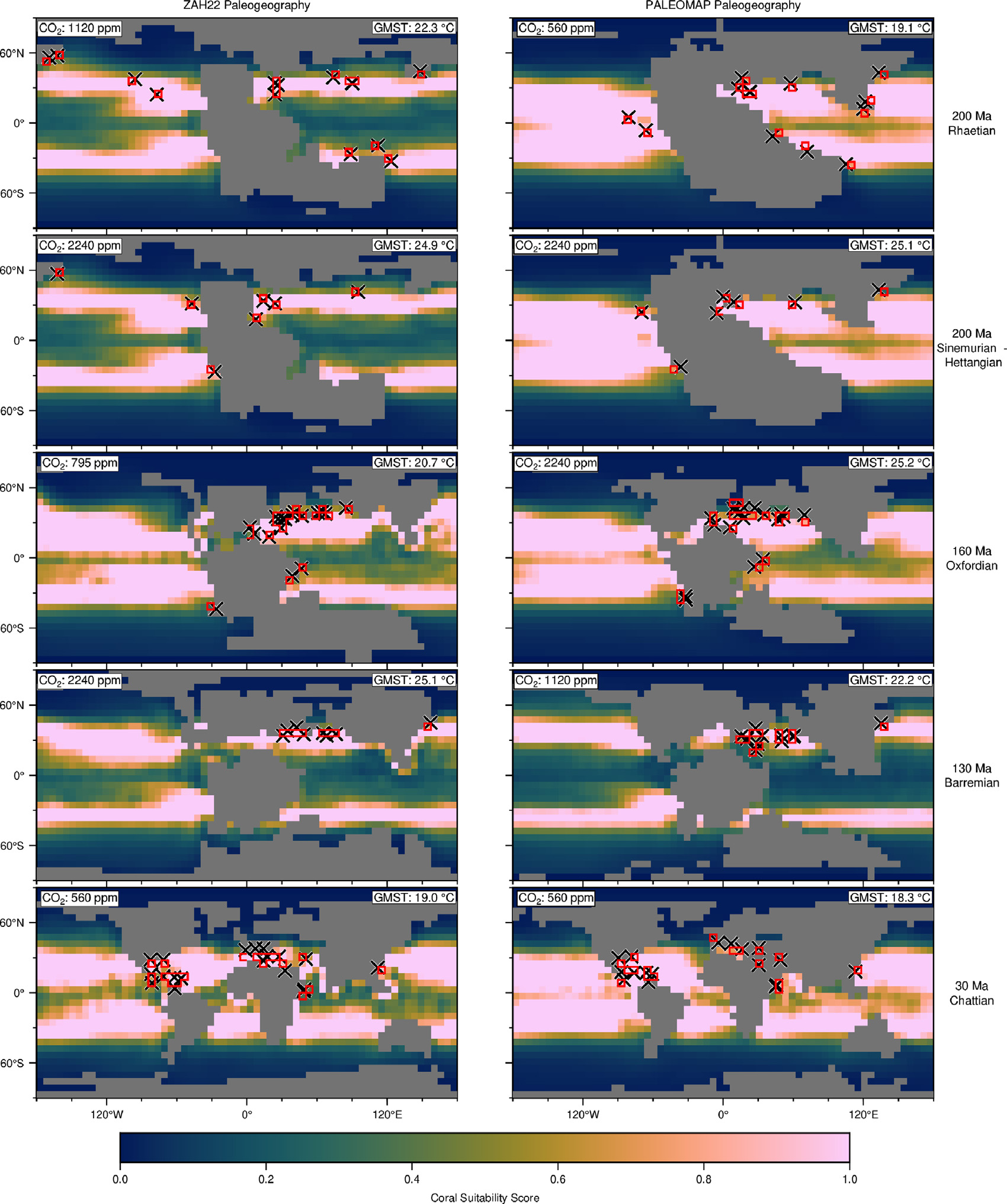
Maps comparing coral habitat suitability under two paleogeographic reconstructions, with fossil coral sites marked as crosses.

Modern reef-building corals only thrive within a narrow sea surface temperature range of about 22–30°C. The authors use this preference as an independent check on past climate models, running an ensemble of simulations from 250 million years ago to today across a range of CO2 levels and paleogeographies. Their coral-constrained temperature curve closely matches earlier … Read more…

Birth of the viru microplate triggered by Pacific-Farallon plate reorganization

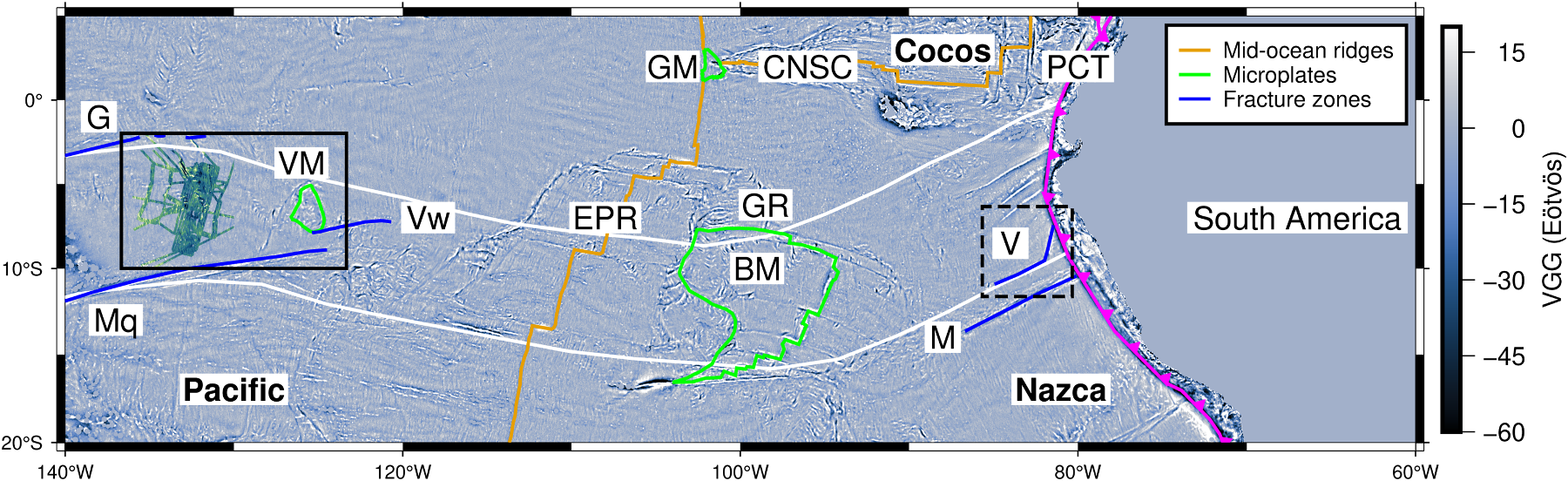
Satellite gravity map of the southeastern Pacific Ocean showing spreading ridges, fracture zones and the Viru Microplate study area.

The Viru Microplate study uses high-resolution satellite gravity data together with new shipboard bathymetry to reveal a previously unknown episode of chaotic seafloor spreading between 44 and 28 million years ago at the Pacific-Farallon plate boundary. This episode produced a newly identified microplate, named the Viru Microplate, along with ridge jumps and propagating spreading ridges. … Read more…

DeepMIP-Eocene-p2: Experimental design for Phase 2 of the early Eocene component of the CMIP7/PMIP7 Deep-time Model Intercomparison Project (DeepMIP-Eocene)

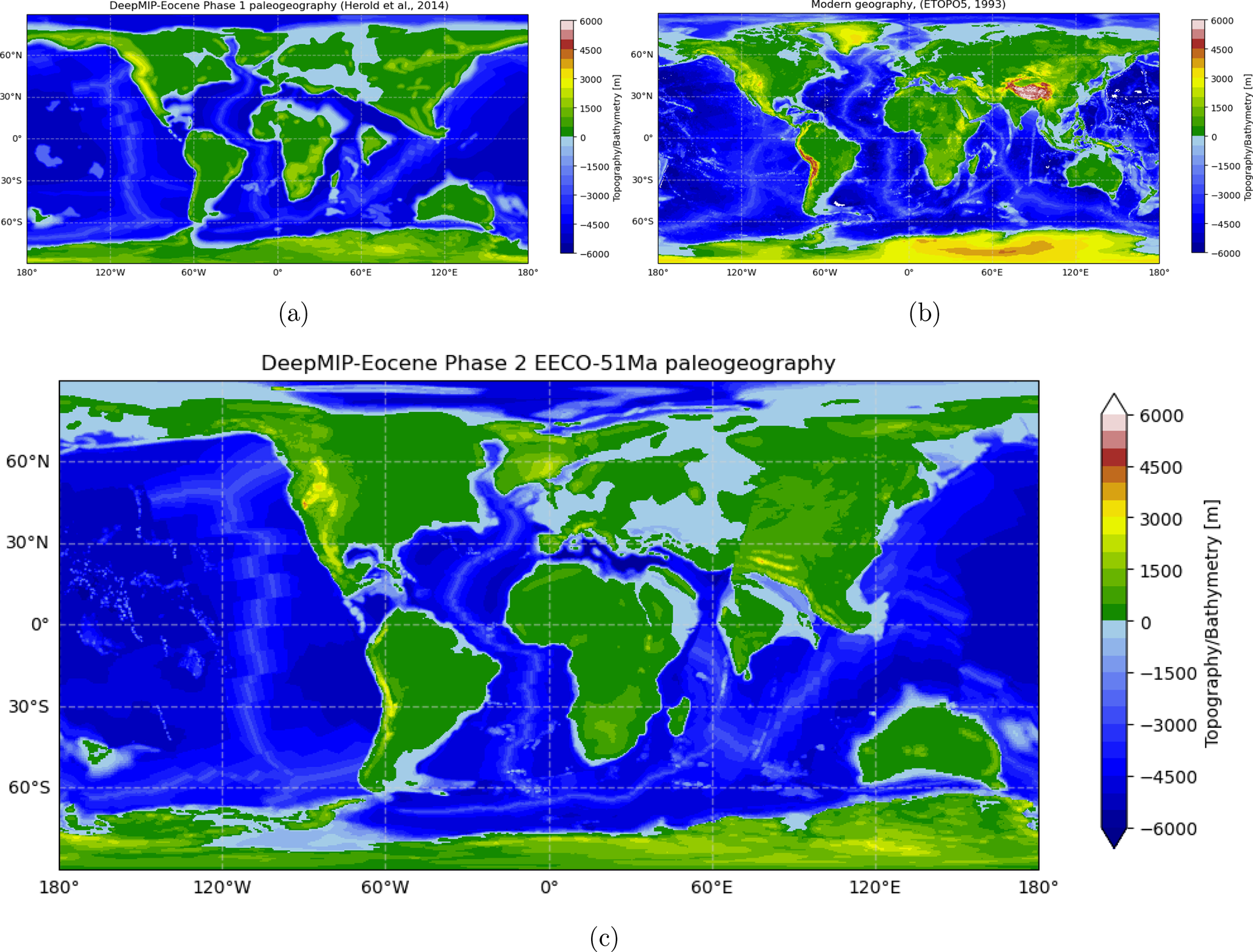
Maps comparing the Phase 1 (55 Ma), modern, and new Phase 2 (51 Ma) paleogeography reconstructions used in the DeepMIP-Eocene model experiments.

This paper outlines the experimental design for Phase 2 of DeepMIP-Eocene, a project that coordinates climate model simulations of the early Eocene, a period around 56–41 million years ago when global temperatures were far higher than today and carbon dioxide levels were much greater. The design updates the paleogeography, vegetation and carbon dioxide inputs used … Read more…

Regional Carbonate Compensation Depth variability in the Pacific Ocean since the Oligocene

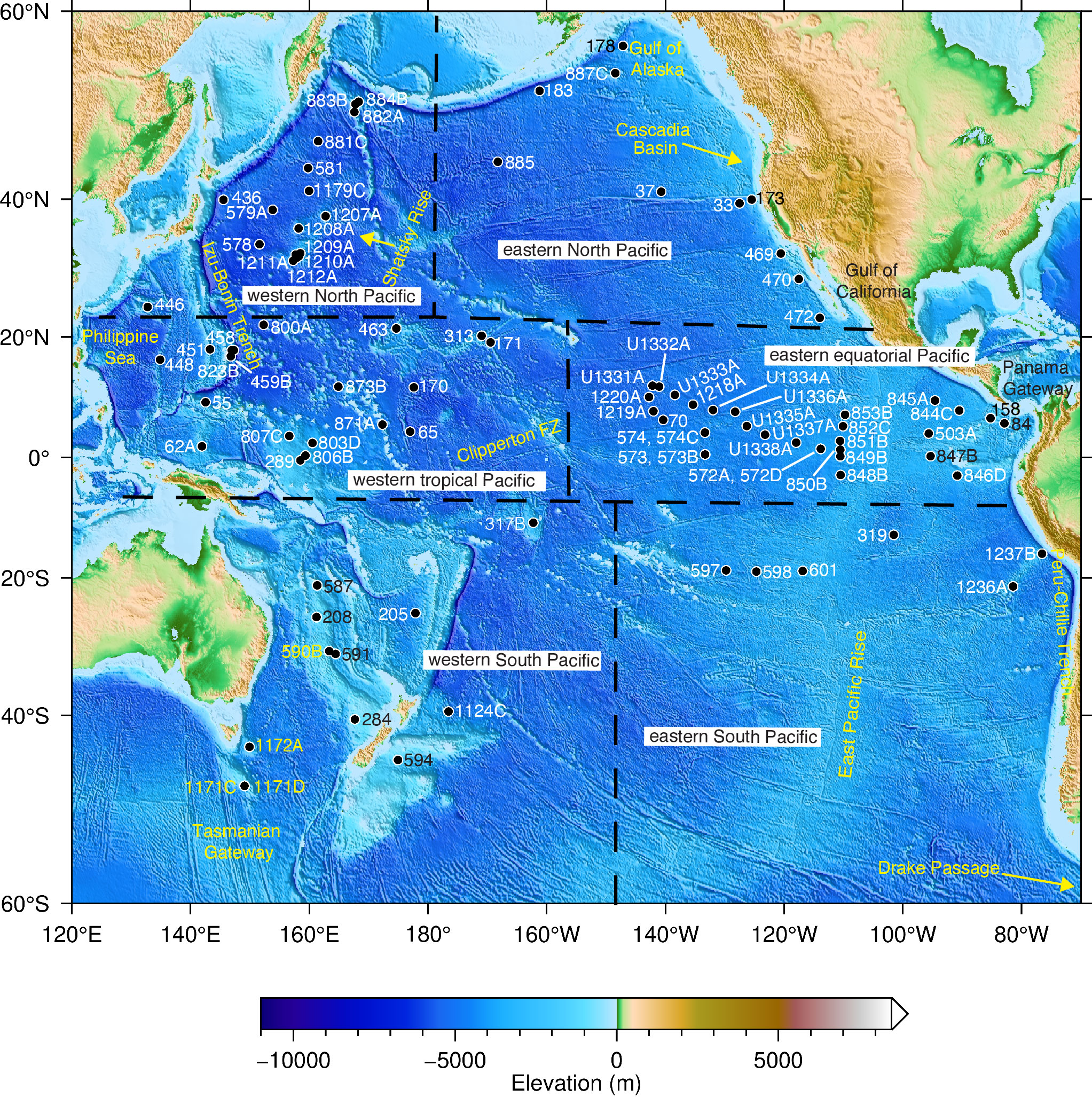
Deep-sea carbonates constitute the primary deep carbon reservoir, playing a critical role in regulating the long-term global carbon cycle. Reconstructing the temporal evolution of carbonate flux to the seafloor requires estimating the changes in carbonate compensation depth (CCD), a key proxy, revealing the depth where the rate of calcium carbonate supply from biogenic ooze equals … Read more…

Geology: Deep-sea hiatuses track the vigor of Cenozoic ocean bottom currents

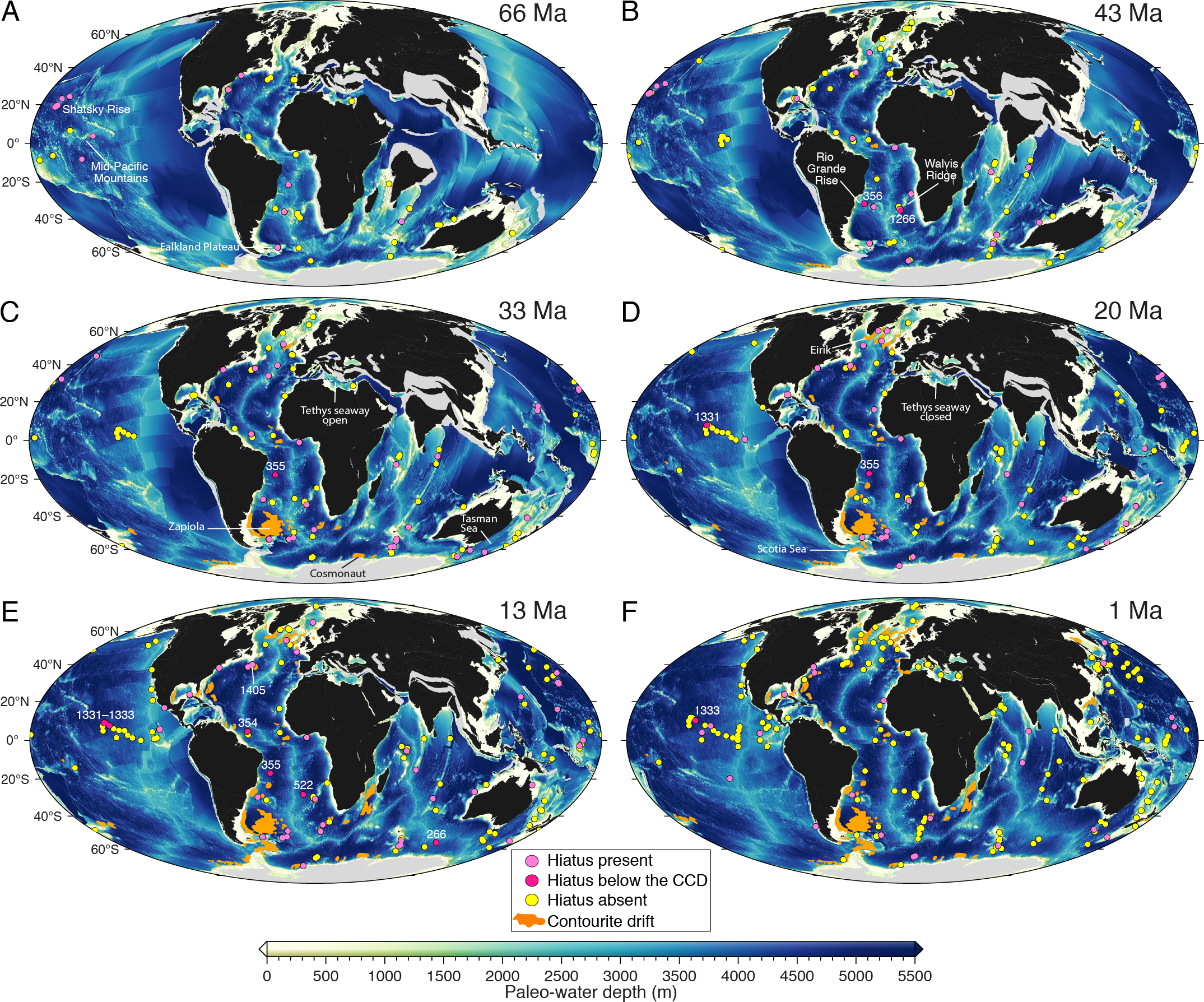
The deep-sea stratigraphic record is full of gaps. These hiatuses track changes in ocean circulation and chemistry, but determining their timing and causes has been limited by sparse data and incomplete knowledge of ocean gateway evolution in earlier studies. We combine a significantly expanded, age-calibrated deep-sea stratigraphic database with a global tectonic and paleo–water depth … Read more…