New open-source tutorial suite links GPlately with PyGMT
Logo for the GPlately + PyGMT tutorial suite.

EarthByte has released version 1.0 of an open-source tutorial suite, “Extending PyGMT into Deep Time via GPlately“, which combines GPlately’s plate-tectonic reconstructions with PyGMT’s publication-quality cartography. The AuScope-supported suite includes 80 Jupyter notebooks organised into 11 thematic learning clusters, with workflows ranging from a first paleogeographic map for undergraduates to research-grade applications. Topics covered include … Read more…

PyBacktrack1.5 released

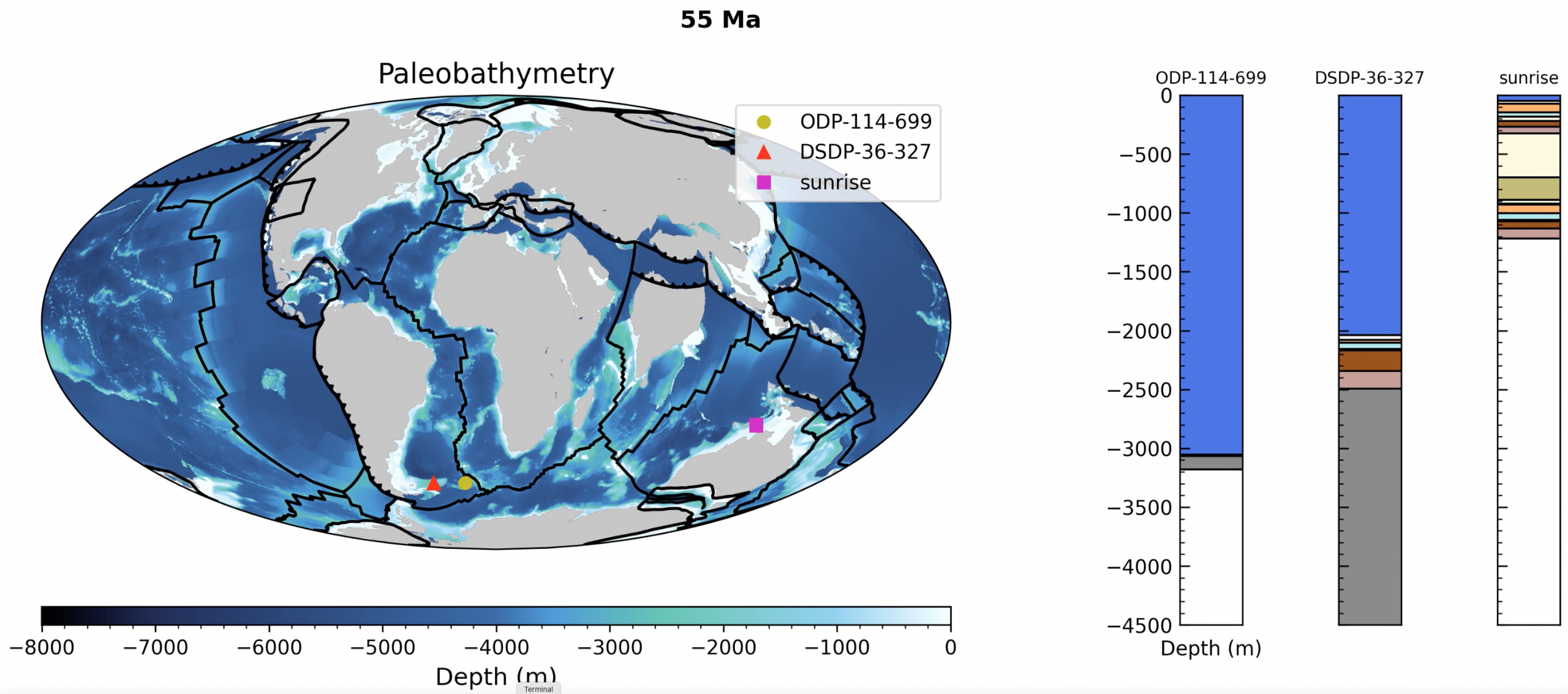
🚀 pyBacktrack 1.5 is now released! The new release makes pyBacktrack easier to install and expands its capabilities for backtracking, backstripping, paleobathymetry reconstruction, dynamic topography, sea-level modelling, and drill-site reconstructions. Users can now install pyBacktrack using: pip install pybacktrack conda install pybacktrack docker pull earthbyte/pybacktrack What’s new in pyBacktrack 1.5? The release adds conda installation … Read more…

GPlately1.3 released

GPlately

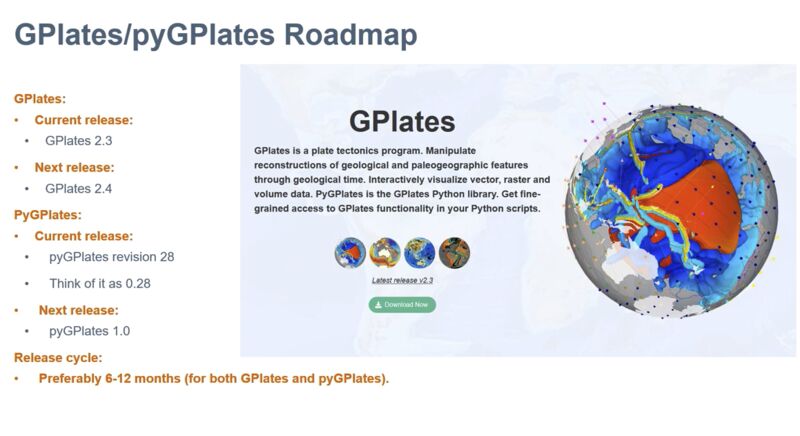
We end 2023 with the release of GPlately1.3, with a number of bugfixes and improvements. The cool functionality of GPlately includes generating gridded oceanic crustal ages and seafloor spreading rates from plate models with evolving plate boundaries – see example below using a plate model in a mantle reference frame. Happy holidays from the EarthByte … Read more…

Groundwater ‘superhighway’ modelled along Australia’s east coast

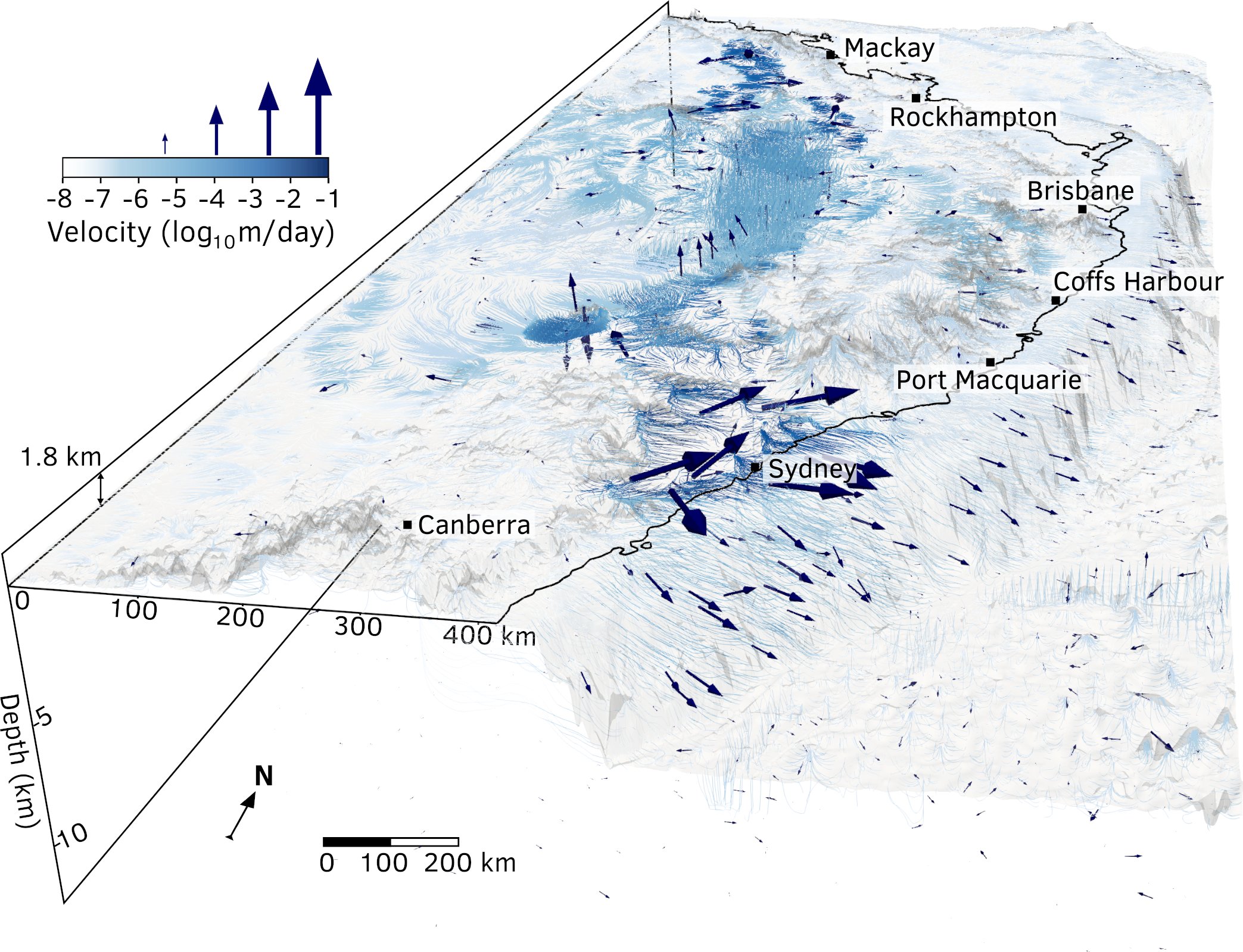
When floodwaters recede, where do they go? By Loren Smith University of Sydney researchers have modelled water-storing aquifers that perform a natural balancing act: they absorb water during floods and supply water during drought. Yet human intervention is limiting their function. University of Sydney researchers have identified a groundwater ‘superhighway’ along Australia’s east coast. Stretching from … Read more…