New open-source tutorial suite links GPlately with PyGMT

Logo for the GPlately + PyGMT tutorial suite.

EarthByte has released version 1.0 of an open-source tutorial suite, “Extending PyGMT into Deep Time via GPlately“, which combines GPlately’s plate-tectonic reconstructions with PyGMT’s publication-quality cartography. The AuScope-supported suite includes 80 Jupyter notebooks organised into 11 thematic learning clusters, with workflows ranging from a first paleogeographic map for undergraduates to research-grade applications. Topics covered include … Read more…

GPlately 2.0.0 Released

GPlately

We are excited to announce the release of GPlately 2.0.0, a major update that brings significant improvements and new features, offering a significantly better programming experience and marking a major step forward in the evolution of the platform.  This release introduces a completely redesigned online documentation, providing users with a much more intuitive and enjoyable reading experience. … Read more…

Machine Learning-Based Spatio-Temporal Prospectivity Modeling of Porphyry Systems in the New Guinea and Solomon Islands Region

Abstract. The discovery of new economic copper deposits is critical for the development of renewable energy infrastructure and zero-emissions transport. The majority of existing copper mines are located within current or extinct continental arc systems, but our understanding of the tectonic and geodynamic conditions favoring the formation of porphyry systems is still incomplete. Traditionally, exploration … Read more…

GPlately1.3 released

GPlately

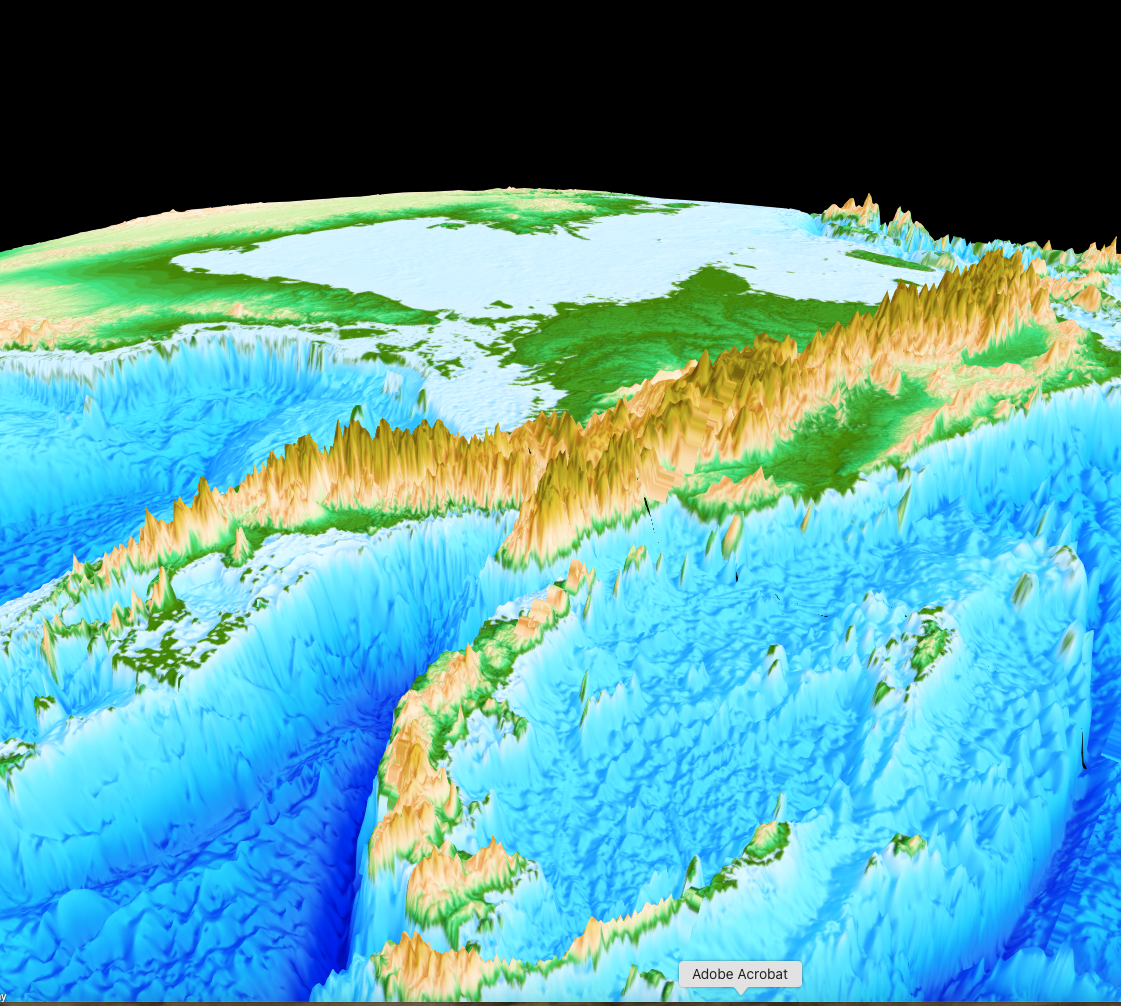
We end 2023 with the release of GPlately1.3, with a number of bugfixes and improvements. The cool functionality of GPlately includes generating gridded oceanic crustal ages and seafloor spreading rates from plate models with evolving plate boundaries – see example below using a plate model in a mantle reference frame. Happy holidays from the EarthByte … Read more…