Influence of secular cooling on core-mantle boundary heat flux and mantle plume temperature over 1.8 billion years
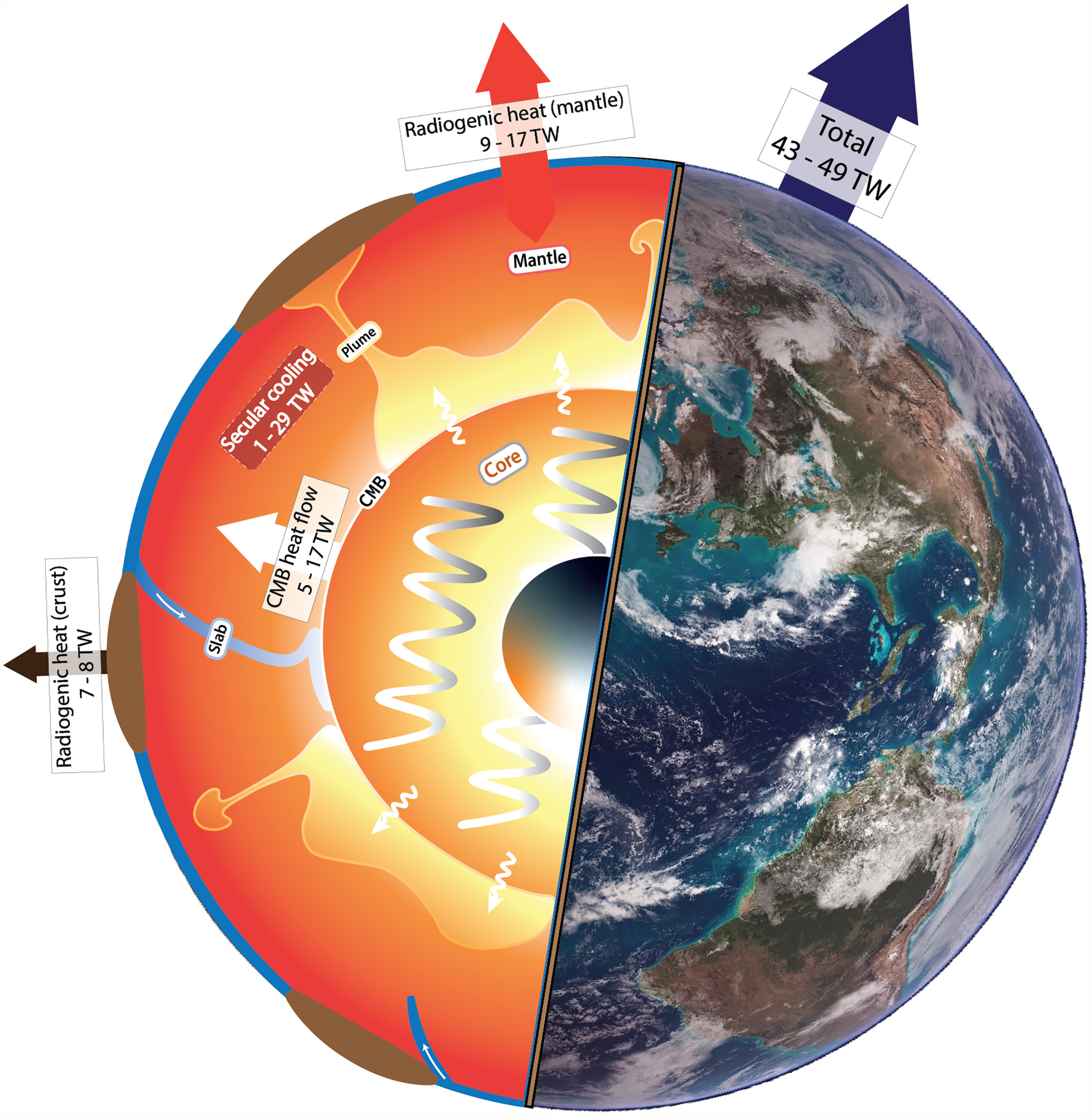
Figure 1 from Zhang et al. (2026)

Researchers modelled global mantle flow over the past 1.8 billion years, incorporating the gradual cooling of Earth’s core and the decay of radiogenic heat sources through time. They found that this long-term cooling reduces both the heat flowing out of the core and the temperature of mantle plumes, at rates consistent with independent geological evidence. … Read more…
Sydney geoscientist explains the hidden force behind the Tasman Sea’s twin volcano chains in The Conversation

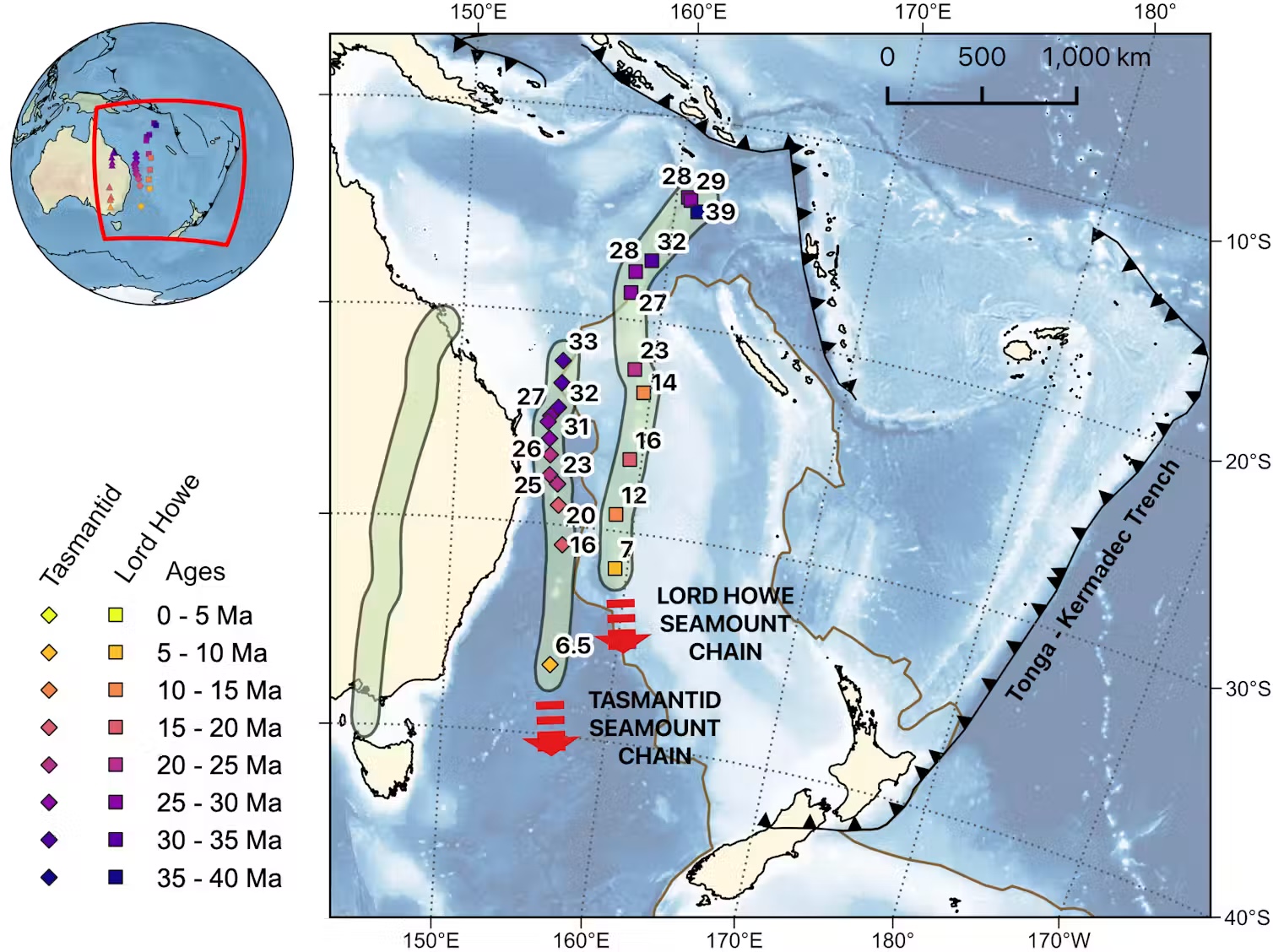
Congratulations to Associate Professor Maria Seton from the School of Geosciences. Her research on the origins of two underwater volcano chains in the Tasman Sea is featured in The Conversation. In the article, published on 18 September 2026, Associate Professor Seton and co-author Dr Ben Mather (ARC Early Career Industry Fellow, University of Melbourne) explain … Read more…

Parallel volcanic chains generated by plume-slab interaction

Figure from Mather et al. (2026)

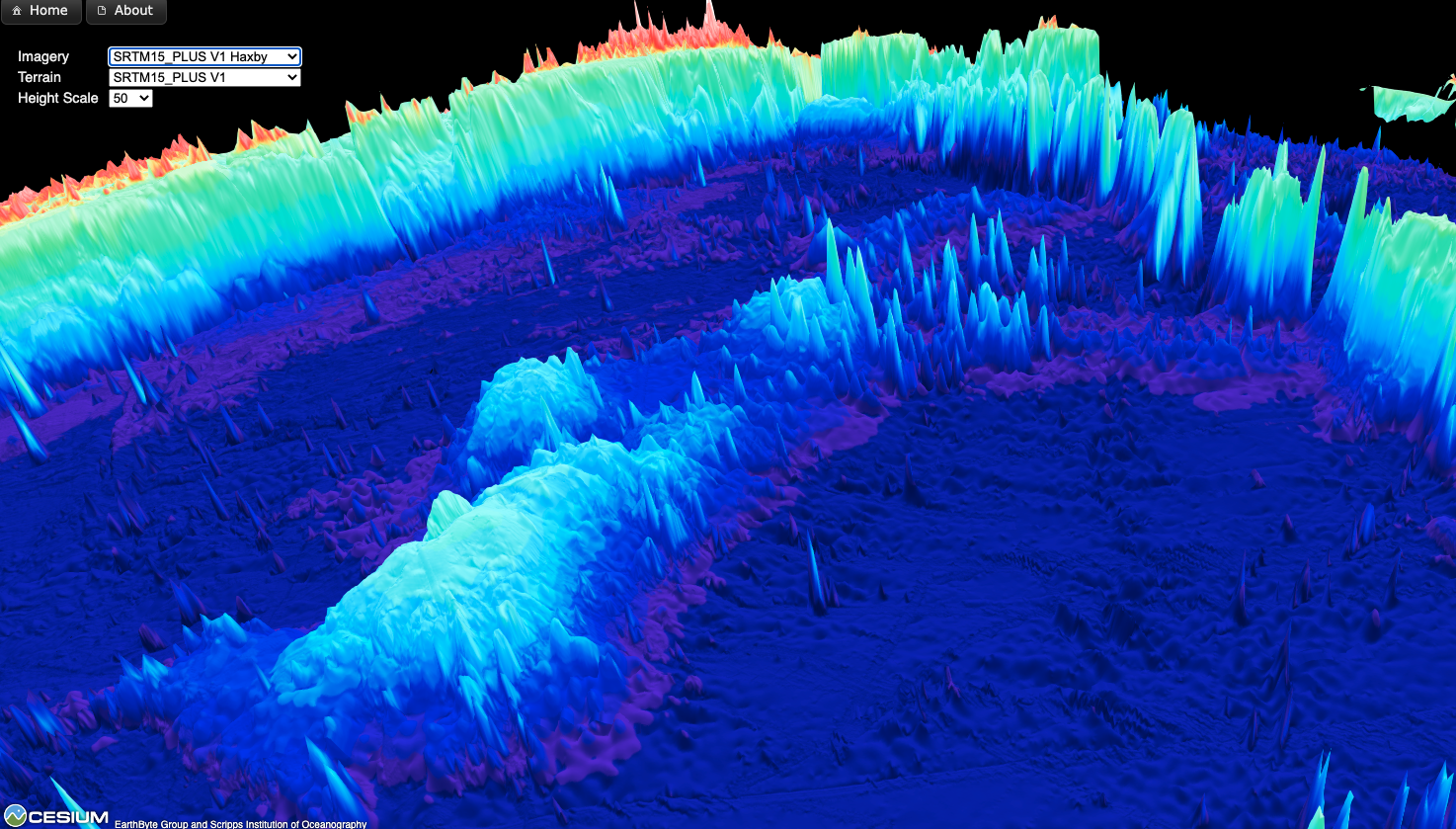
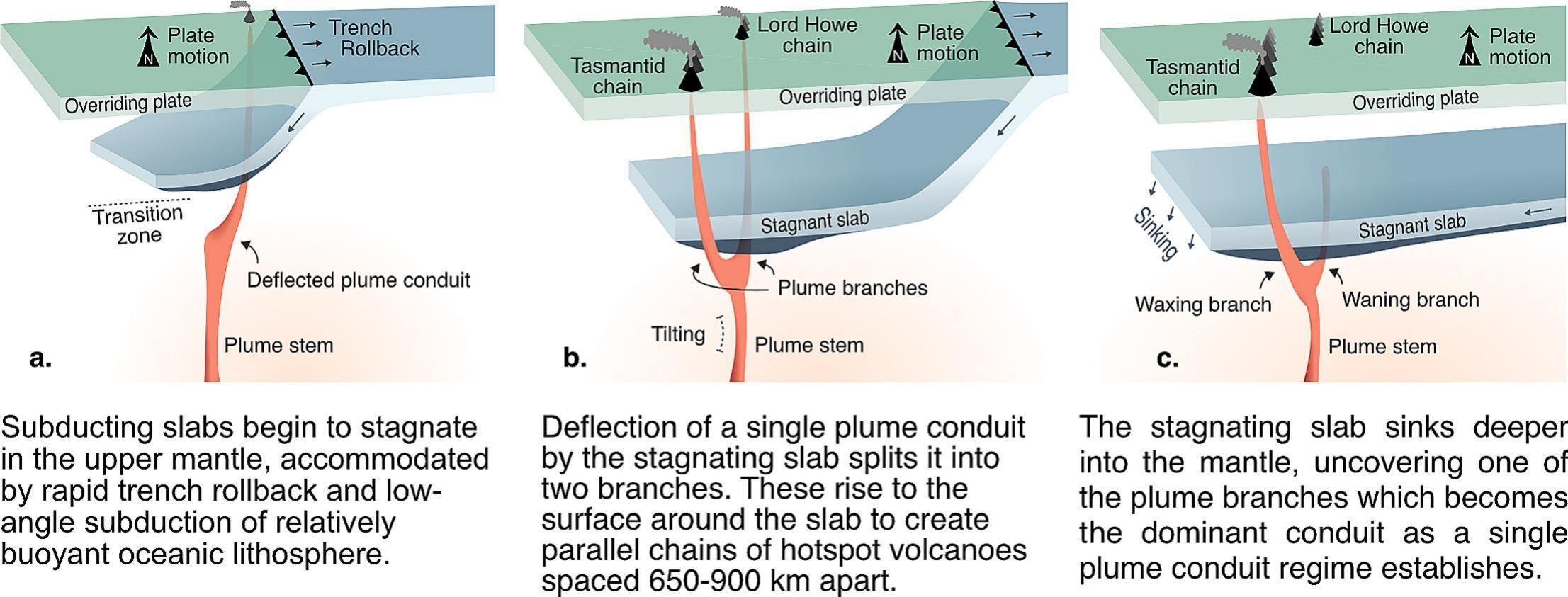
Using a 3D numerical model of mantle convection, the authors show how a single deep mantle plume can be split into two long-lived branches by a stagnating slab in the upper mantle, producing parallel volcanic chains. This explains why the Lord Howe and Tasmantid seamount chains in the SW Pacific have stayed 650–900 km apart … Read more…

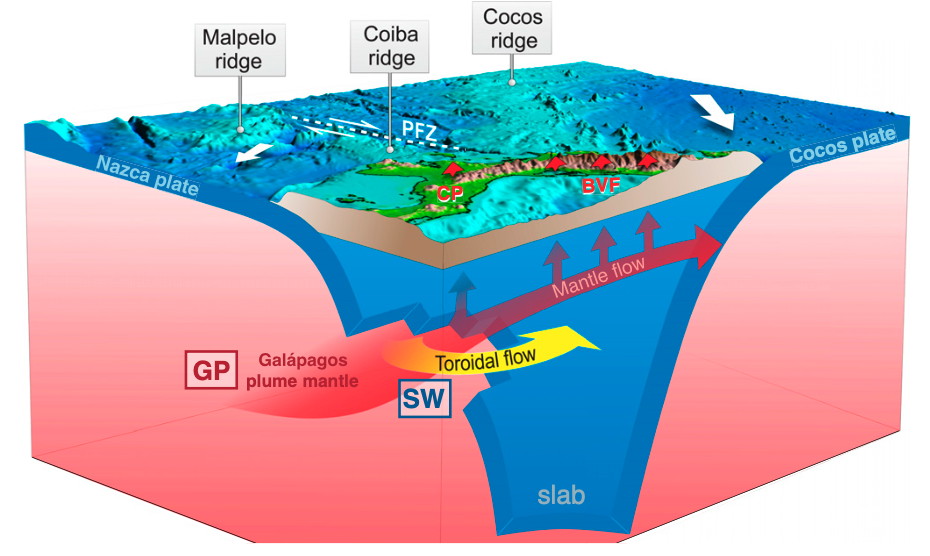
PNAS: High 3He/4He in central Panama reveals a distal connection to the Galapagos plume

Significance We report the discovery of anomalously high 3He/4He in “cold” geothermal fluids of central Panama, far from any active volcanoes. Combined with independent constraints from lava geochemistry, mantle source geochemical anomalies in Central America require a Galapagos plume contribution that is not derived from hotspot track recycling. Instead, these signals likely originate from large-scale … Read more…

G-Cubed: Papanin Ridge and Ojin Rise Seamounts (Northwest Pacific): Dual Hotspot Tracks Formed by the Shatsky Plume

The origin of Shatsky Rise, a large igneous plateau in the NW Pacific, has long been debated. It could have either formed by shallow mantle melting due to its confirmed creation along a mid-ocean ridge or with additional contribution of deeper mantle material that upwelled as so-called mantle plume beneath the spreading ridge (“plume-ridge interaction”). … Read more…

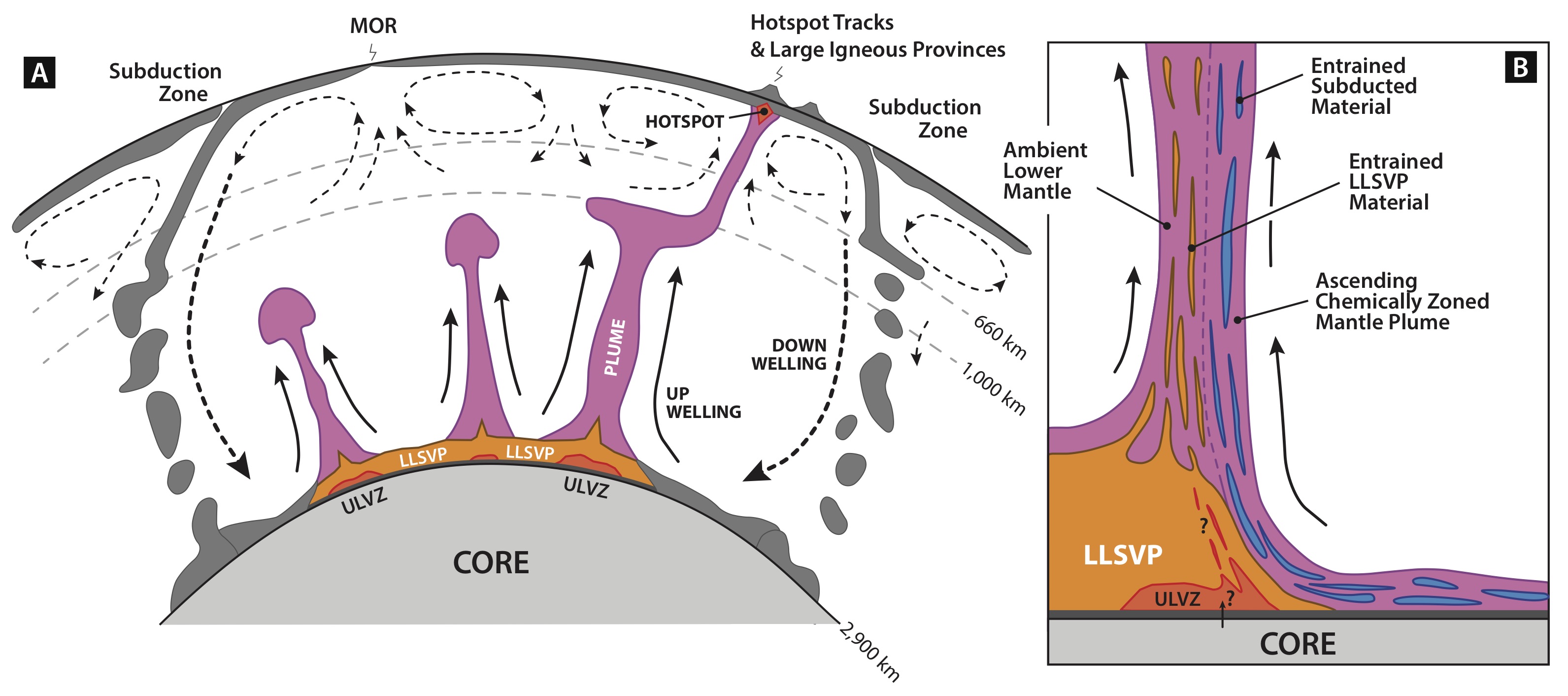
Mantle plumes and their role in Earth processes

The existence of mantle plumes was first proposed in the 1970s to explain intra-plate, hotspot volcanism, yet owing to difficulties in resolving mantle upwellings with geophysical images and discrepancies in interpretations of geochemical and geochronological data, the origin, dynamics and composition of plumes and their links to plate tectonics are still contested. In a recently … Read more…