Dr Adriana Dutkiewicz wins GSA Lee Allison Award
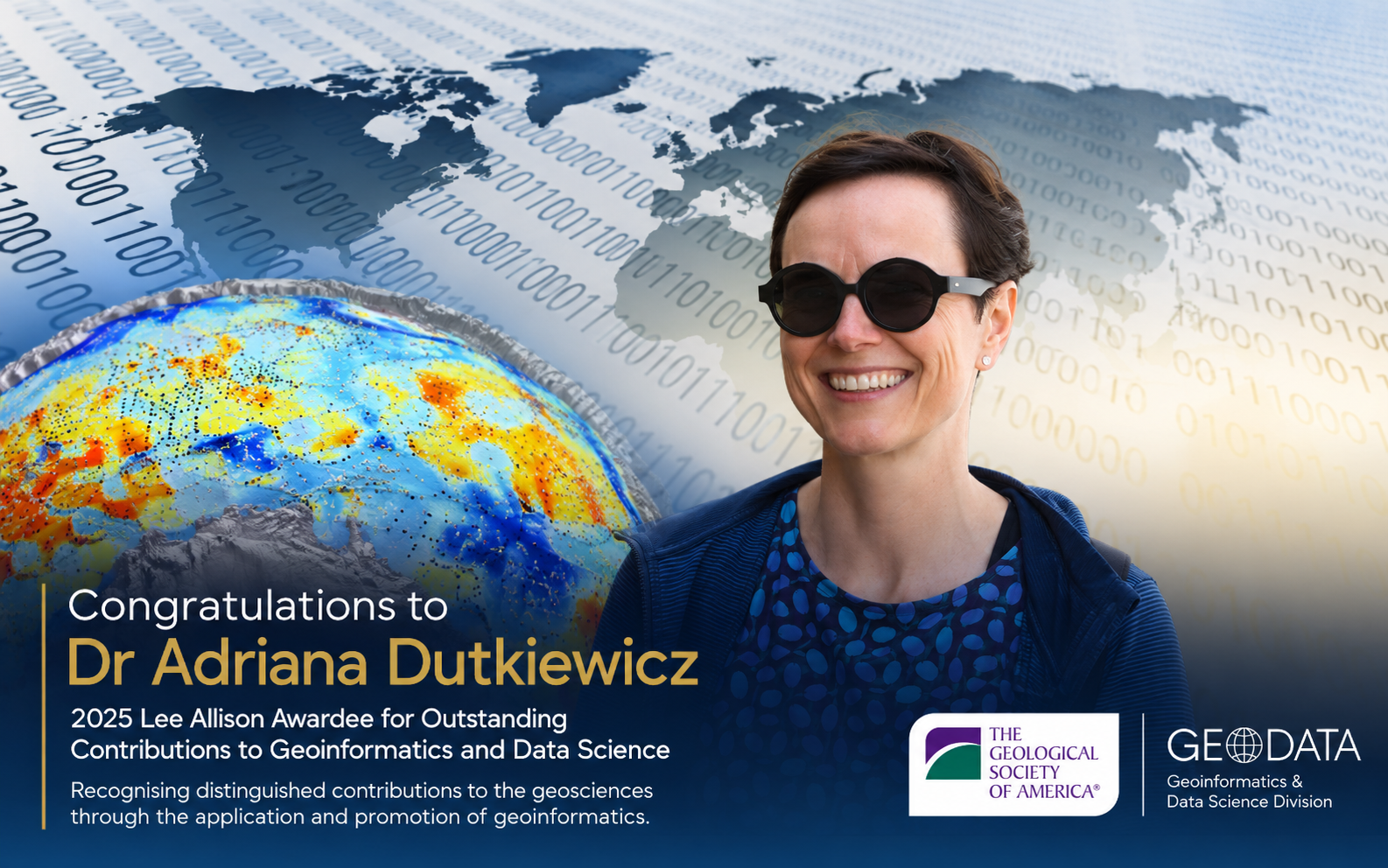
Dr Adriana Dutkiewicz, winner of the 2025 Lee Allison Award from the Geological Society of America's Geoinformatics and Data Science Division.

Congratulations to Dr Adriana Dutkiewicz, who has been awarded the Lee Allison Award for Outstanding Contributions to Geoinformatics and Data Science by the Geological Society of America Geoinformatics and Data Science Division. This annual award recognises distinguished contributions to the geosciences through the application and promotion of geoinformatics. Adriana's work has helped transform how large, … Read more…
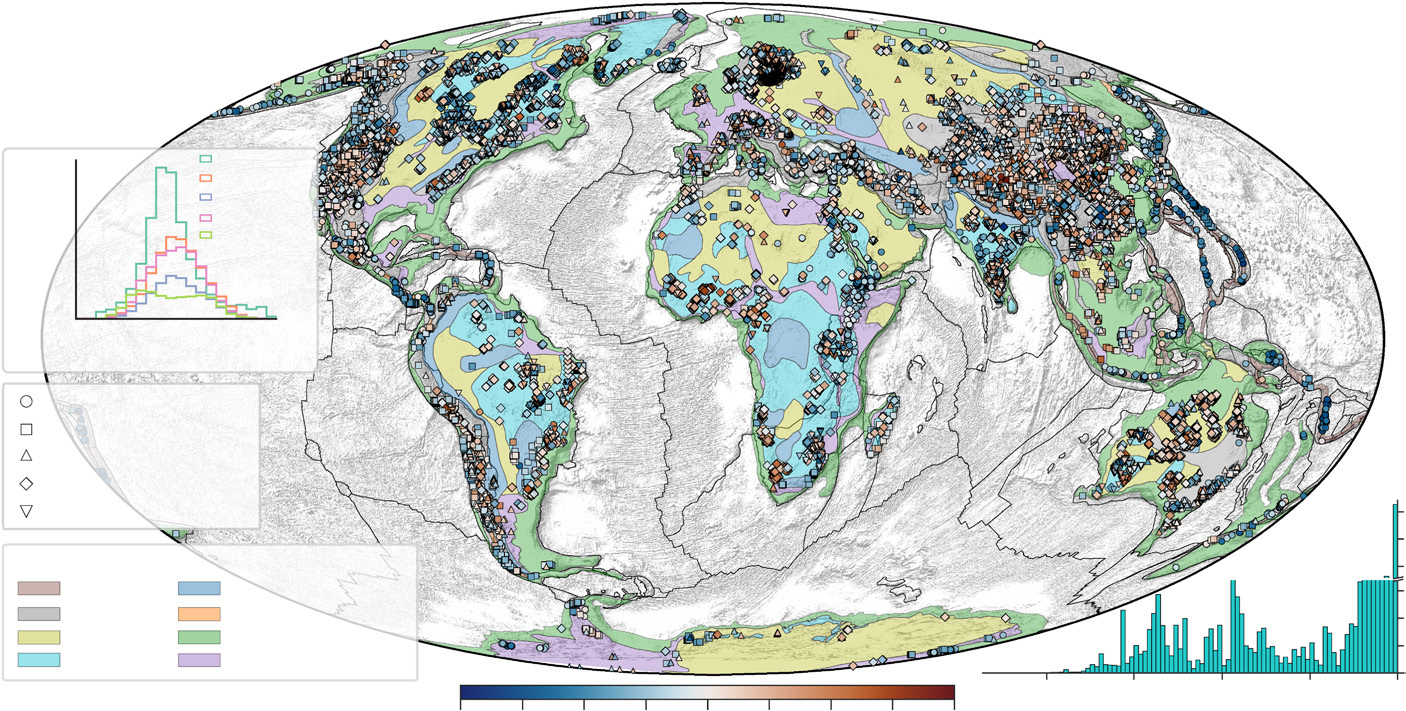
Recurrent super highlands since 2.1 Ga reveal rhythmic coupling between deep Earth and surface evolution

Figure from Zhou et al. (2026)

Researchers reconstructed global continental elevation over the past 4 billion years by combining a huge dataset of igneous rock chemistry with machine-learning estimates of crustal thickness and isostatic modelling. They found that continents stayed mostly submerged through much of the Archean, then began repeatedly building Tibetan-scale “super highlands” from about 2.1 billion years ago onward, … Read more…

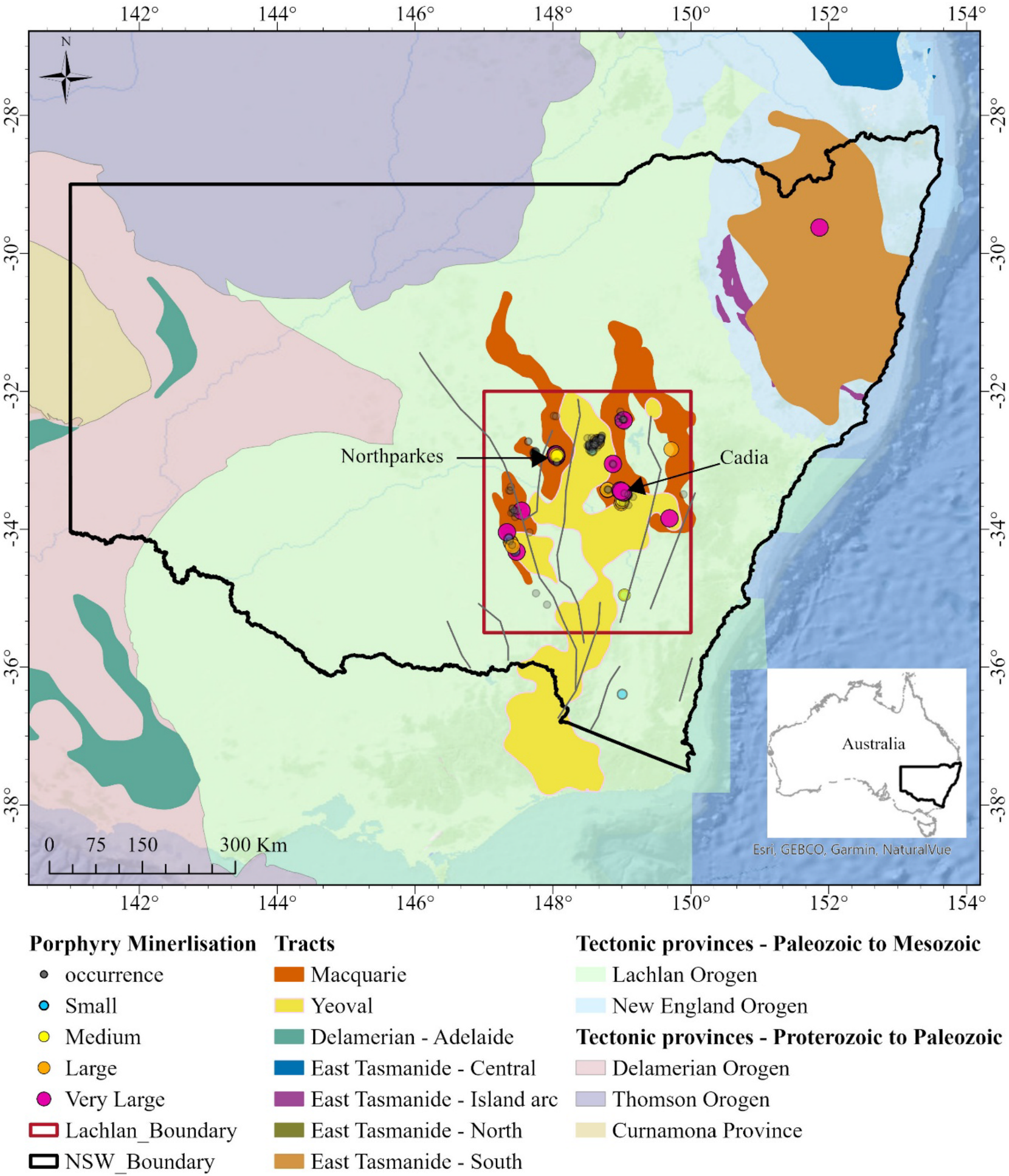
Machine learning framework for prospectivity mapping of Cu–Au porphyry mineralisation in the Lachlan Fold Belt, eastern Australia

Map of NSW showing tectonic provinces, porphyry tracts, and major porphyry deposits including Northparkes and Cadia.

Researchers developed a machine learning framework to predict where copper–gold porphyry deposits are likely to occur in the Lachlan Fold Belt of New South Wales, Australia. By combining geological, geophysical and remote sensing data with a positive-unlabelled bagging and random forest approach, the model successfully captures 95% of known mineral occurrences within just 5% of … Read more…

Enhancing reproducibility in hybrid Earth system models

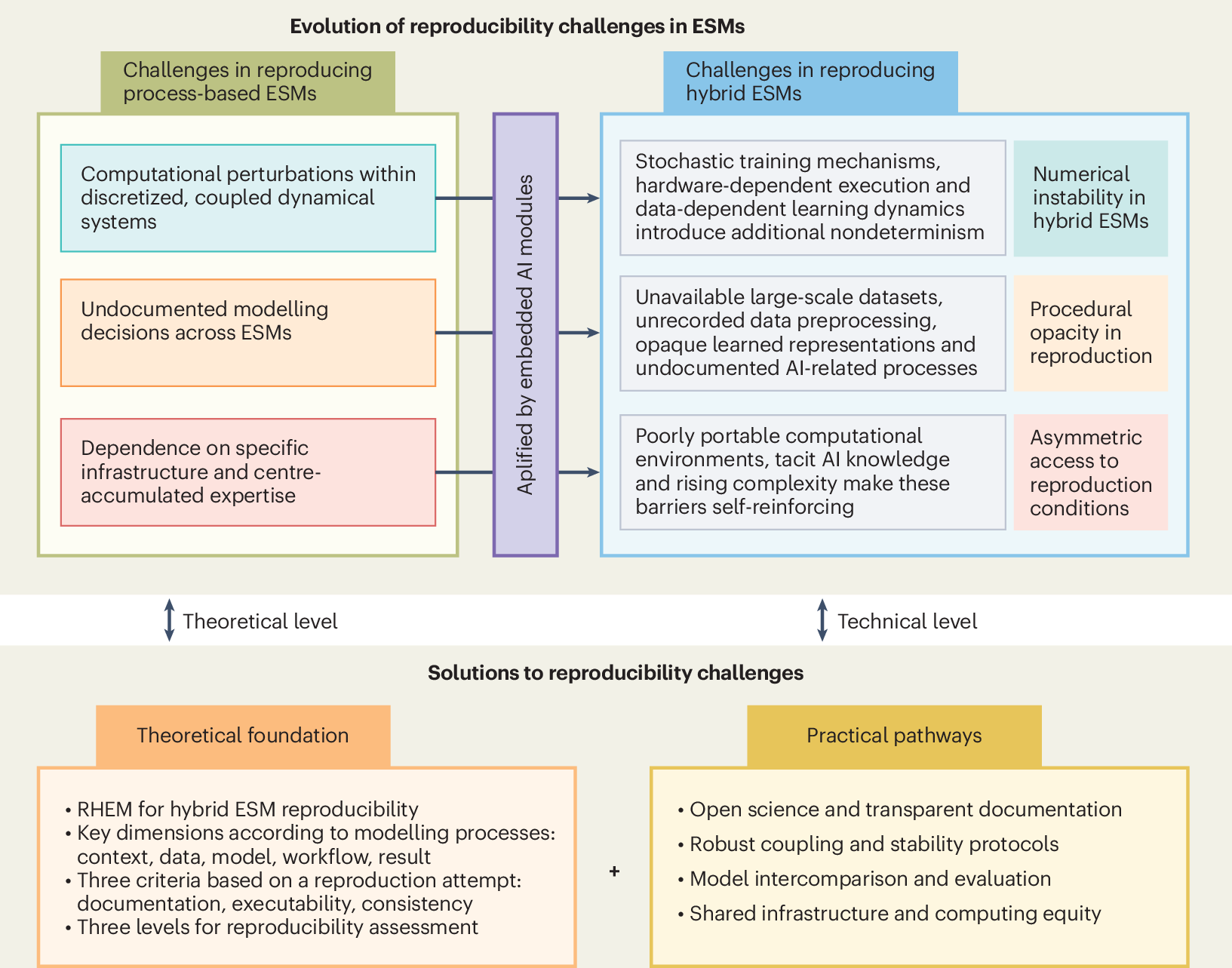
Diagram showing how reproducibility challenges in Earth system models have evolved from process-based frameworks to AI-integrated hybrid systems.

This Perspective argues that as artificial intelligence is increasingly built into Earth system models, reproducibility needs to be rethought to match how these hybrid models actually work. The authors highlight risks such as numerical instability, opaque procedures and unequal access to computing power, which can undermine trust and traceability in climate research. They propose a … Read more…

OK computer: AI reaches human-level accuracy in fission track counting in apatite and mica

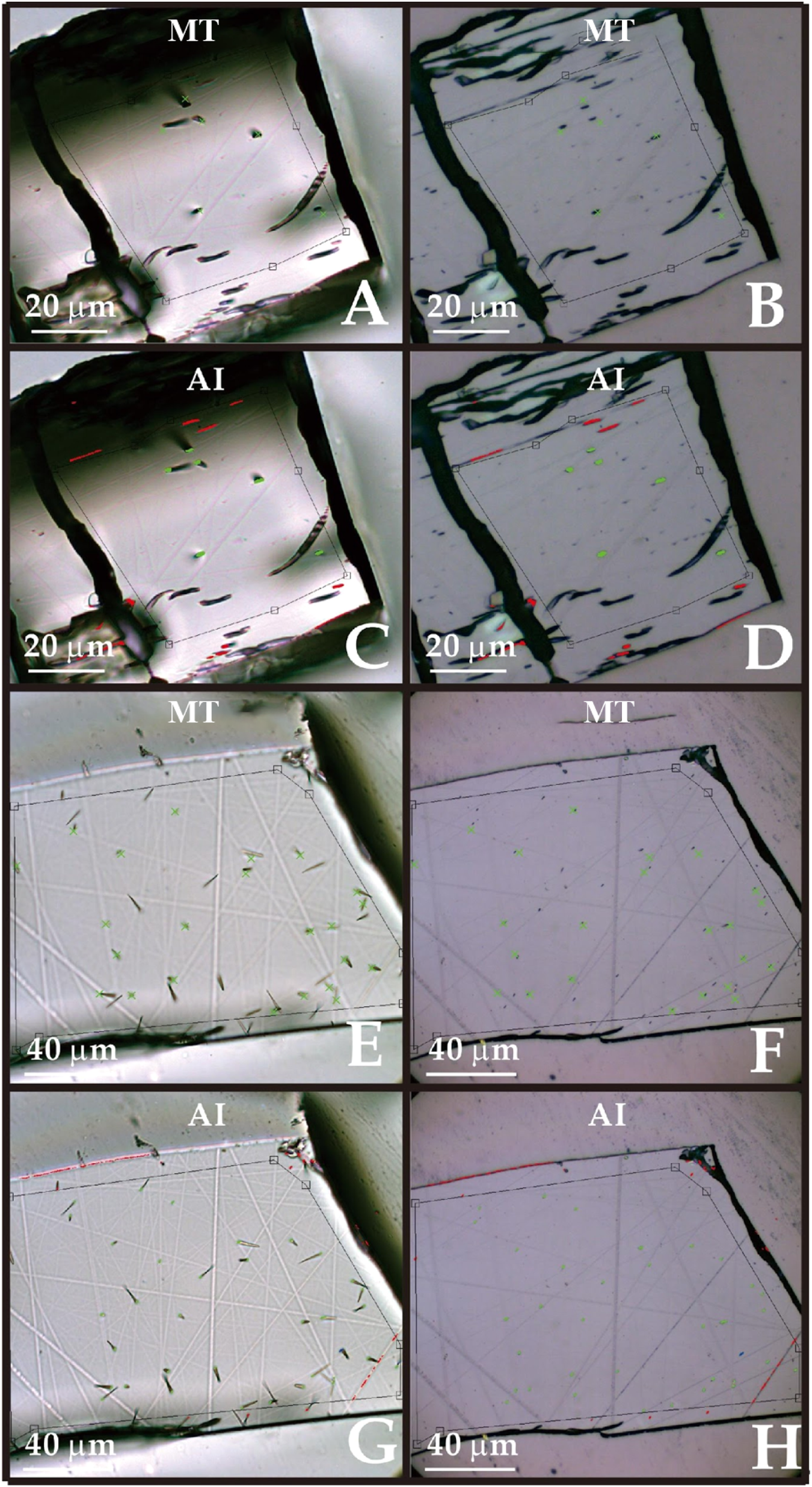
Microscope images comparing human- and AI-identified fission tracks in two apatite grains with differing counting accuracy.

Researchers compared fission track counts made by a trained AI system (HALtracks 2D) with those of an expert human analyst using identical microscope images of apatite and mica samples. The AI matched human counts closely on clean, simple grains and performed comparably to the average expert even on more complex samples, though both struggled with … Read more…

DEEP-SEAM: an explainable semi-supervised deep learning framework for mineral prospectivity mapping

Abstract. The global transition to clean energy is sharply increasing demand for rare earth elements (REEs), yet discovery rates are declining, especially in areas concealed by younger cover. Deep learning (DL) offers new opportunities for mineral prospectivity mapping (MPM), but its application is challenged by sparse labelled mineral occurrences, strong class imbalance, and limited model … Read more…


Predicting the preservation of buried ore deposits using deep-­ time landscape evolution modeling

    Porphyry copper discoveries are declining despite rising demand to meet net-zero targets, highlighting the need for innovative exploration strategies. While many advances have focused on ore formation at depth, a major challenge remains in understanding how erosion and uplift over millions of years affect deposit preservation. These post-mineralisation processes determine whether porphyry systems … Read more…

Subducting seafloor anomalies promote porphyry copper formation

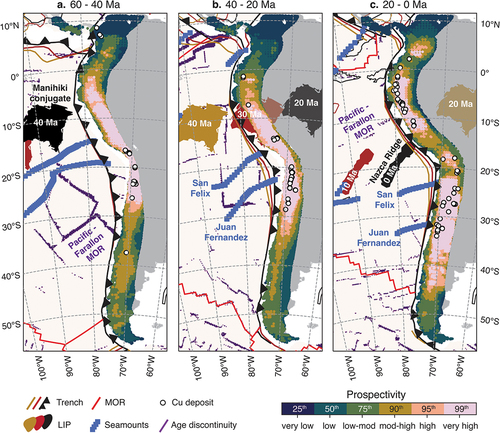
Oceanic seafloor is scarred by age discontinuities, seamounts, and large igneous provinces (LIPs) over normal bathymetry. The recycling of these seafloor anomalies has been speculated to alter subduction regimes which may locally prime some regions for porphyry copper deposit formation. Using a tectonic plate reconstruction encompassing the last 100 Ma paired with a machine learning classifier … Read more…

Remote sensing framework for geological mapping via stacked autoencoders and clustering

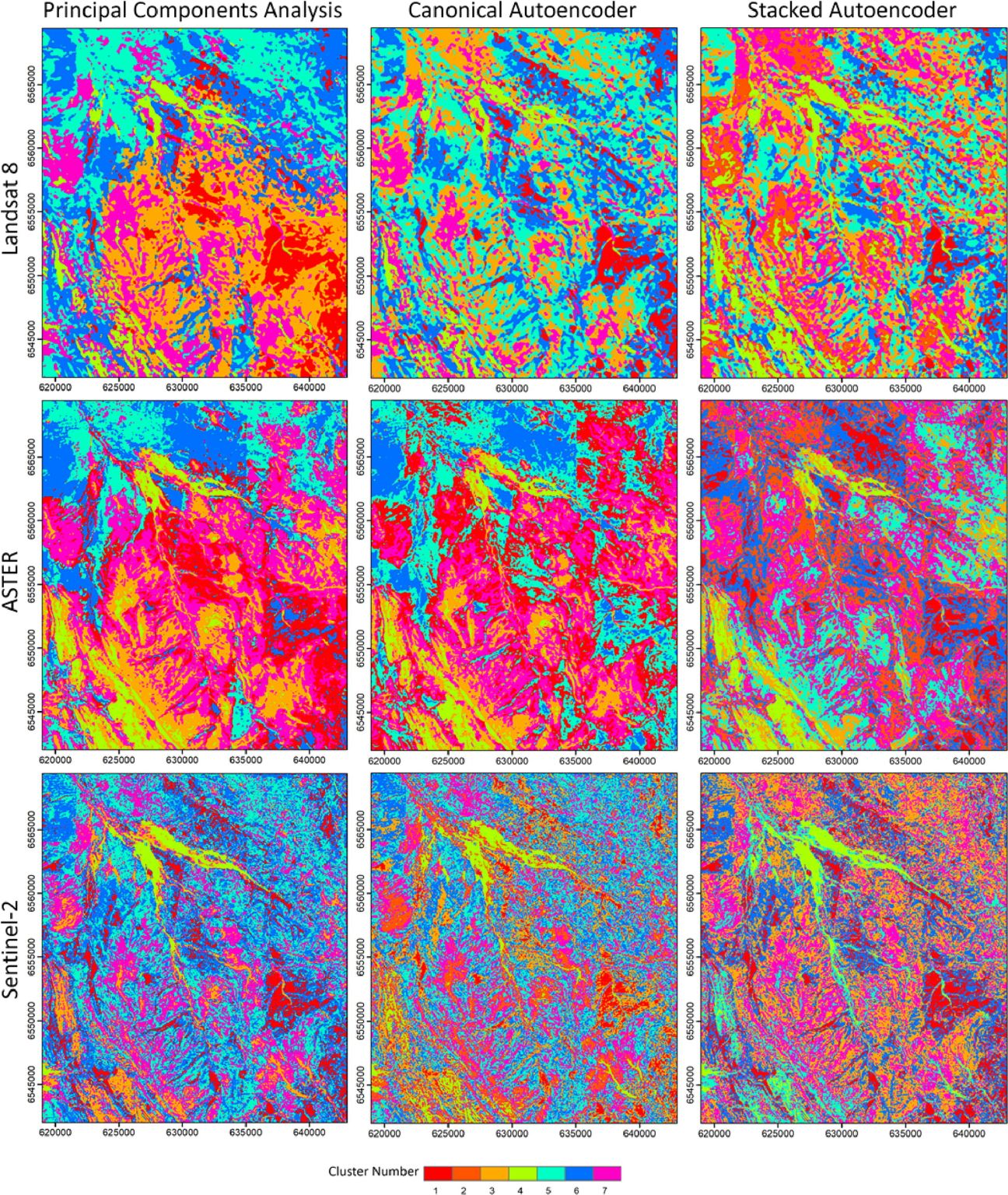
Supervised machine learning methods for geological mapping via remote sensing face limitations due to the scarcity of accurately labelled training data that can be addressed by unsupervised learning, such as dimensionality reduction and clustering. Dimensionality reduction methods have the potential to play a crucial role in improving the accuracy of geological maps. Although conventional dimensionality … Read more…

Leveraging Machine Learning and Geophysical Data for Automated Detection of Interior Structures of Cratons

The internal structures and discontinuities of cratons hold considerable economic value due to their tendency for reactivation and different horizontal stress, serving as conduits for fluid flow and mineral deposition over time. Detecting these structures at various depths is critical for accurately mapping prospective zones of metallic mineralisation. This study demonstrates the effectiveness of integrating … Read more…

Applied Geochemistry: Multivariate statistical analysis and bespoke deviation network modeling for geochemical anomaly detection of rare earth elements

Rare earth elements (REEs), a significant subset of critical minerals, play an indispensable role in modern society and are regarded as “industrial vitamins,” making them crucial for global sustainability. Geochemical survey data proves highly effective in delineating metallic mineral prospects. Separating geochemical anomalies associated with specific types of mineralization from the background reflecting geological processes … Read more…

Remote Sensing of the Enivronment: A review of machine learning in processing remote sensing data for mineral exploration

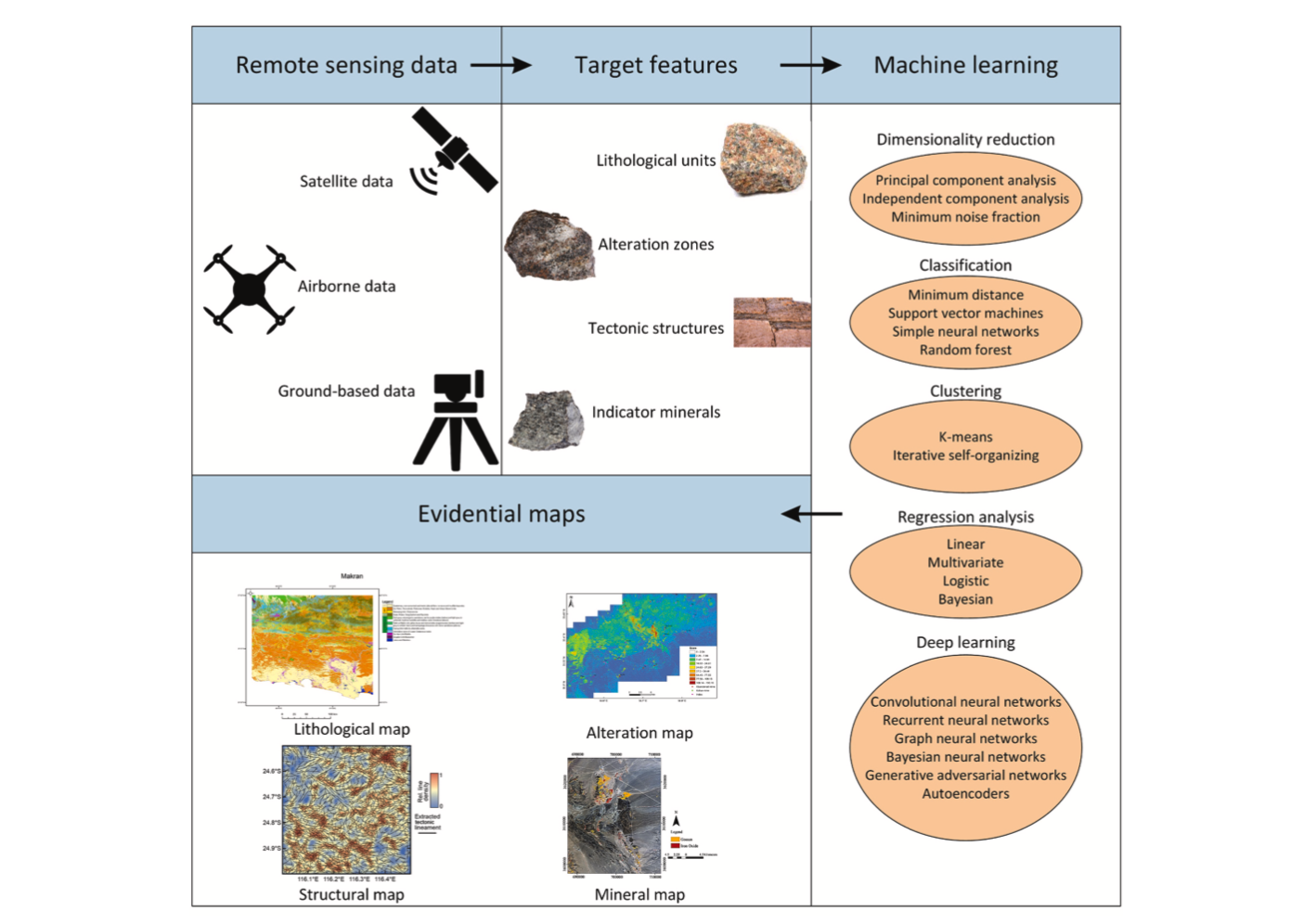
The decline of the number of newly discovered mineral deposits and increase in demand for different minerals in recent years has led exploration geologists to look for more efficient and innovative methods for processing different data types at each stage of mineral exploration. As a primary step, various features, such as lithological units, alteration types, … Read more…

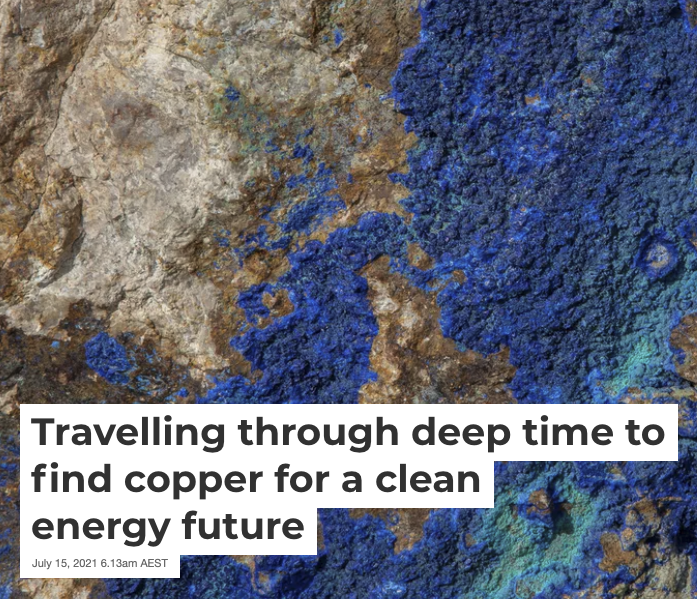
The Conversation: Travelling through deep time to find copper for a clean energy future

More than 100 countries, including the United States and members of the European Union, have committed to net-zero carbon emissions by 2050. The world is going to need a lot of metal, particularly copper. Recently, the International Energy Agency sounded the warning bell on the global supply of copper as the most widely used metal in renewable … Read more…