PNAS: High 3He/4He in central Panama reveals a distal connection to the Galapagos plume
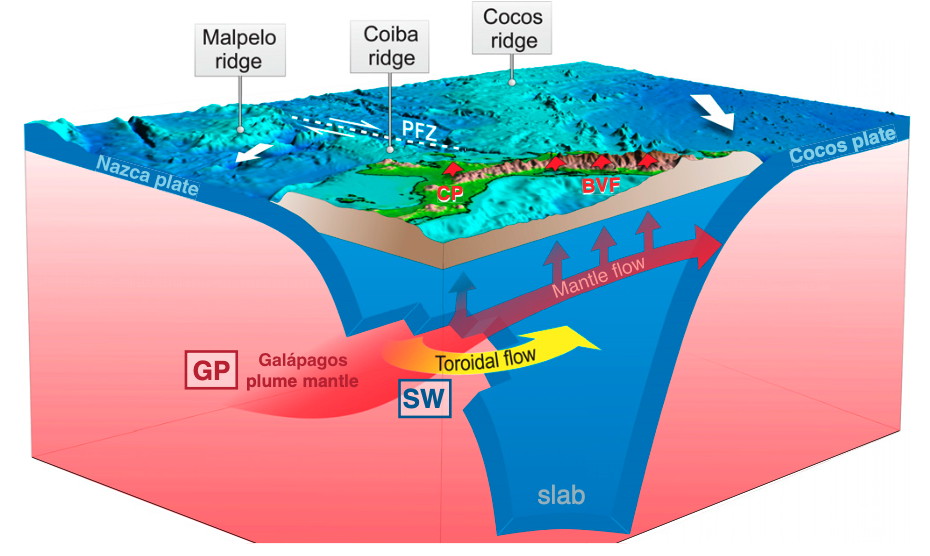
Significance We report the discovery of anomalously high 3He/4He in “cold” geothermal fluids of central Panama, far from any active volcanoes. Combined with independent constraints from lava geochemistry, mantle source geochemical anomalies in Central America require a Galapagos plume contribution that is not derived from hotspot track recycling. Instead, these signals likely originate from large-scale … Read more…
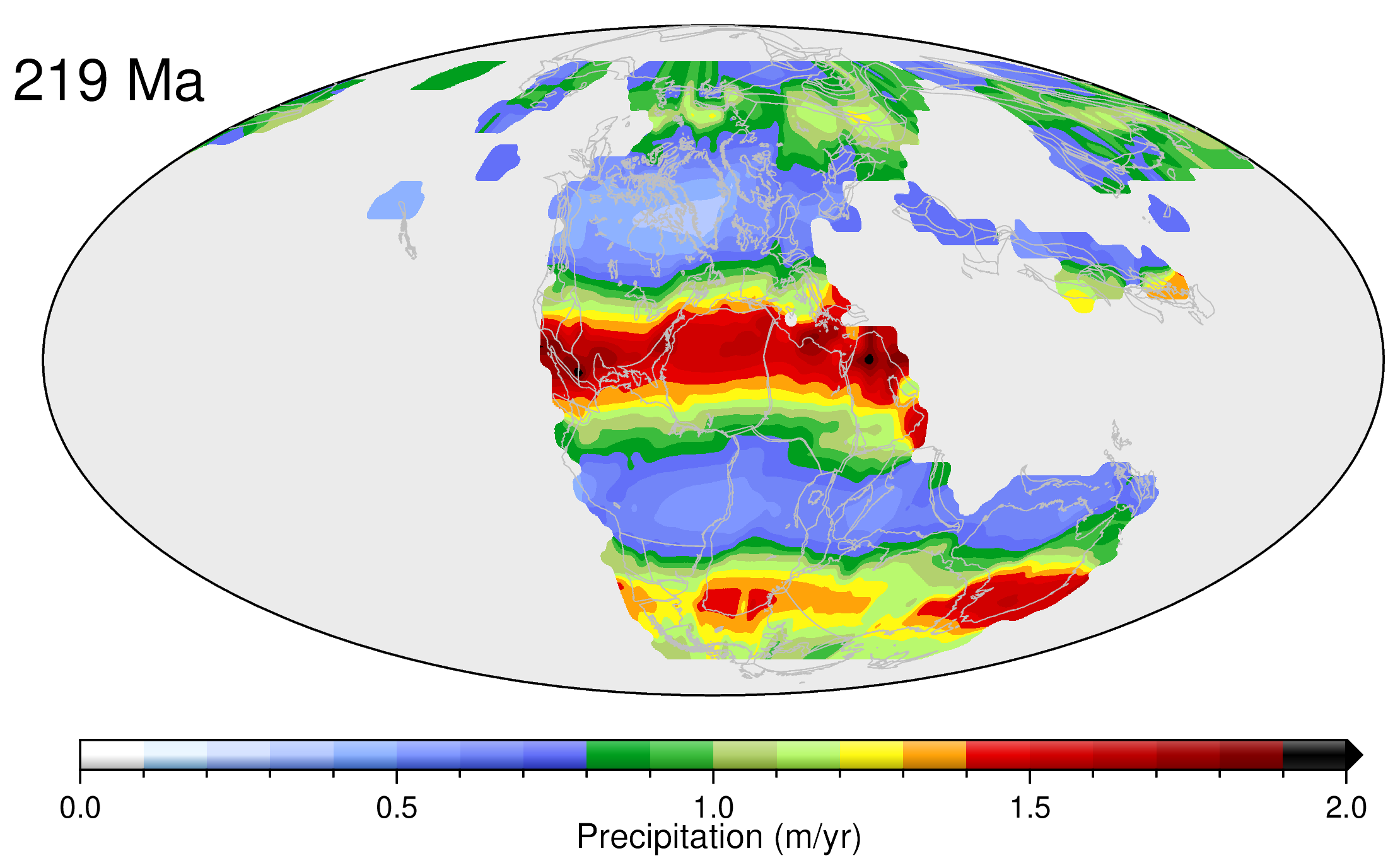
Modelling global precipitation since 250 million years ago

We have developed a novel data-driven approach to reconstruct precipitation patterns through geological time, since the supercontinent Pangea was in existence. Our approach involves linking climate-sensitive sedimentary deposits such as coal, evaporites and glacial deposits to a global plate model, reconstructed paleo-elevation maps and high-resolution General Circulation Models via Bayesian machine learning. We model the … Read more…

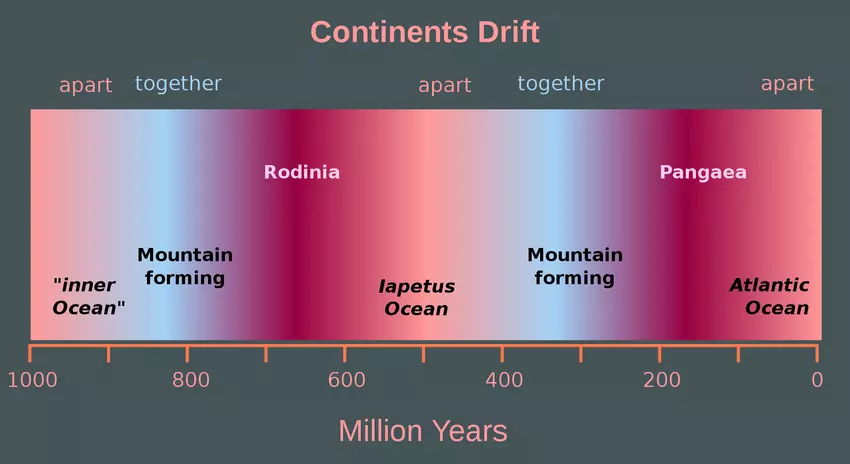
World Economic Forum: Watch how today’s continents were formed over one billion years – in just 40 seconds

The plate tectonic theory says that Earth’s surface is made up of slabs of rock that are slowly shifting right under our feet. Because of this constant movement, today’s Earth looks a lot different from what it did millions of years ago. In 1912, German scientist Alfred Wegener proposed that Earth’s continents once formed a … Read more…

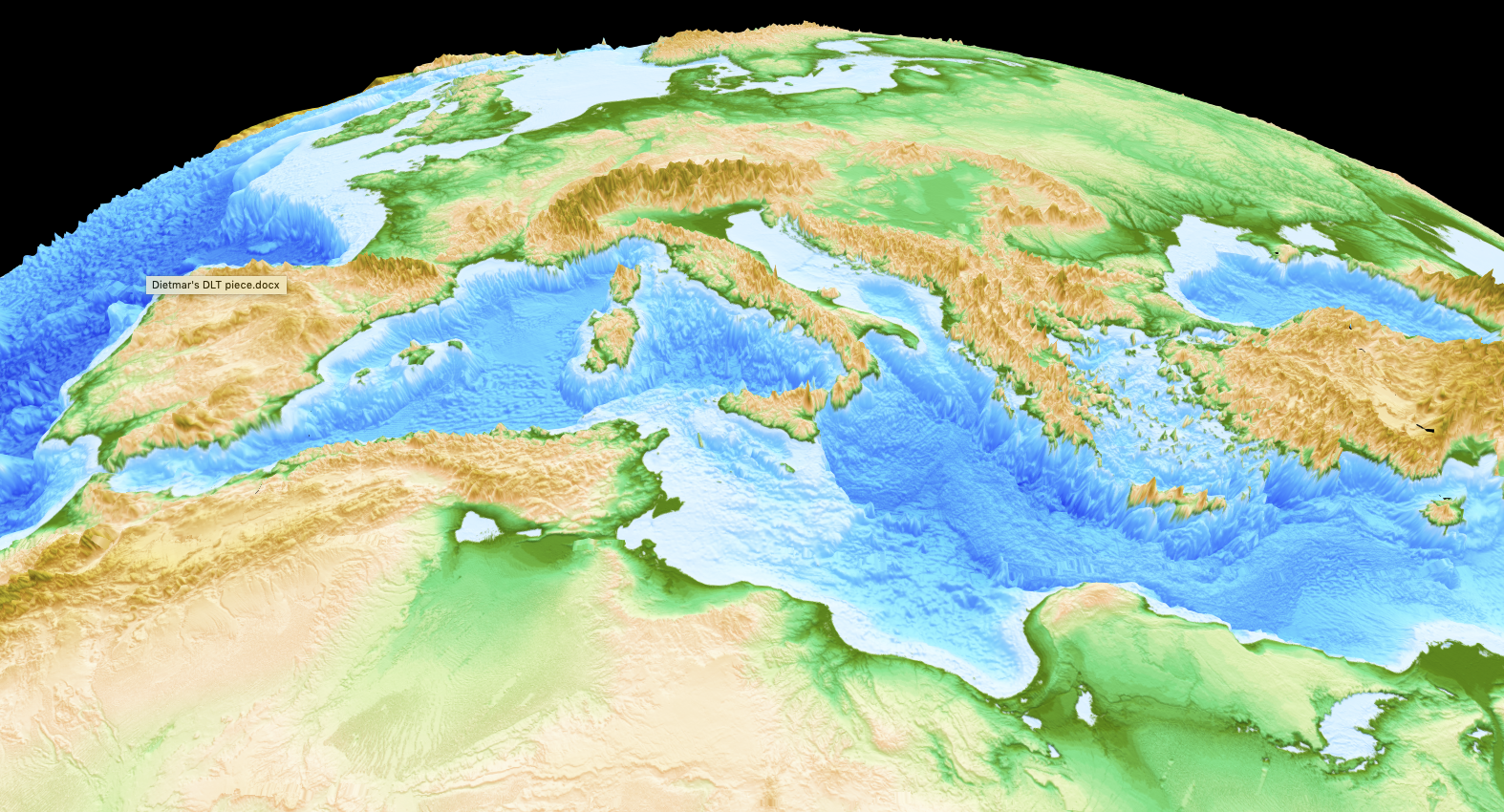
Kinematics and extent of the Piemont–Liguria Basin – implications for subduction processes in the Alps

Assessing the size of a former ocean of which only remnants are found in mountain belts is challenging but crucial to understanding subduction and exhumation processes. Here we present new constraints on the opening and width of the Piemont–Liguria (PL) Ocean, known as the Alpine Tethys together with the Valais Basin. We use a regional … Read more…