
Subduction System Response to Ribbon Collision: Implications on the Intra‐Plate Force Balance and the Style of Slab Deformation
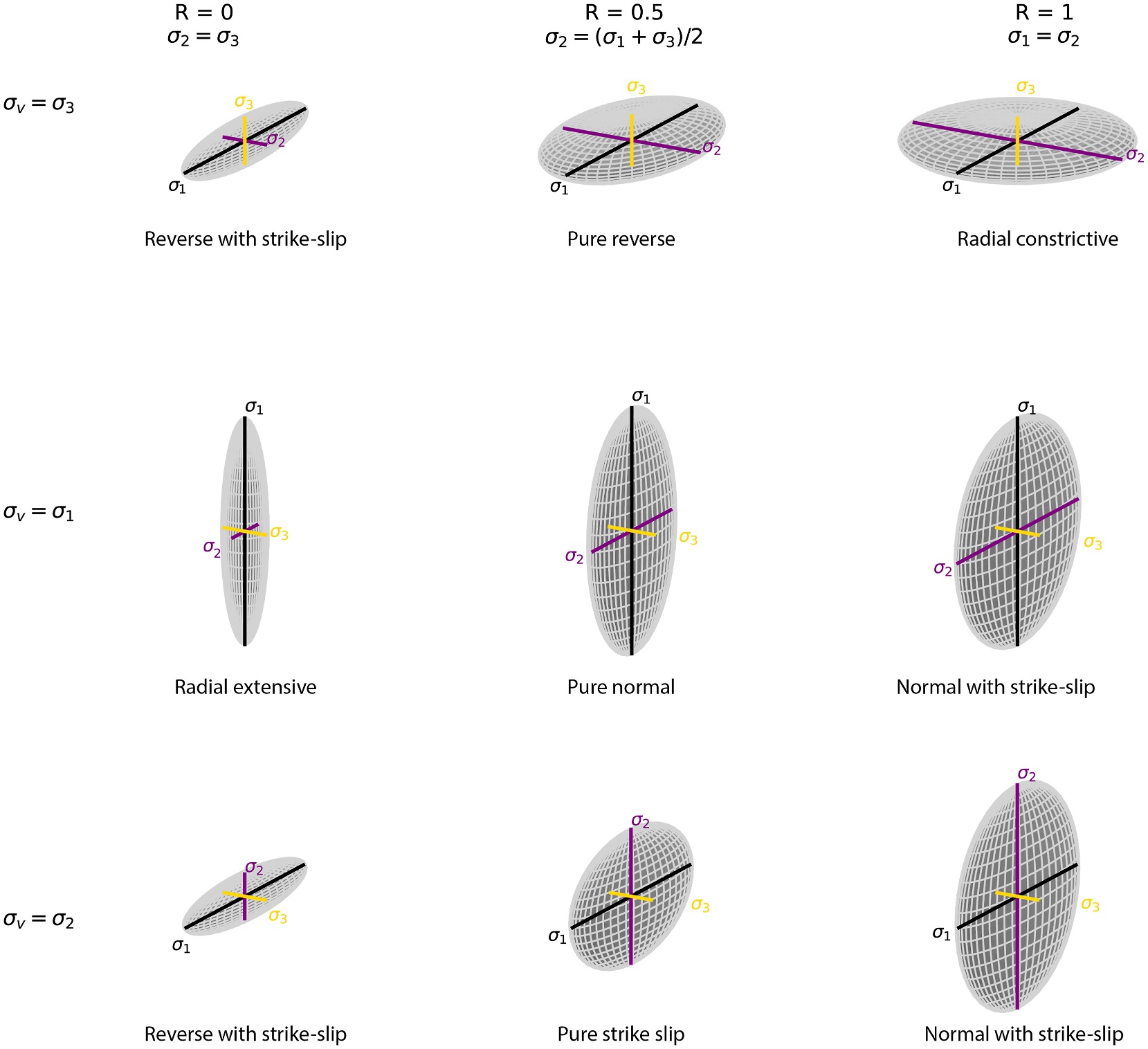
Figure 3 from Rodriguez‐Corcho et al. (2026)

Using three-dimensional numerical models, the authors investigate how a buoyant ribbon of thickened oceanic crust colliding with a subduction zone disturbs stress and strain within the subducting slab and the surrounding plates. They find that the angle of collision creates compartmentalised zones of high and low strain rate around a region of strong vorticity, and … Read more…
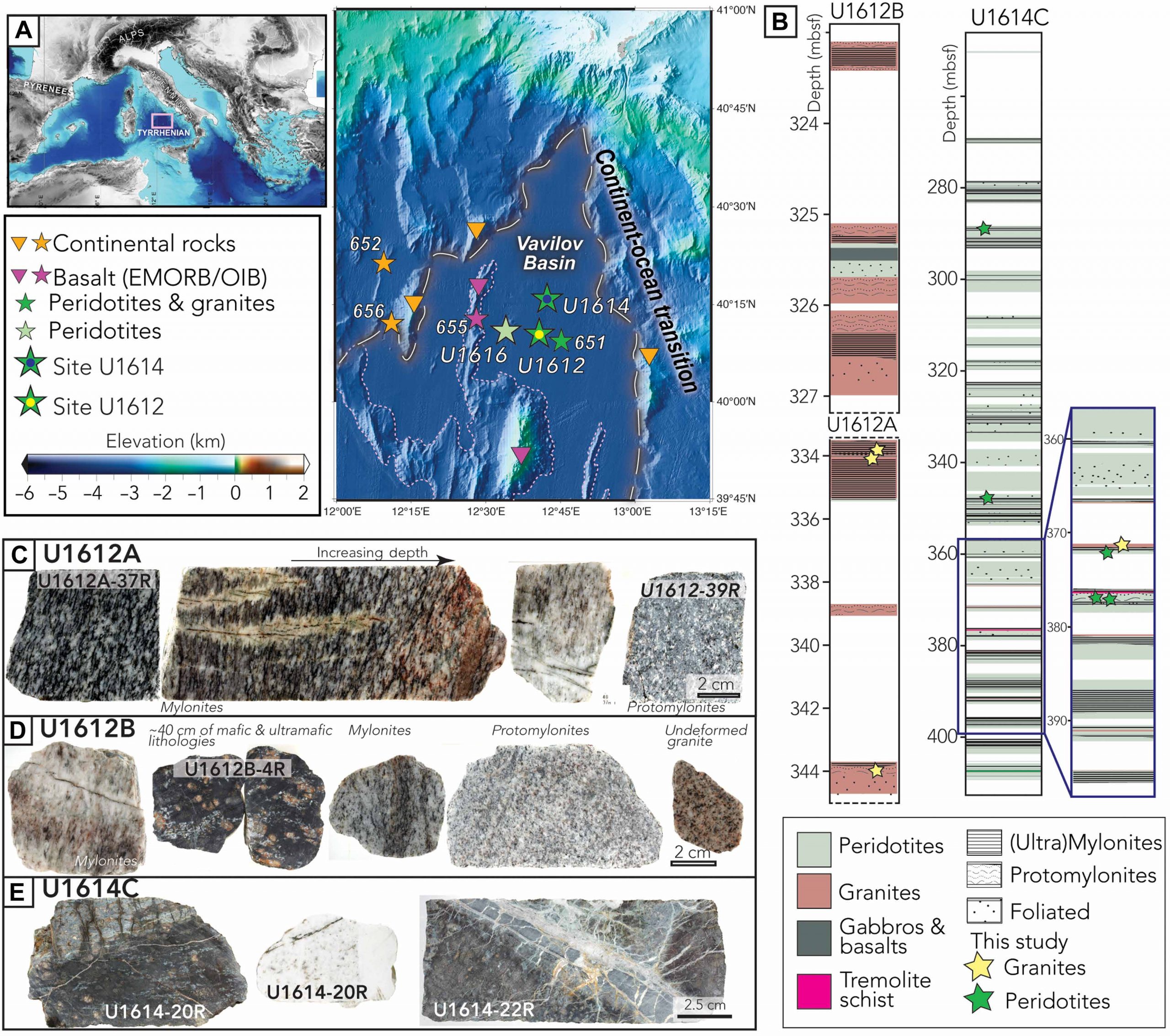
Granitic intrusions enhance strain localization and rapid mantle exhumation along an oceanic detachment fault

Map of the Tyrrhenian Sea showing IODP Expedition 402 drill sites with core photos and lithology logs.

Scientists drilling into the Tyrrhenian Sea seafloor as part of the International Ocean Discovery Program recovered rock cores showing granite intrusions mixed with peridotite along an ancient detachment fault. Dating and chemical analysis show the granites formed about 4 million years ago some 7 to 9 kilometres down, then were rapidly brought to the seafloor … Read more…

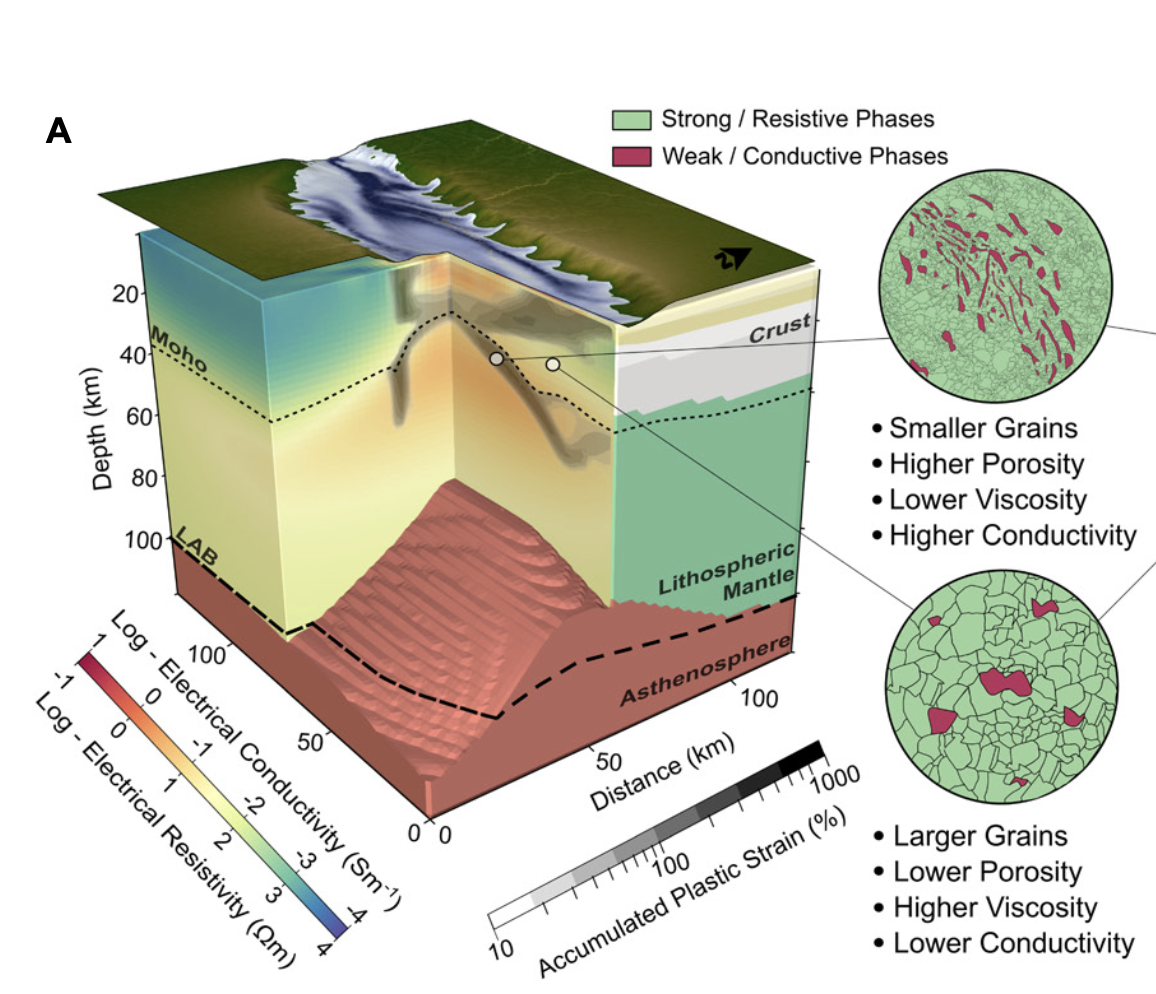
Strain controls the electrical conductivity distribution in the lithosphere

Magnetotellurics (MT) utilize measurements of electromagnetic fields at Earth’s surface to image the electrical conductivity distribution at depths from a few meters to ∼200 km. MT is especially powerful for mapping mineralized fluid pathways, as it is sensitive to inter- connected minor conductive phases such as fluids, melts, or sulfides. However, conductivity anomalies documented by … Read more…