
Subduction System Response to Ribbon Collision: Implications on the Intra‐Plate Force Balance and the Style of Slab Deformation
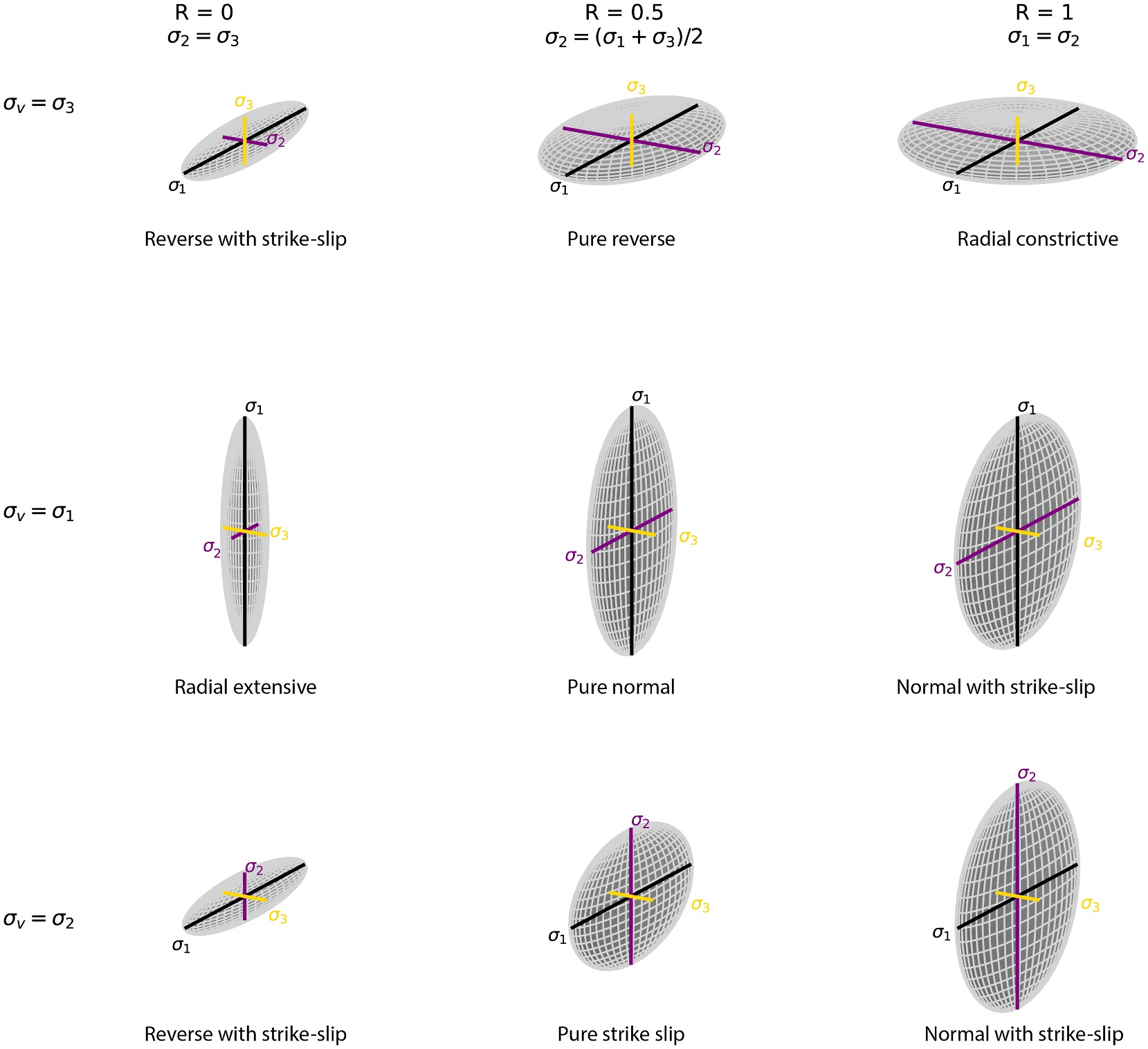
Figure 3 from Rodriguez‐Corcho et al. (2026)

Using three-dimensional numerical models, the authors investigate how a buoyant ribbon of thickened oceanic crust colliding with a subduction zone disturbs stress and strain within the subducting slab and the surrounding plates. They find that the angle of collision creates compartmentalised zones of high and low strain rate around a region of strong vorticity, and … Read more…
Eastward Growth of the Tibetan Plateau Linked to Cenozoic Orogenic Wedge Deformation and Fluctuating Melt Sources

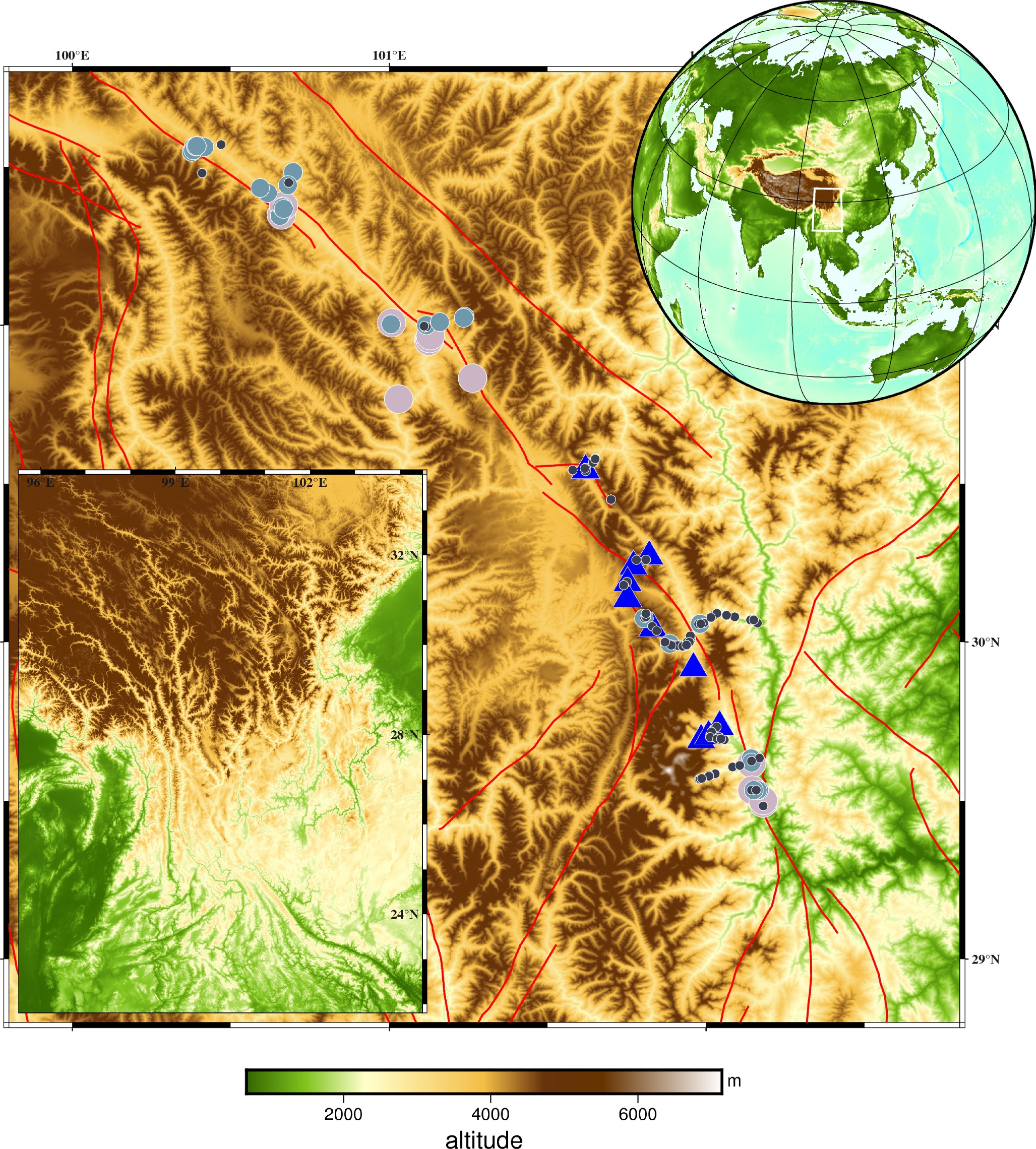
Digital elevation map of the southeastern Tibetan Plateau showing sample locations and major faults.

Scientists studied granitoids from the Kangding area in the southeastern Tibetan Plateau, using new elemental and isotopic data, including the first silicon isotope measurements for these rocks, to trace how the plateau’s crust grew eastward over the last 35 million years. The granites fall into two groups, and one of them shows a temporary shift … Read more…

Geol. Soc. London Mem.: Effects of melt-percolation, refertilization and deformation on upper mantle seismic anisotropy: constraints from peridotite xenoliths, Marie Byrd Land, West Antarctica

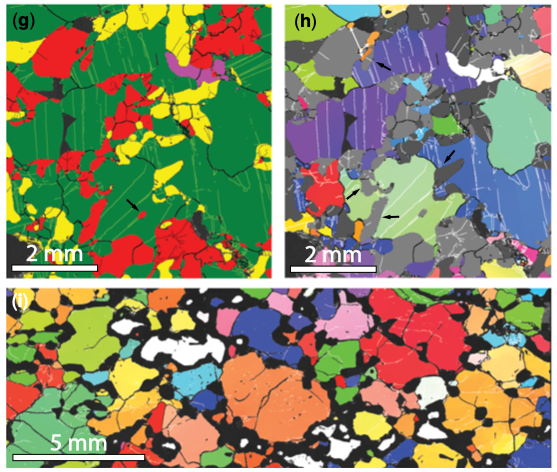
We report on the petrology, microstructure and seismic properties of 44 peridotite xenoliths extracted from the upper mantle beneath Marie Byrd Land (MBL), West Antarctica. The aim of this work is to understand how melt-rock reaction, refertilization, and deformation affected the seismic properties (velocities, anisotropy) of the West Antarctic upper mantle, in the context of … Read more…