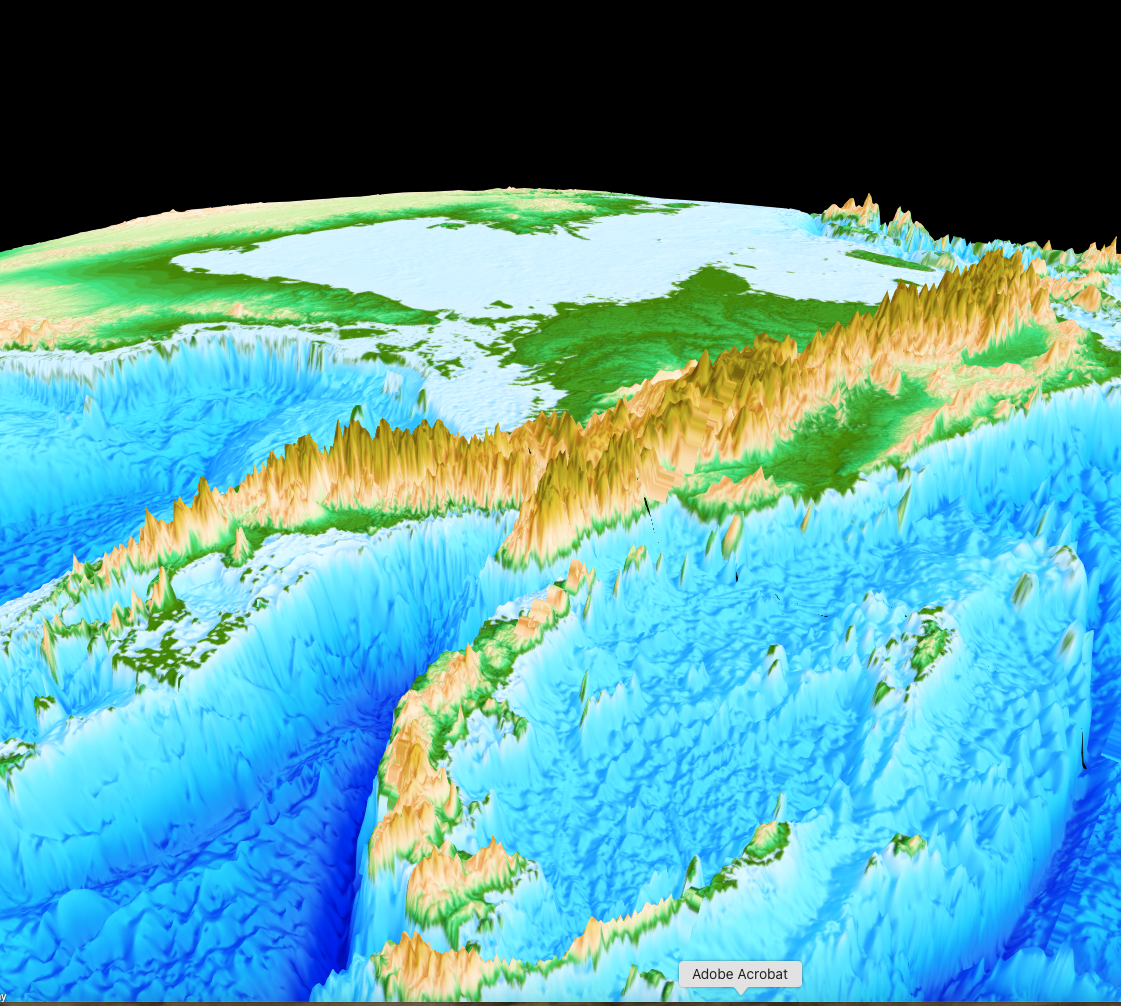
Rainfall and tectonic forcing lead to contrasting headwater slope evolutions

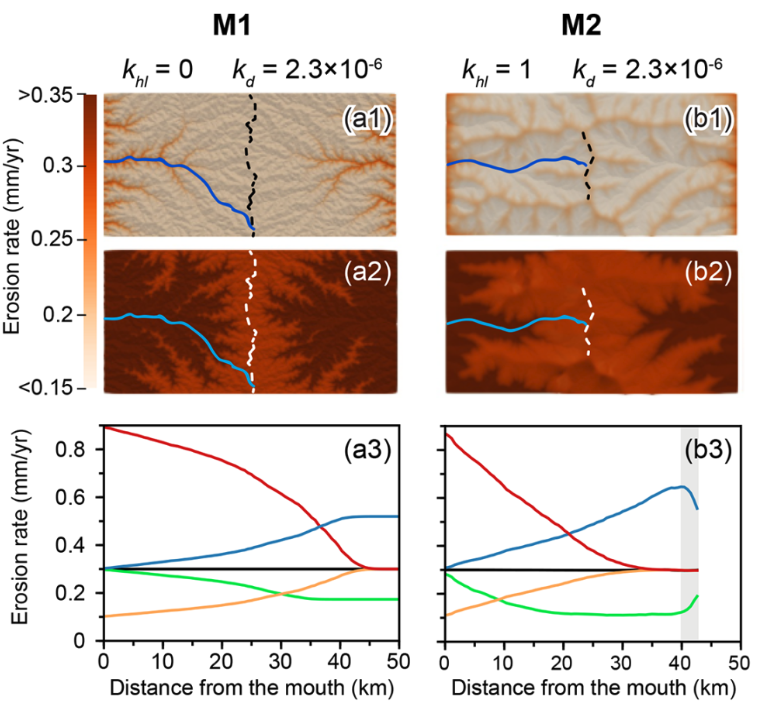
Landscapes evolve through the coupled effects of tectonics and surface processes. Previous studies have shown that uplift rate changes generate upstream-migrating erosion waves, altering downstream slopes while upstream slopes remain constant until the wave arrives. However, the distinctive differences between landscape responses to uplift versus climatic changes, particularly rainfall rate changes, remain incompletely described. This … Read more…

Pacific and Atlantic Modes of Overturning in the Miocene Climatic Optimum

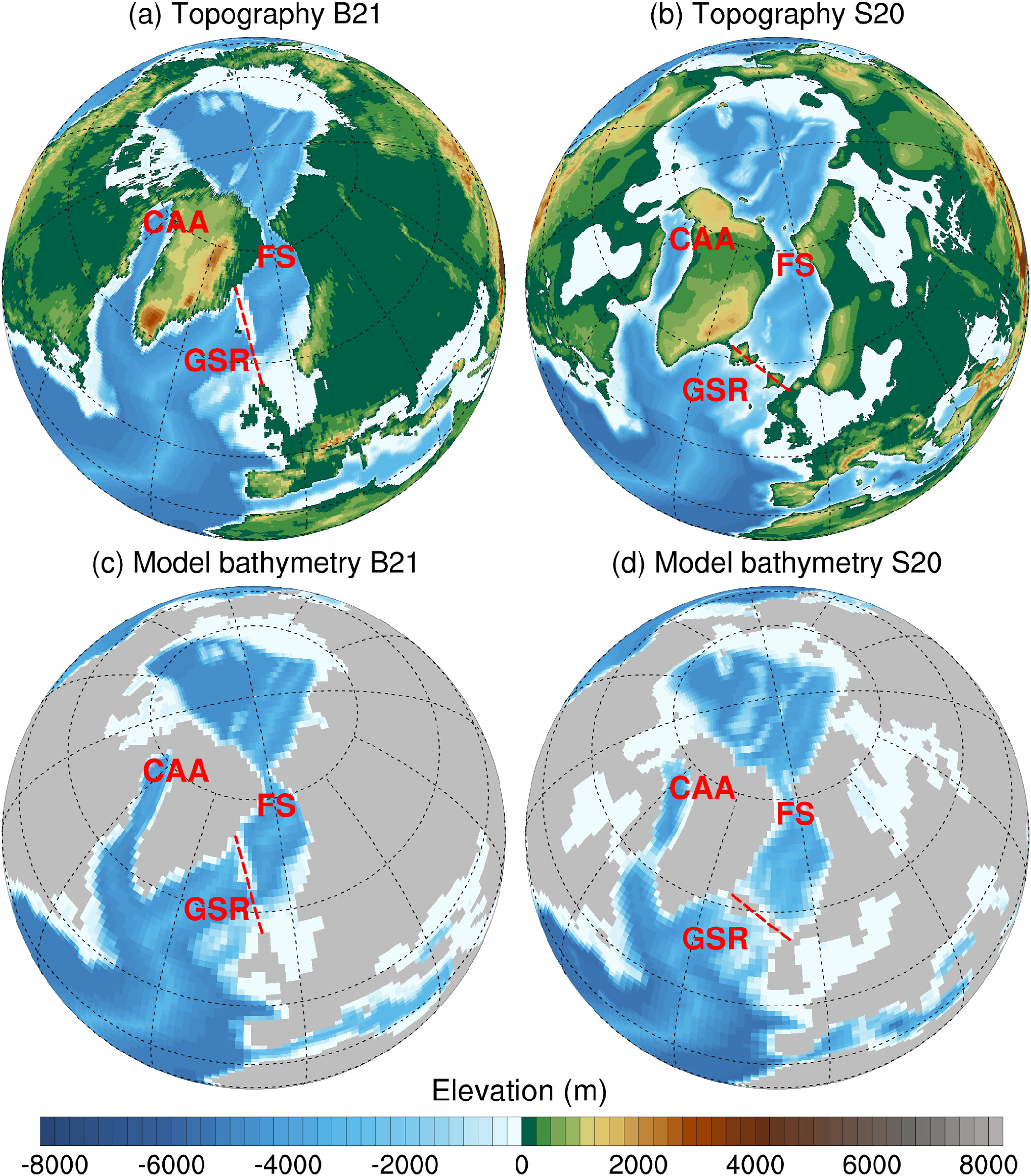
During the Cenozoic Era, the ocean’s meridional overturning circulation (MOC) has alternated between North Pacific and North Atlantic sinking modes. The Miocene Climatic Optimum (17.0–14.7 Ma) is a key interval for reconstructing this history because there is partial and inconclusive evidence for both MOC modes during this period. Here, we use the GFDL CM2.1 coupled climate … Read more…

Thickness of an extensional plate-boundary shear zone in the mantle: Implications for tectonic controls on strain localization and transient strain rates

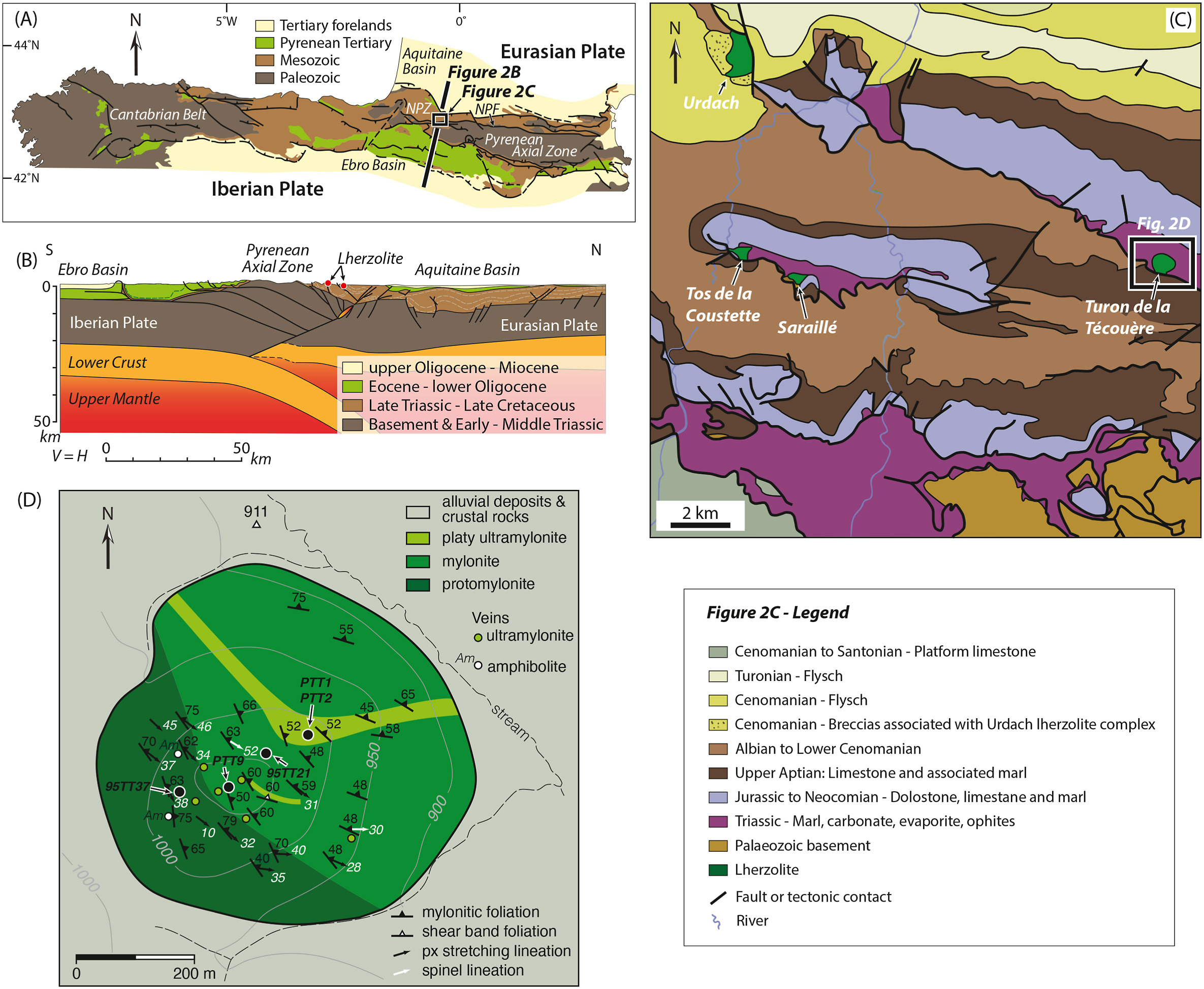
This study shows that constant displacement rate conditions – imposed by plate tectonics – is the best approach to consider the evolution of extensional plate-boundary shear zones, as stresses vary during deformation. The Turon de Técouère massif of the French Pyrenees preserves a Cretaceous, magma-poor hyperextended plate margin within the lithospheric mantle. The massif exposes an extensional … Read more…
Strain controls the electrical conductivity distribution in the lithosphere

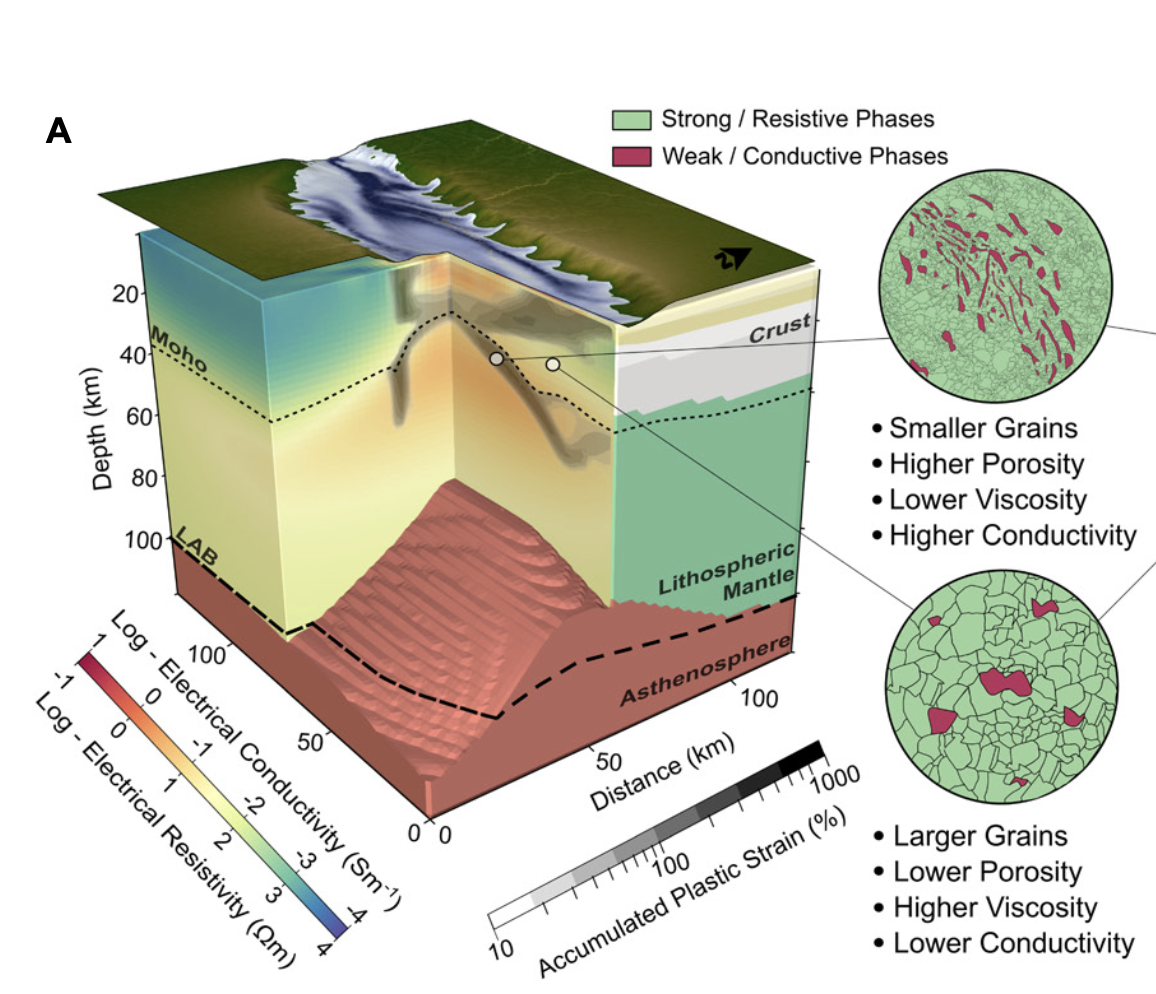
Magnetotellurics (MT) utilize measurements of electromagnetic fields at Earth’s surface to image the electrical conductivity distribution at depths from a few meters to ∼200 km. MT is especially powerful for mapping mineralized fluid pathways, as it is sensitive to inter- connected minor conductive phases such as fluids, melts, or sulfides. However, conductivity anomalies documented by … Read more…

Predicting the preservation of buried ore deposits using deep-­ time landscape evolution modeling


    Porphyry copper discoveries are declining despite rising demand to meet net-zero targets, highlighting the need for innovative exploration strategies. While many advances have focused on ore formation at depth, a major challenge remains in understanding how erosion and uplift over millions of years affect deposit preservation. These post-mineralisation processes determine whether porphyry systems … Read more…

Mid-Proterozoic expansion of passive margins and reduction in volcanic outgassing supported marine oxygenation and eukaryogenesis

The mid-Proterozoic interval between 1800 and 800 Ma, commonly referred to as the “Boring Billion”, was marked by the emergence of eukaryotic cells from prokaryotic ancestors, a key step in the evolution of life. This period encompassed the assembly and dispersal of two consecutive supercontinents, Nuna and Rodinia, as well as the development of extensive … Read more…
Indian Ocean carbonate compensation depth since the Late Oligocene

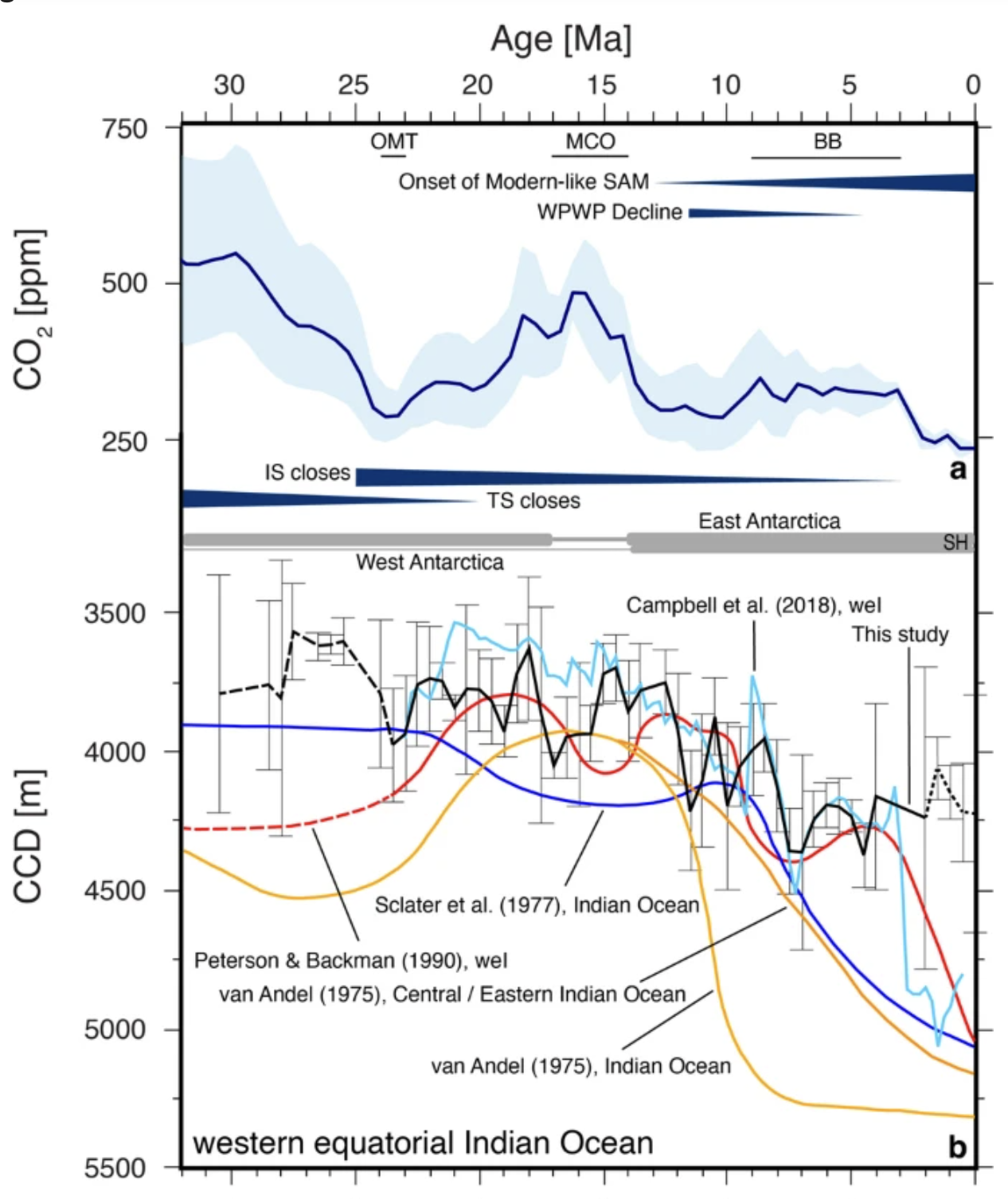
The carbonate compensation depth (CCD), defined as the depth in the ocean where the supply rate of pelagic carbonate is balanced by its dissolution, provides an important parameter for estimating the amount of calcium carbonate-bound carbon that is stored in deep-sea sediments. The CCD is reasonably well-constrained across the Atlantic and Pacific oceans; however, our … Read more…

SAnTex: A Python-based Library for Seismic Anisotropy Calculation

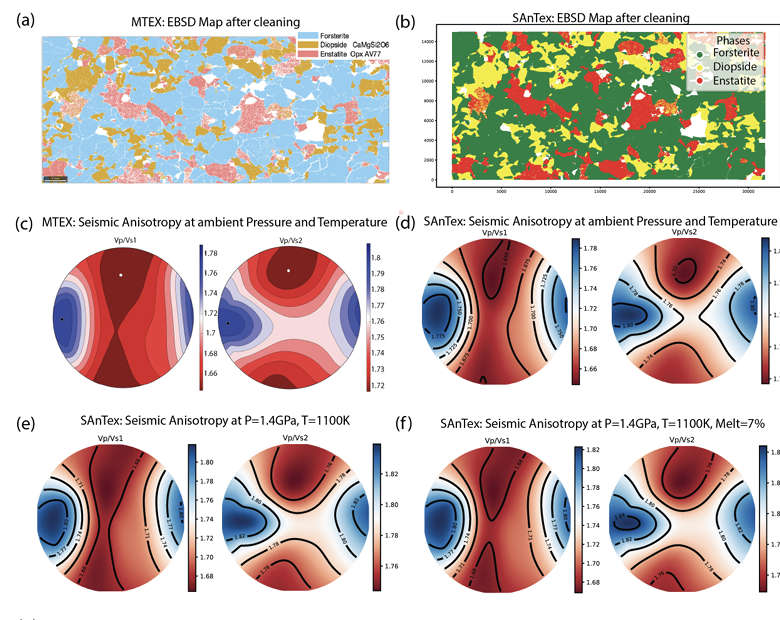
Seismic anisotropy, the directional dependency of seismic wave velocities, is important for mapping the Earth’s structure and understanding geodynamic processes. Seismic anisotropy primarily stems from the development of mineral crystallographic preferred orientation (i.e. texture) during the plastic deformation of rocks. In-depth analysis of data from texture characterization techniques like Electron Backscatter Diffraction (EBSD) enables the … Read more…

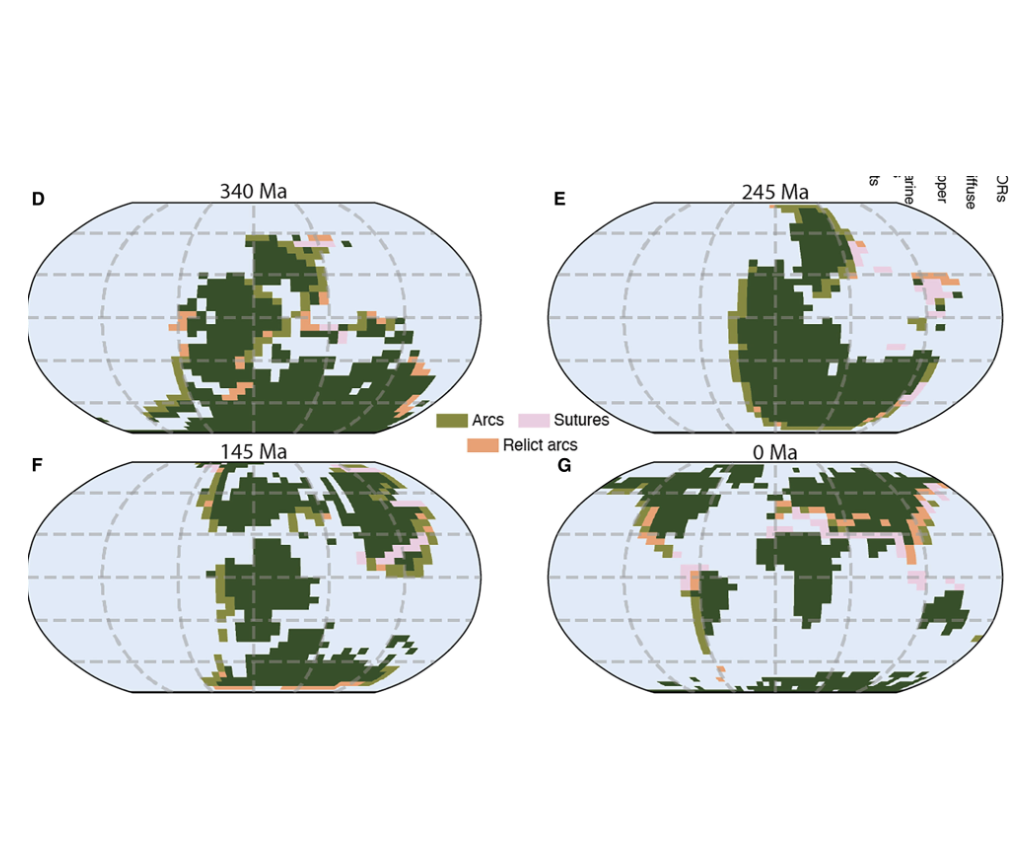
Polar wander leads to large differences in past climate reconstructions

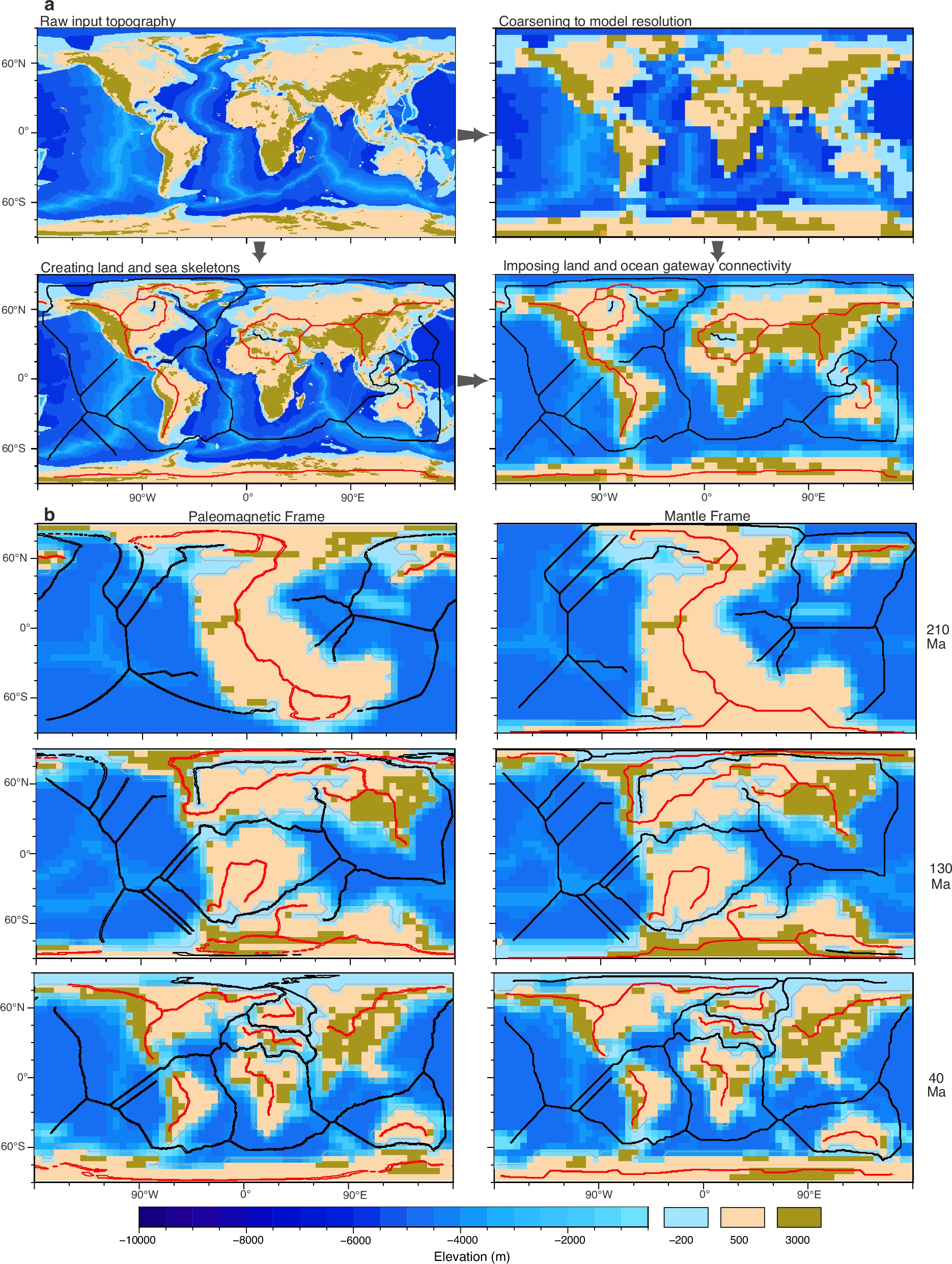
The position of continents and oceans in geological time dictates the biogeographic dispersal of life, influences the preservation of mineral resources, and informs our understanding of Earth’s climate trajectory. Reconstructing past crustal locations requires a plate tectonic model that differs depending on whether the model uses a mantle reference frame, or a paleomagnetic reference frame, … Read more…

A High-resolution 3-D Shear Velocity Model for Cameroon using Ambient Noise Tomography: Constraints from the CPSO algorithm

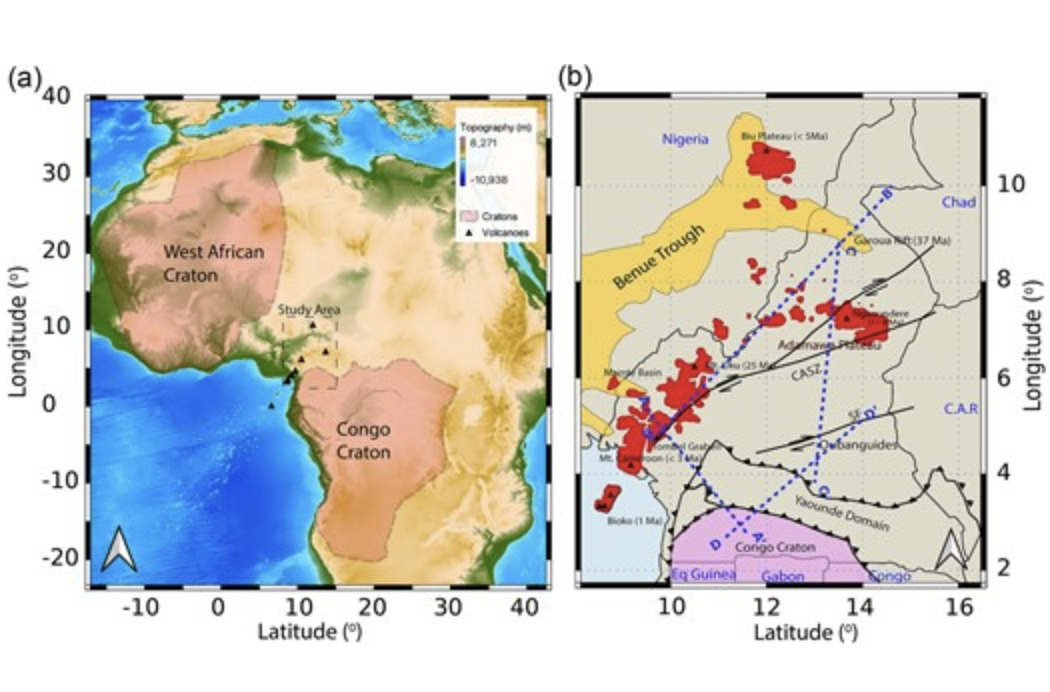
The Cameroon Volcanic Line (CVL) and other tectonic features in Cameroon remain enigmatic, prompting ongoing debates about their detailed crustal structure, composition and geodynamic evolution. To shed light on the structural complexities and the underlying crustal processes, we leverage the two-step ambient noise tomography method to obtain the 3-D shear wave velocity (Vs) and the P-to-S wave … Read more…

Heterogeneous Earth’s mantle drilled at an embryonic ocean

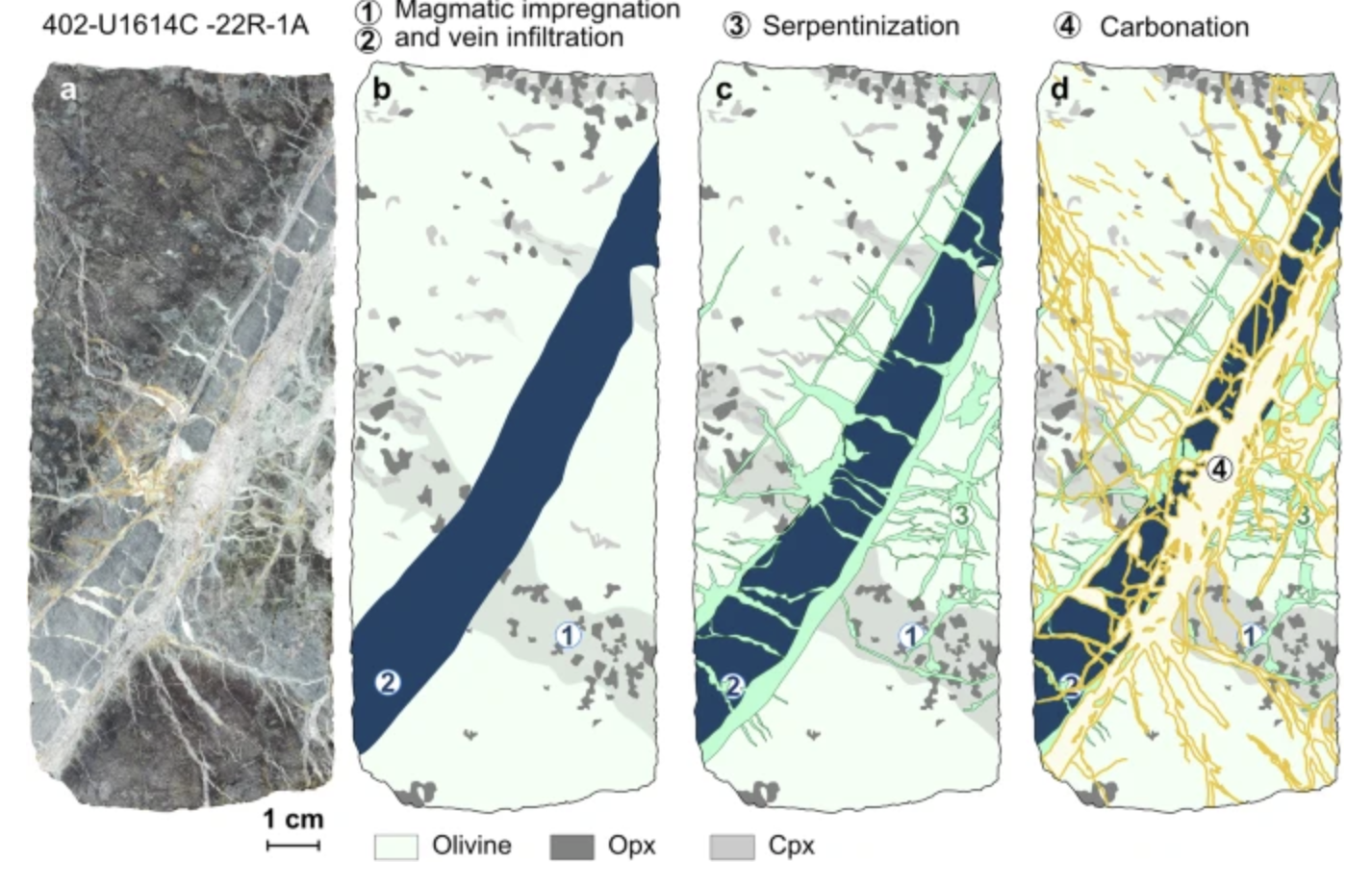
Mantle processes control plate tectonics and exert an influence on biogeo- chemical cycles. However, the proportion of mantle sampled in-situ is minimal, as it is buried beneath igneous crust and sediments. Here we report the lithological characteristics of two mantle sections from an embryonic ocean drilled by the International Ocean Discovery Program (IODP) in the … Read more…

Thermo‐mechanical rift evolution of large igneous province crust

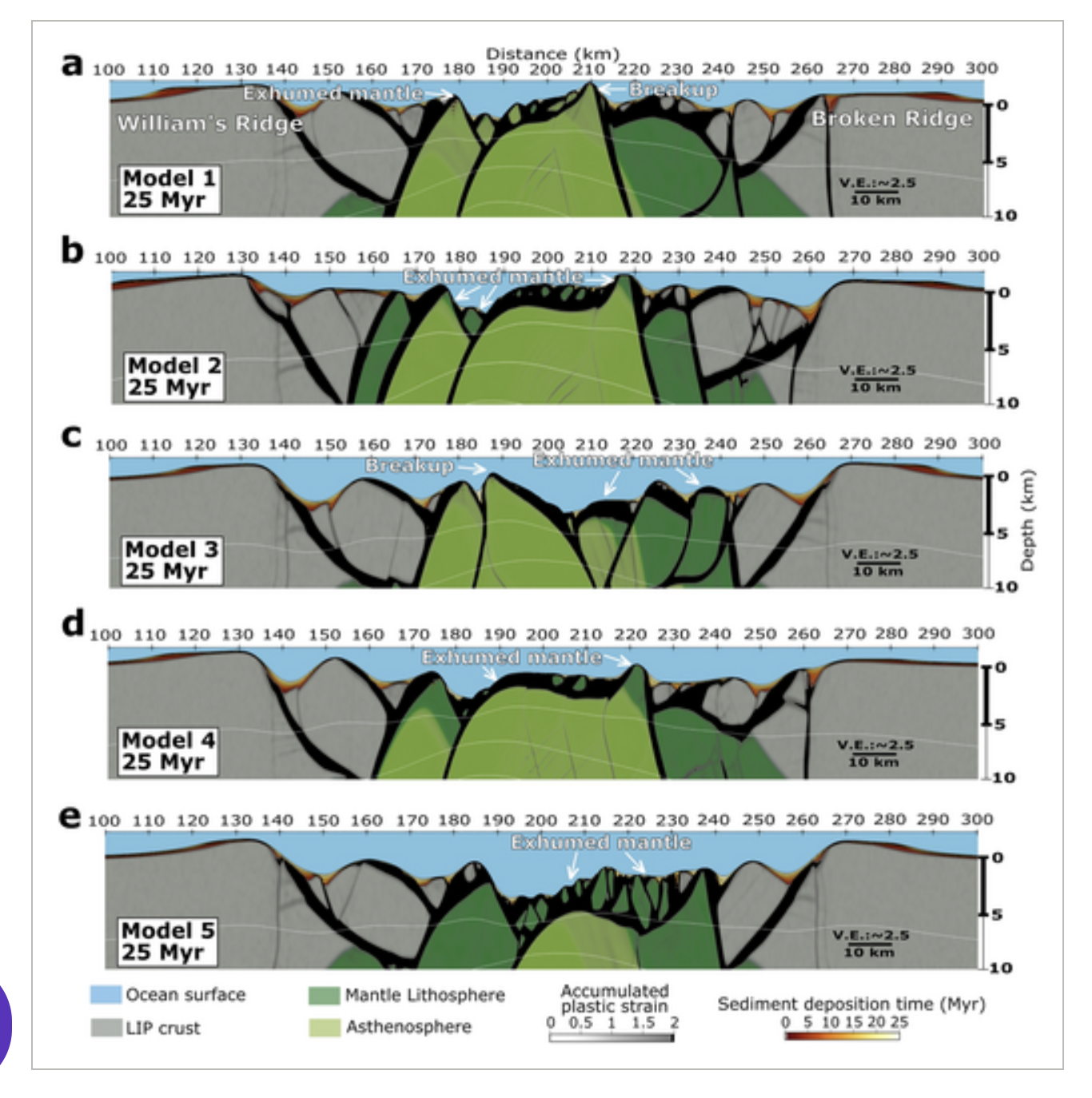
Numerical models, coupled with observational data, have proven crucial for addressing fundamental questions regarding extensional processes from continental rift to mid-ocean ridge (MOR). However, extensional processes at Large Igneous Provinces (LIP), a distinct type of lithosphere, have not been examined, leaving a thorough comprehension of rift mechanics unresolved. Here, we model the thermo-mechanical evolution for … Read more…

Automated Detection of Mineralization-Related Craton Structures Using Geophysical Data and Unsupervised Machine Learning

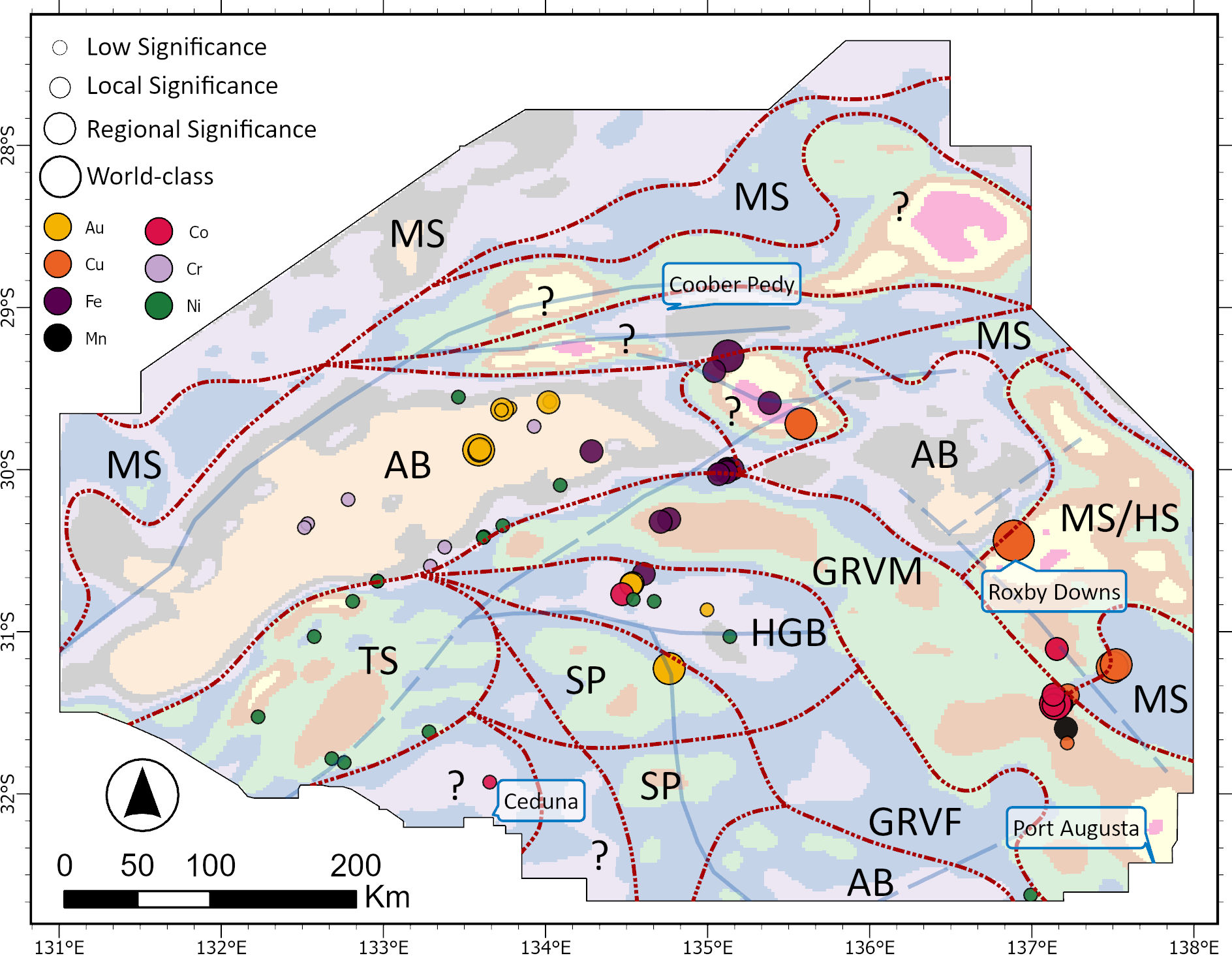
Internal structures and discontinuities within cratons are economically significant due to their history of tectonic reactivation from varying intraplate stress fields, which open pathways for fluid flow and facilitate mineral deposition. However, the complex overprinting tectonic processes that make cratons prospective can also lead to uncertainty regarding their internal geometries. To address this, we take … Read more…

The Moving Mantle Beneath Hawaii: A New Look at an Old Bend

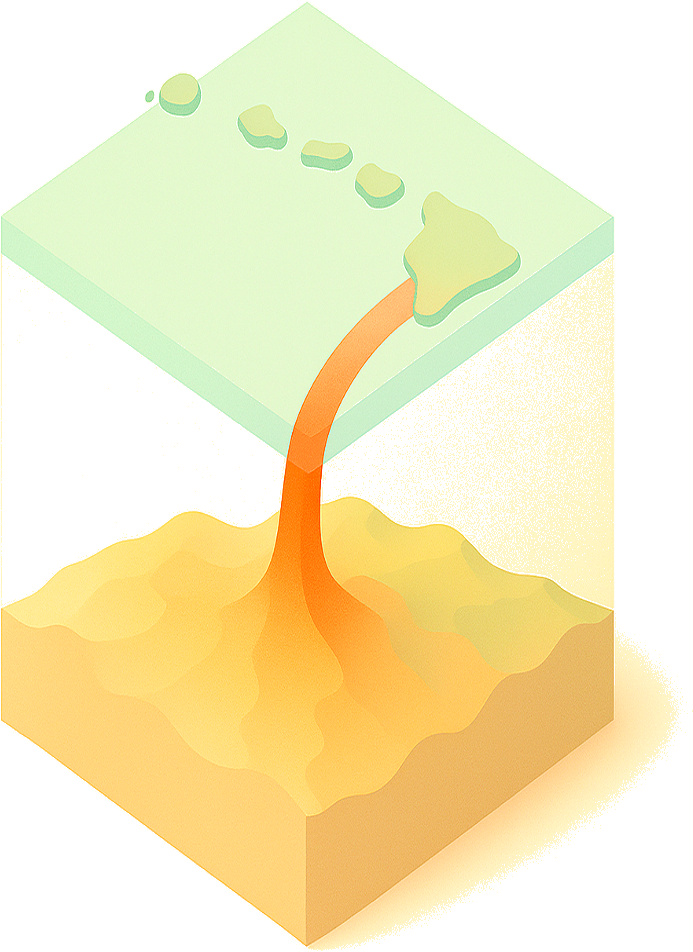
The Hawaiian–Emperor Bend (HEB) has long been a geological Rosetta Stone for probing the link between plate tectonics and mantle dynamics. In a compelling new study in PNAS, Zhang and Hu (2025) revisit this classic problem with global mantle convection models constrained by plate reconstructions. They reveal that in addition to the widely accepted southward … Read more…

Craton boundary detection from full-waveform tomography model reveals links to critical metal deposits

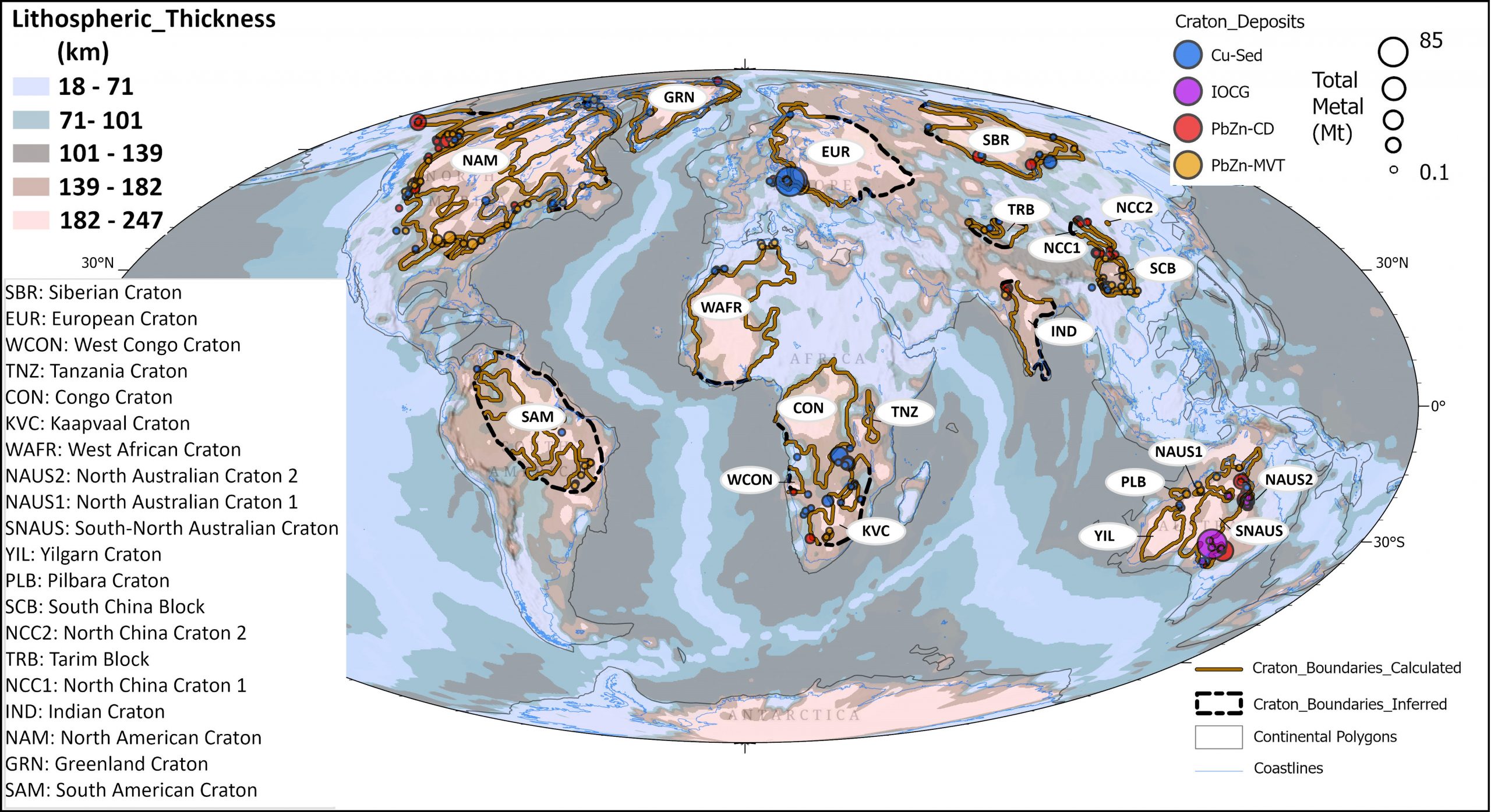
Craton margins play a crucial role in mineral exploration as they host faults, fractures, and shear zones that facilitate hydrothermal fluid movement, transporting and depositing dissolved metals into valuable mineral deposits. We use the high-resolution full-waveform seismic inversion model REVEAL to extract horizontal shear wave velocity (VSH), vertical shear wave velocity (VSV), and isotropic P-wave … Read more…

New Kinematic Model of the Early Opening of the Equatorial Atlantic Realm

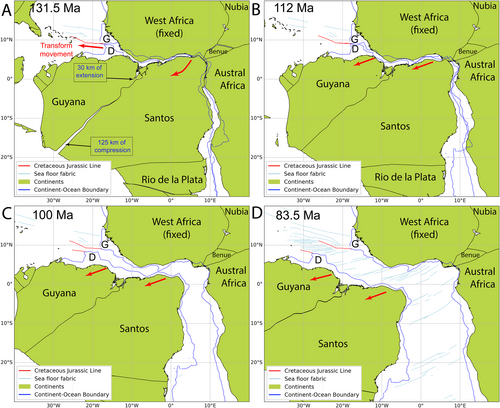
The opening of the Equatorial Atlantic Ocean constitutes the final stage of Gondwana’s breakup, leading to the separation of the African and South American continents. The early spreading has been debated due to the absence of magnetic anomalies related to the Early Cretaceous opening at low latitude, and an incomplete fracture zone record, hidden by … Read more…

Regional Carbonate Compensation Depth variability in the Pacific Ocean since the Oligocene

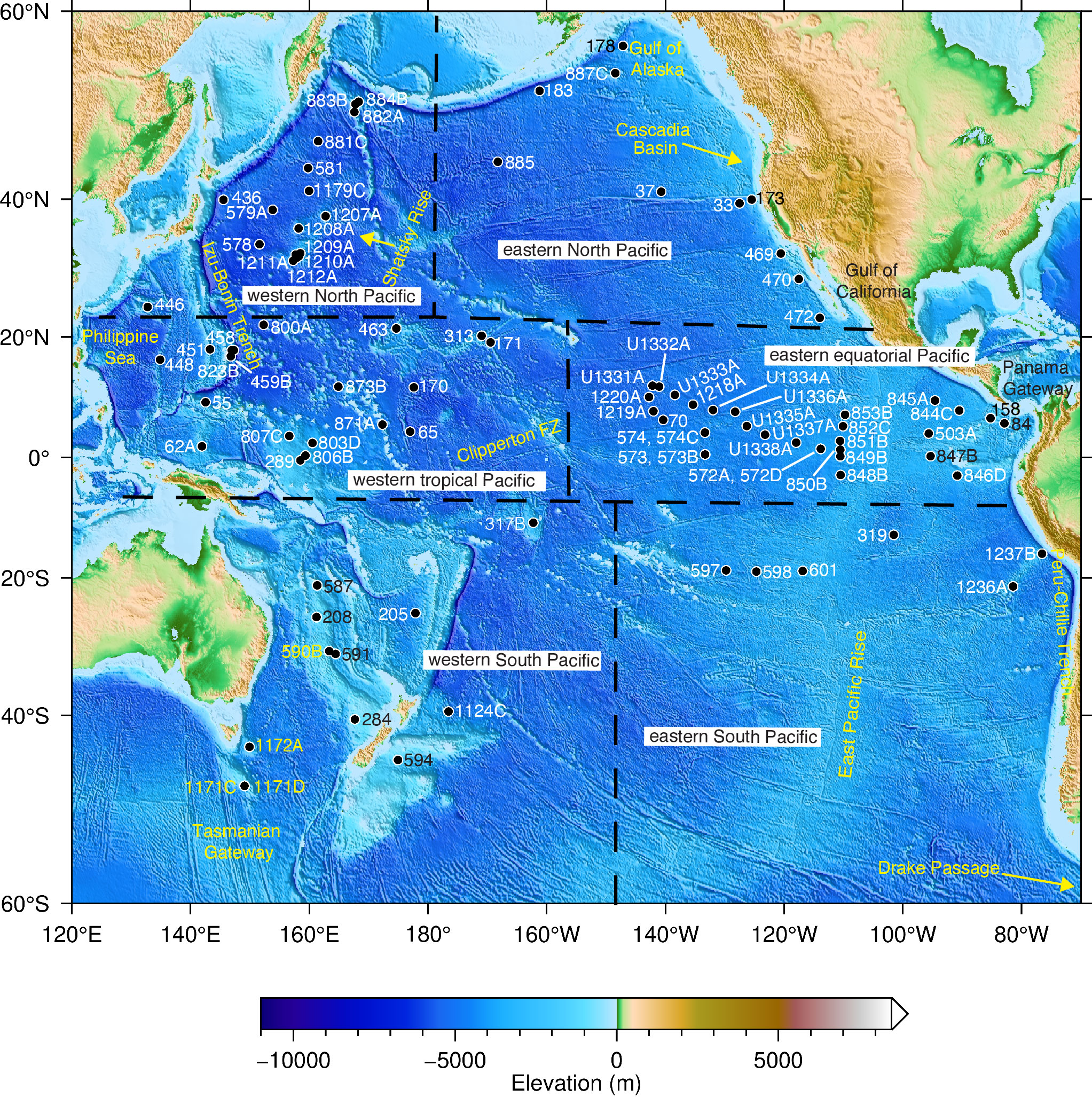
Deep-sea carbonates constitute the primary deep carbon reservoir, playing a critical role in regulating the long-term global carbon cycle. Reconstructing the temporal evolution of carbonate flux to the seafloor requires estimating the changes in carbonate compensation depth (CCD), a key proxy, revealing the depth where the rate of calcium carbonate supply from biogenic ooze equals … Read more…

Subducting seafloor anomalies promote porphyry copper formation

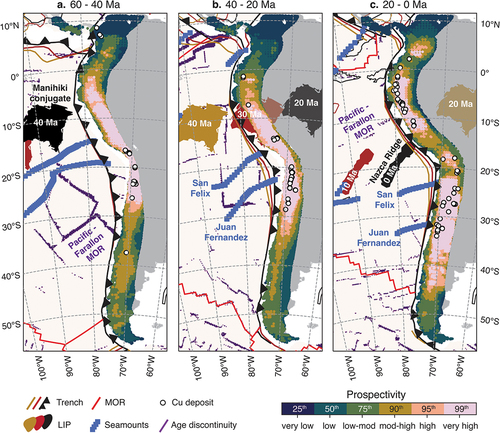
Oceanic seafloor is scarred by age discontinuities, seamounts, and large igneous provinces (LIPs) over normal bathymetry. The recycling of these seafloor anomalies has been speculated to alter subduction regimes which may locally prime some regions for porphyry copper deposit formation. Using a tectonic plate reconstruction encompassing the last 100 Ma paired with a machine learning classifier … Read more…

A tectonically driven 60 million-year biogeochemical redox cycle paces marine biodiversity

The fossil record shows a prominent 60 million-year biodiversity cycle during the Phanerozoic Eon, the origin of which is still unknown. Here we use time-series analysis and correlation of empirical and model datasets of Earth’s interior and sur cial processes to demonstrate that this cycle is a pervasive feature in marine animal genus-level diversity data … Read more…

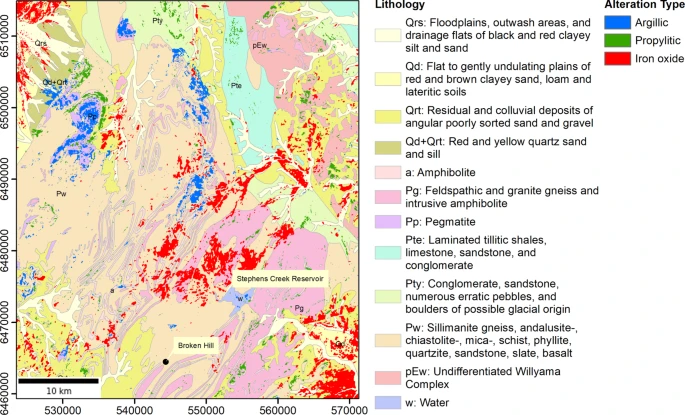
Convolutional Neural Networks for Mineral Prospecting Through Alteration Mapping with Remote Sensing Data

Traditional geological mapping methods, which rely on field observations and rock sample analysis, are inefficient for continuous spatial mapping of geological features such as alteration zones. Deep learning models such as convolutional neural networks (CNNs) have ushered in a transformative era in remote sensing data analysis. CNNs excel in automatically extracting features from image data … Read more…

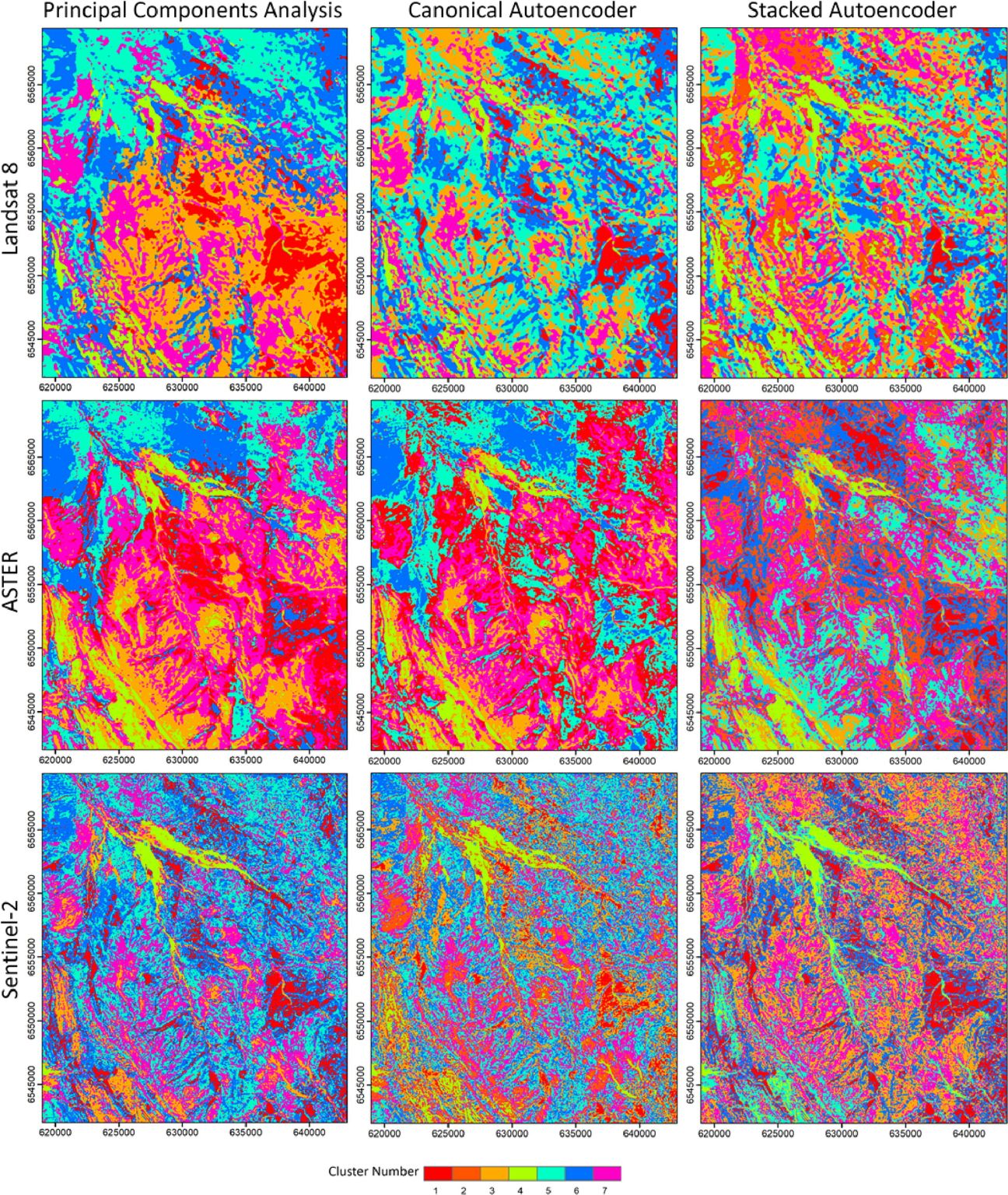
Remote sensing framework for geological mapping via stacked autoencoders and clustering

Supervised machine learning methods for geological mapping via remote sensing face limitations due to the scarcity of accurately labelled training data that can be addressed by unsupervised learning, such as dimensionality reduction and clustering. Dimensionality reduction methods have the potential to play a crucial role in improving the accuracy of geological maps. Although conventional dimensionality … Read more…

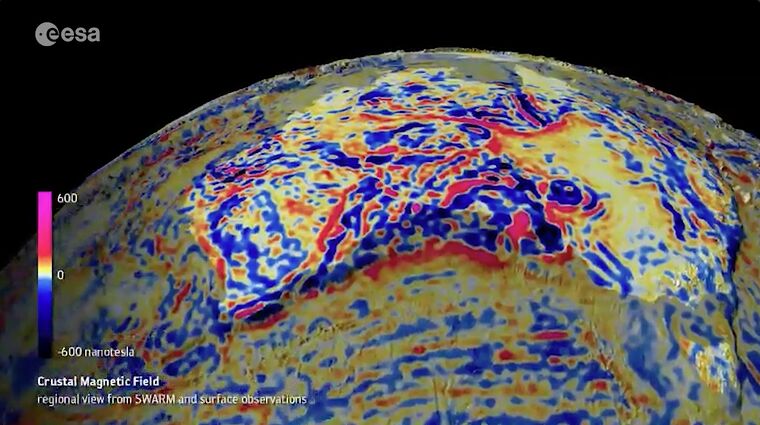
Magnetization of Oceanic Lithosphere From Modeling of Satellite Observations

Magnetic observations from the oceans have made fundamental contributions to our knowledge of plate motions and the evolution of the geomagnetic field over the past ∼200 Myr. Here we construct updated models of magnetization for the oceanic lithosphere, taking advantage of the most recent models for Earth’s past plate motions. We then evaluate these models using … Read more…

Machine Learning and Big Data Mining Reveal Earth’s Deep Time Crustal Thickness and Tectonic Evolution: A New Chemical Mohometry Approach

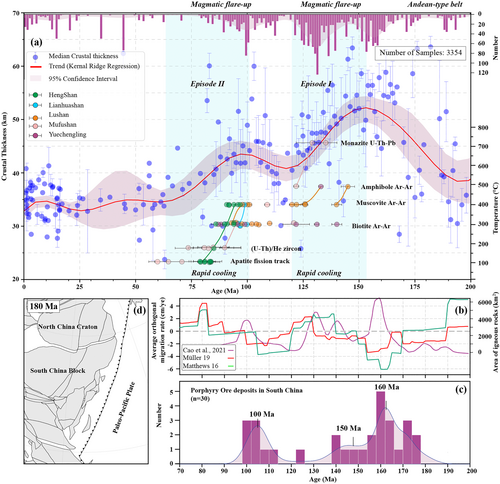
Quantitative analysis of crustal thickness evolution across deep time poses critical insights into the planet’s geological history. It may help uncover new areas with potential critical mineral deposits and reveal the impacts of crustal thickness and elevation changes on the development of the atmosphere, hydrosphere, and biosphere. However, most existing estimation methods are restricted to … Read more…

Machine Learning-Based Spatio-Temporal Prospectivity Modeling of Porphyry Systems in the New Guinea and Solomon Islands Region

Abstract. The discovery of new economic copper deposits is critical for the development of renewable energy infrastructure and zero-emissions transport. The majority of existing copper mines are located within current or extinct continental arc systems, but our understanding of the tectonic and geodynamic conditions favoring the formation of porphyry systems is still incomplete. Traditionally, exploration … Read more…

Phanerozoic icehouse climates as the result of multiple solid-Earth cooling mechanisms

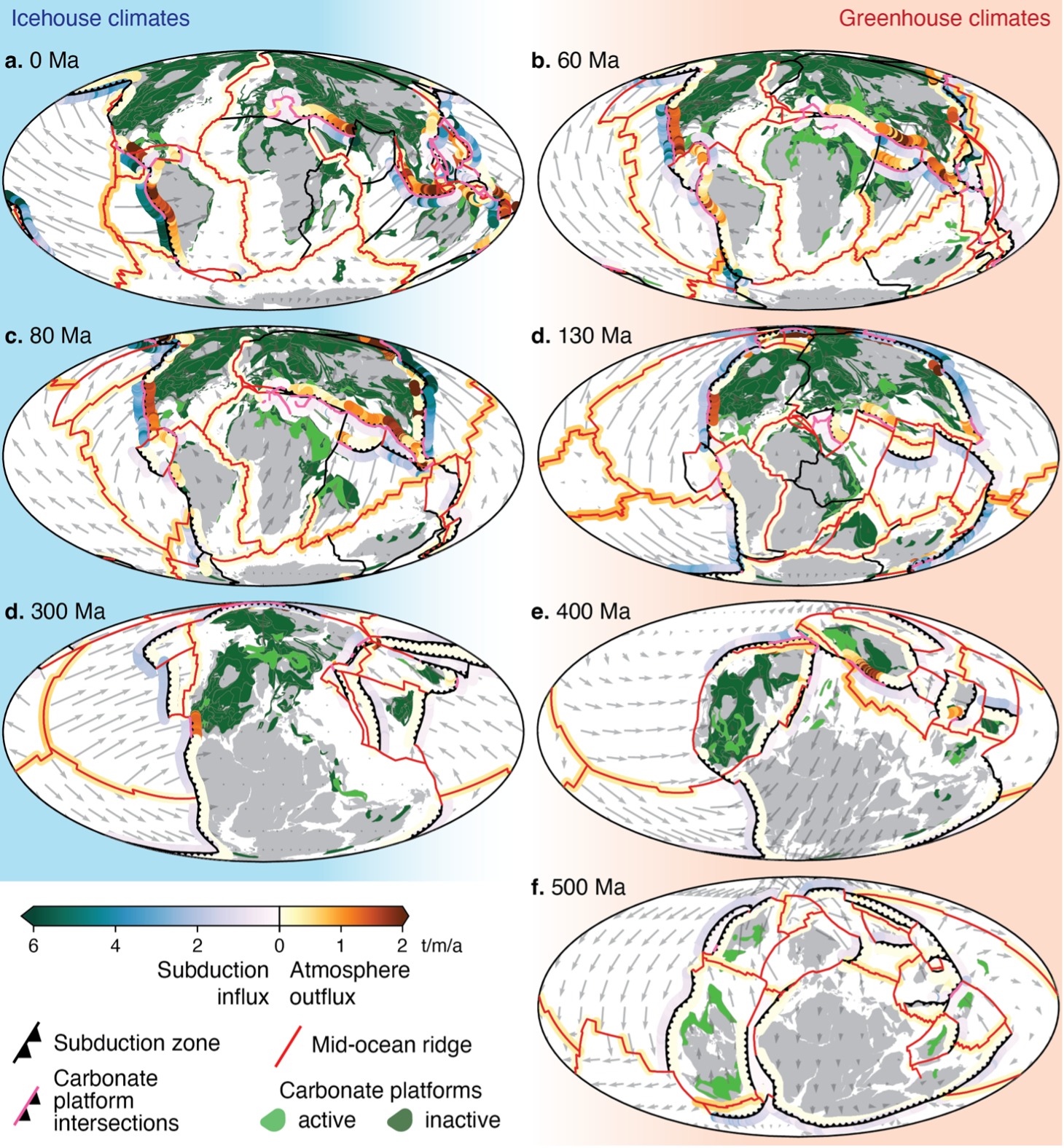
The Phanerozoic climate has been interrupted by two long “icehouse” intervals, including the current icehouse of the last ~34 million years. While these cool intervals correspond to lower atmospheric CO2, it is unclear why CO2 levels fell, with hypotheses suggesting changes in CO2 degassing rates or modification of silicate weathering through changing continental lithology or paleogeography. Here, … Read more…

Lamprophyres, gold and orogenies: a mineral systems perspective

The common spatial and temporal association of calk alkaline lamprophyres with orogenic gold deposits has been recognized for more than a century, although interpretations regarding the significance of this association have varied greatly. A persistent lack of consensus on Archean geodynamics and the deposits themselves presented a challenge to the use of a Mineral Systems … Read more…

pide: Petrophysical Interpretation tools for geoDynamic Exploration

pide is a Python library for calculating geophysical parameters (e.g., electrical conductivity, seismic velocity), employing the results from experimental petrology, mineral/rock physics, and thermomechanical modelling studies. pide can calculate the theoretical electrical conductivity of any Earth material that exists in the literature. pide can also calculate seismic velocity utilising the external ‘sister’ library SAnTex. Using … Read more…

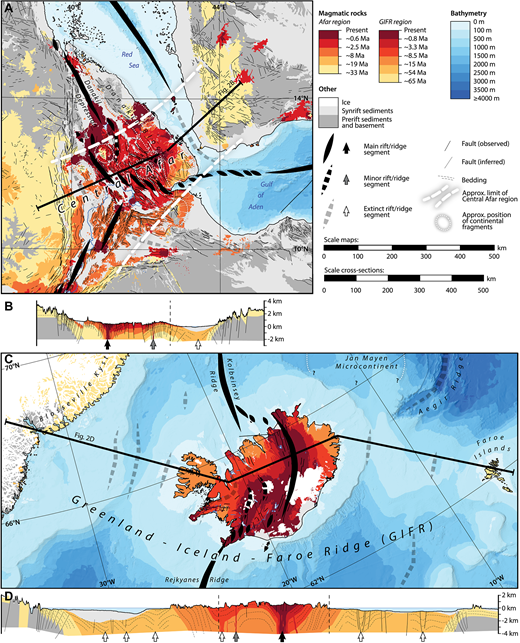
Central Afar: An analogue for oceanic plateau development

The structure, composition, and evolution of oceanic plateaus are poorly understood and strongly debated. Here, we compared the magmatic history and crustal structure of Afar with the Greenland–Iceland–Faroe Ridge and other oceanic plateaus. Key similarities indicate that Central Afar represents the early stage of development of a specific type of oceanic plateau: a rifted oceanic … Read more…

Lithospheric Evolution and Uplift of the Tibetan Plateau During Continental Convergence: Evidence From Early Oligocene Pseudo leucite Phonolites from Southern Qian tang, Central Tibet

The Cenozoic collision of India and Eurasia clearly built the high-elevation Tibetan Plateau, but how this collision was accommodated, and the Tibetan Plateau uplifted, remains an area of study. The widespread occurrence of Cenozoic potassic–ultrapotassic lavas provides a valuable opportunity to constrain the relationship between surface deformation and underlying geodynamic processes. In this study, we … Read more…

Identifying Recycled Materials Using Mo Isotopes in Intraplate Alkali Basalts From the Southeastern Margin of Tibetan Plateau

Mantle heterogeneity in lithology and geochemistry is often attributed to recycled subducted materials. While distinct mantle end-members are identified by radiogenic isotopes, the specific recycled materials contributing to this heterogeneity remain debated. This study presents Mo-Sr-Nd-Pb isotopic data for OIB-like alkali basalts from the Maguan area in the southeastern Tibetan Plateau, focusing on slab inputs’ … Read more…