

Birth of the viru microplate triggered by Pacific-Farallon plate reorganization

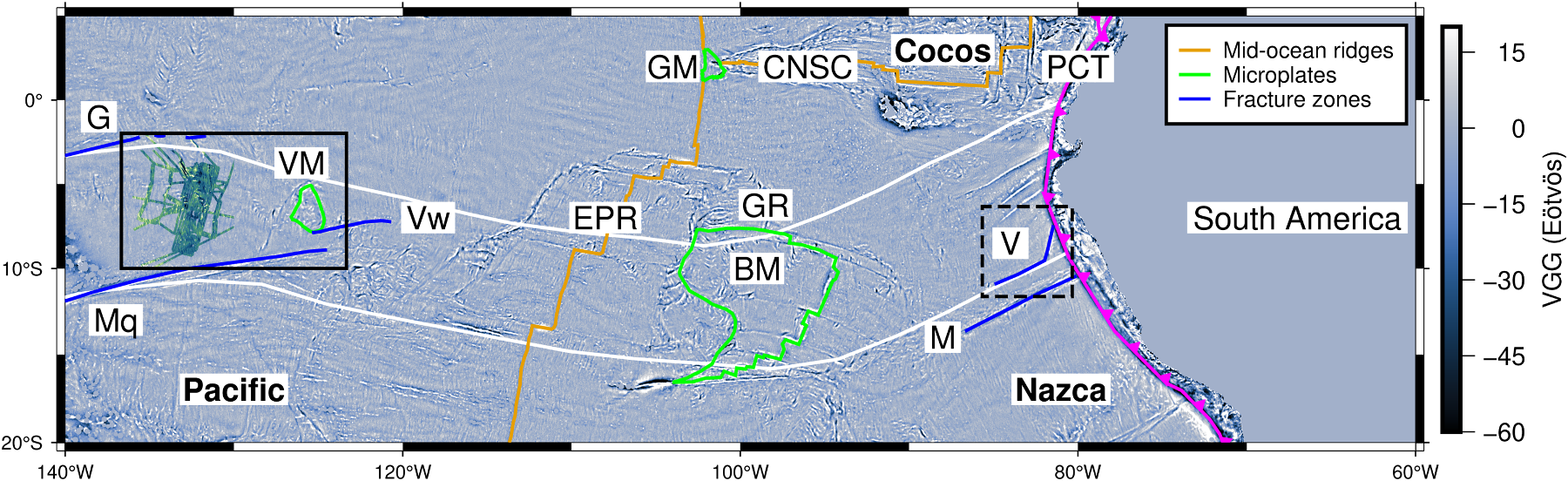
Satellite gravity map of the southeastern Pacific Ocean showing spreading ridges, fracture zones and the Viru Microplate study area.

The Viru Microplate study uses high-resolution satellite gravity data together with new shipboard bathymetry to reveal a previously unknown episode of chaotic seafloor spreading between 44 and 28 million years ago at the Pacific-Farallon plate boundary. This episode produced a newly identified microplate, named the Viru Microplate, along with ridge jumps and propagating spreading ridges. … Read more…

Sydney geoscientist explains the hidden force behind the Tasman Sea’s twin volcano chains in The Conversation

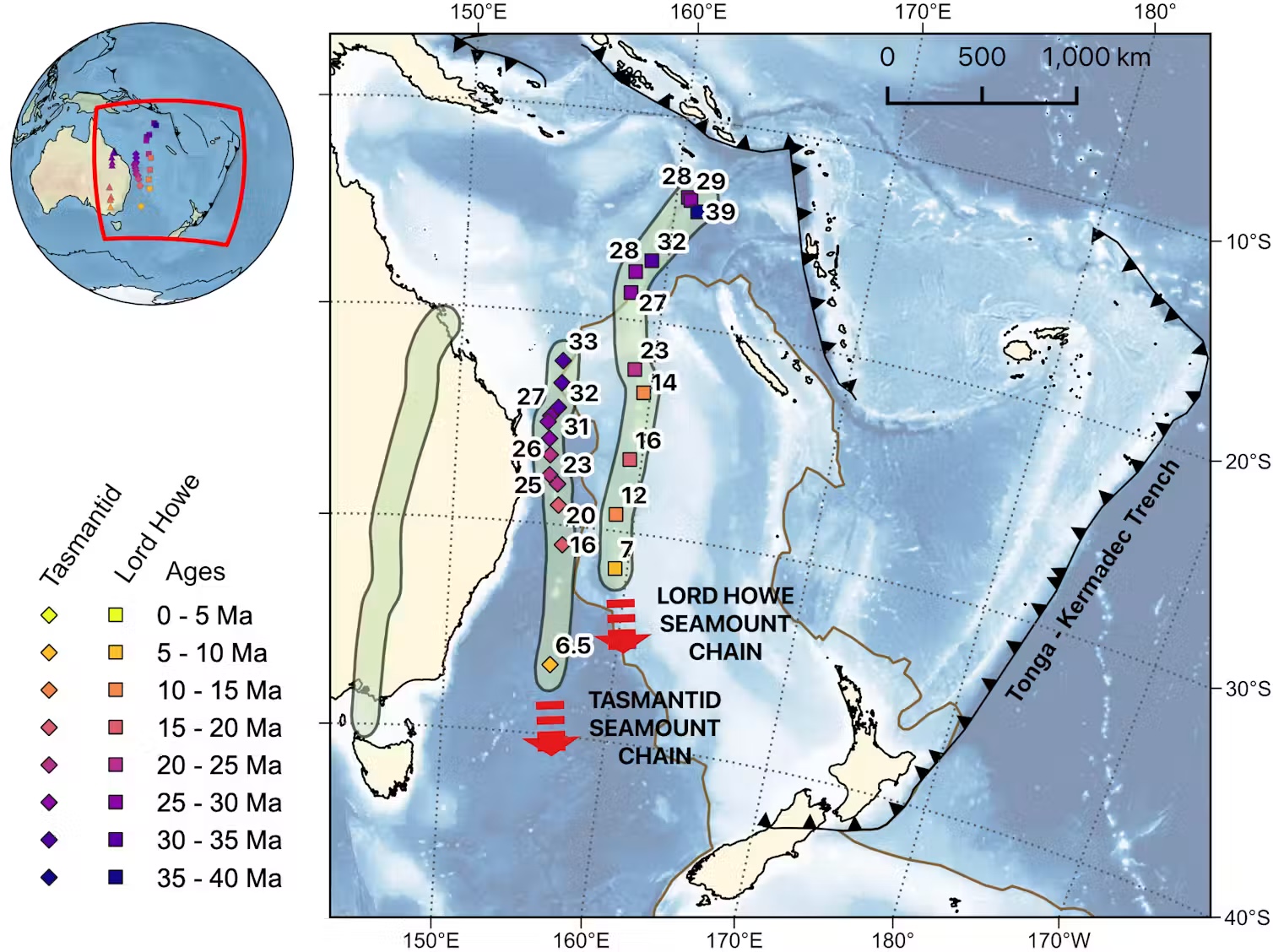
Congratulations to Associate Professor Maria Seton from the School of Geosciences. Her research on the origins of two underwater volcano chains in the Tasman Sea is featured in The Conversation. In the article, published on 18 September 2026, Associate Professor Seton and co-author Dr Ben Mather (ARC Early Career Industry Fellow, University of Melbourne) explain … Read more…

Maria Seton awarded S.W. Carey Medal for tectonics research

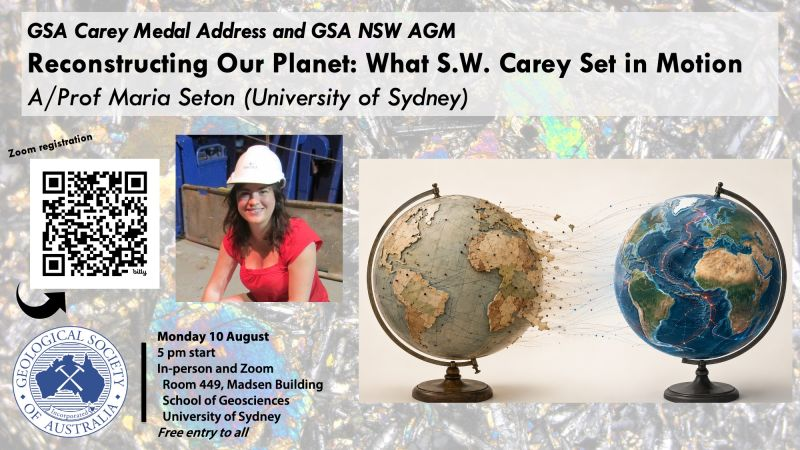
Event flyer showing a photo of A/Prof Maria Seton beside two globes linked by tectonic plate lines, with event and QR code details.

Congratulations to A/Prof Maria Seton, who has been awarded the S.W. Carey Medal from the Geological Society of Australia for her outstanding contribution and impact in the field of tectonics. The award was announced at the Australian Earth Sciences Convention in Melbourne, as part of the Geological Society of Australia’s 2026 national awards. A/Prof Seton … Read more…

Parallel volcanic chains generated by plume-slab interaction

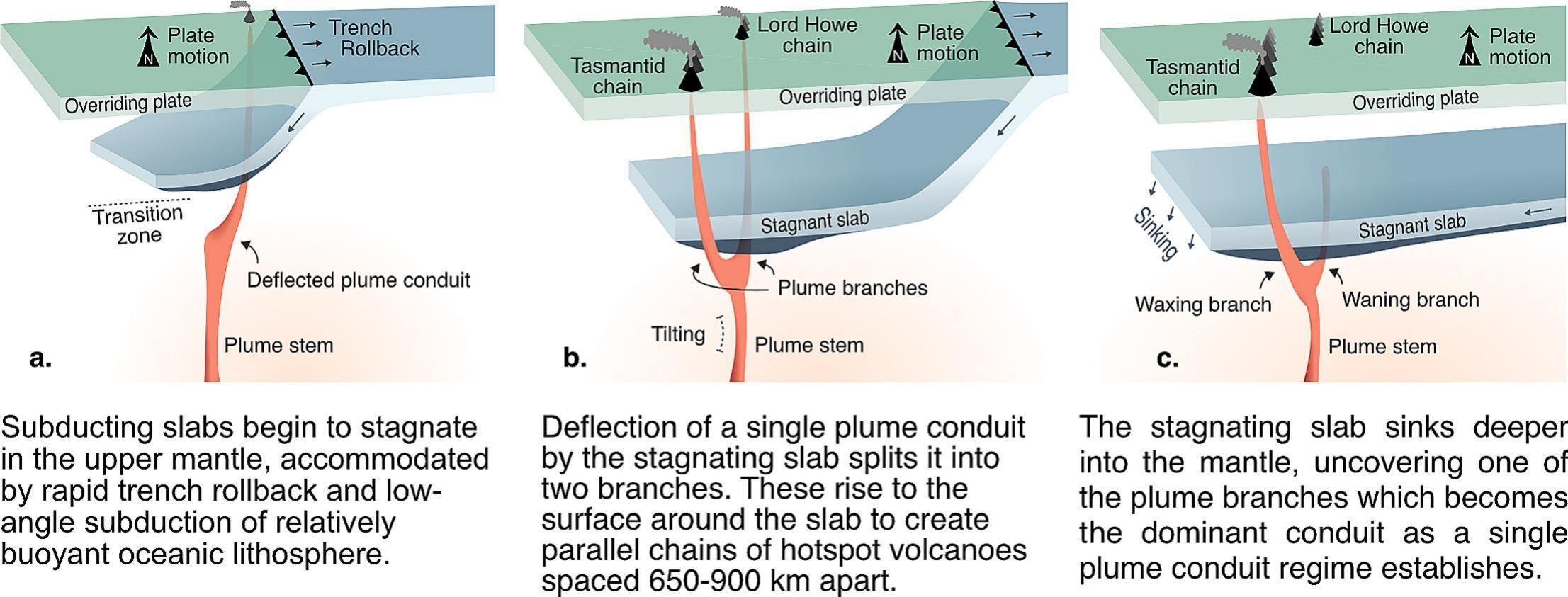
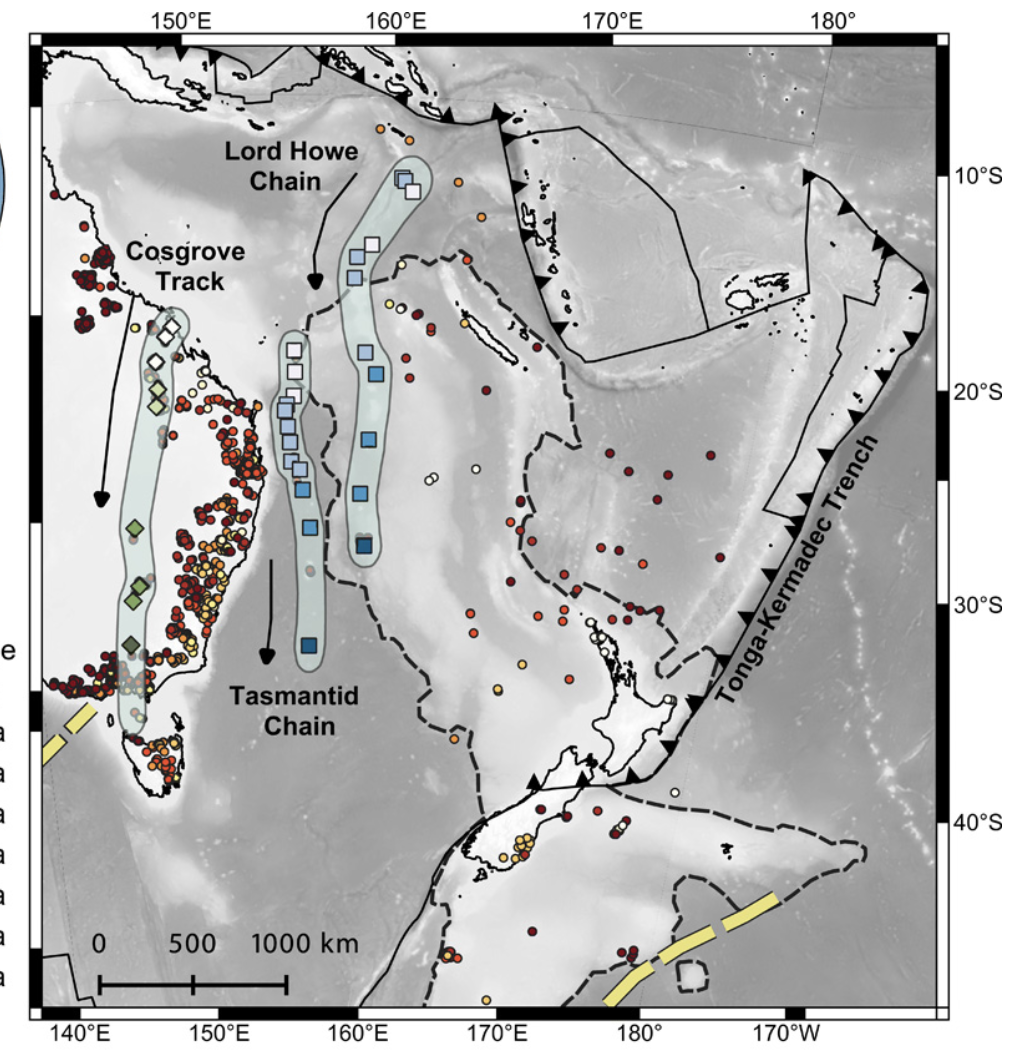
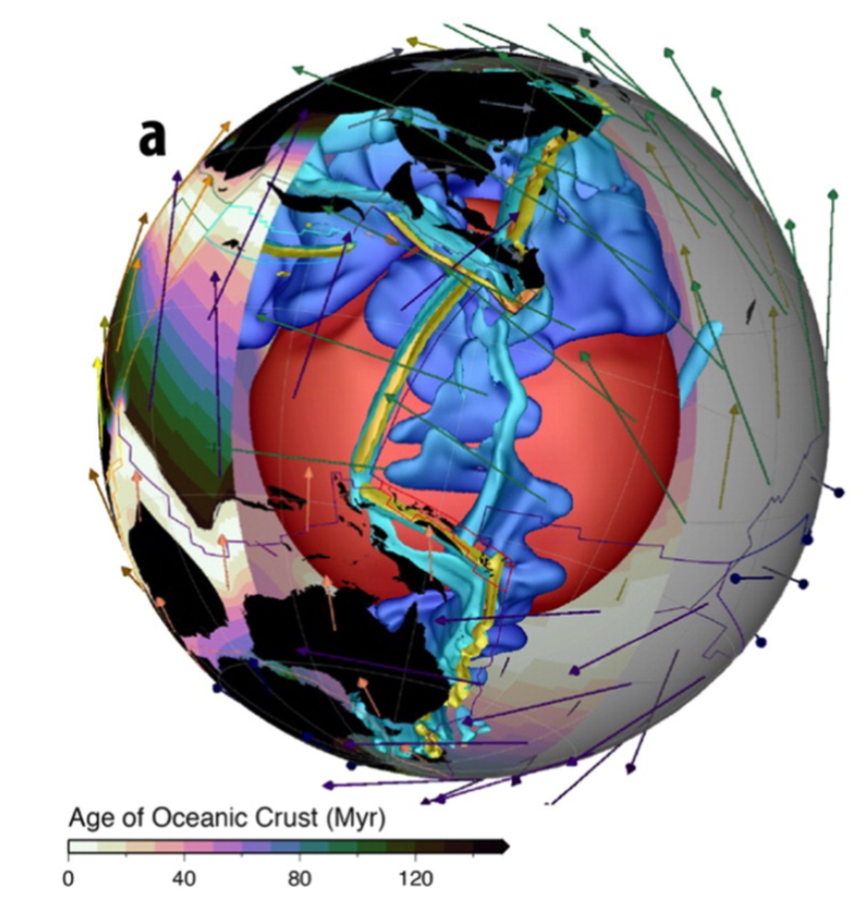
Figure from Mather et al. (2026)

Using a 3D numerical model of mantle convection, the authors show how a single deep mantle plume can be split into two long-lived branches by a stagnating slab in the upper mantle, producing parallel volcanic chains. This explains why the Lord Howe and Tasmantid seamount chains in the SW Pacific have stayed 650–900 km apart … Read more…

STELLAR – Spatio TEmporaL expLorAtion for Resources

stellar_logo_light

Project STELLAR (Spatio TEmporaL expLorAtion for Resources) is a collaboration between BHP and the EarthByte Group aimed at implementing big and complex spatio-temporal data analysis and modelling to support the needs of BHP in global resource exploration. Split into multiple phases over the next 3.5 years, the project will connect BHP’s warehouse of global resource knowledge with … Read more…

Intraplate volcanism triggered by bursts in slab flux

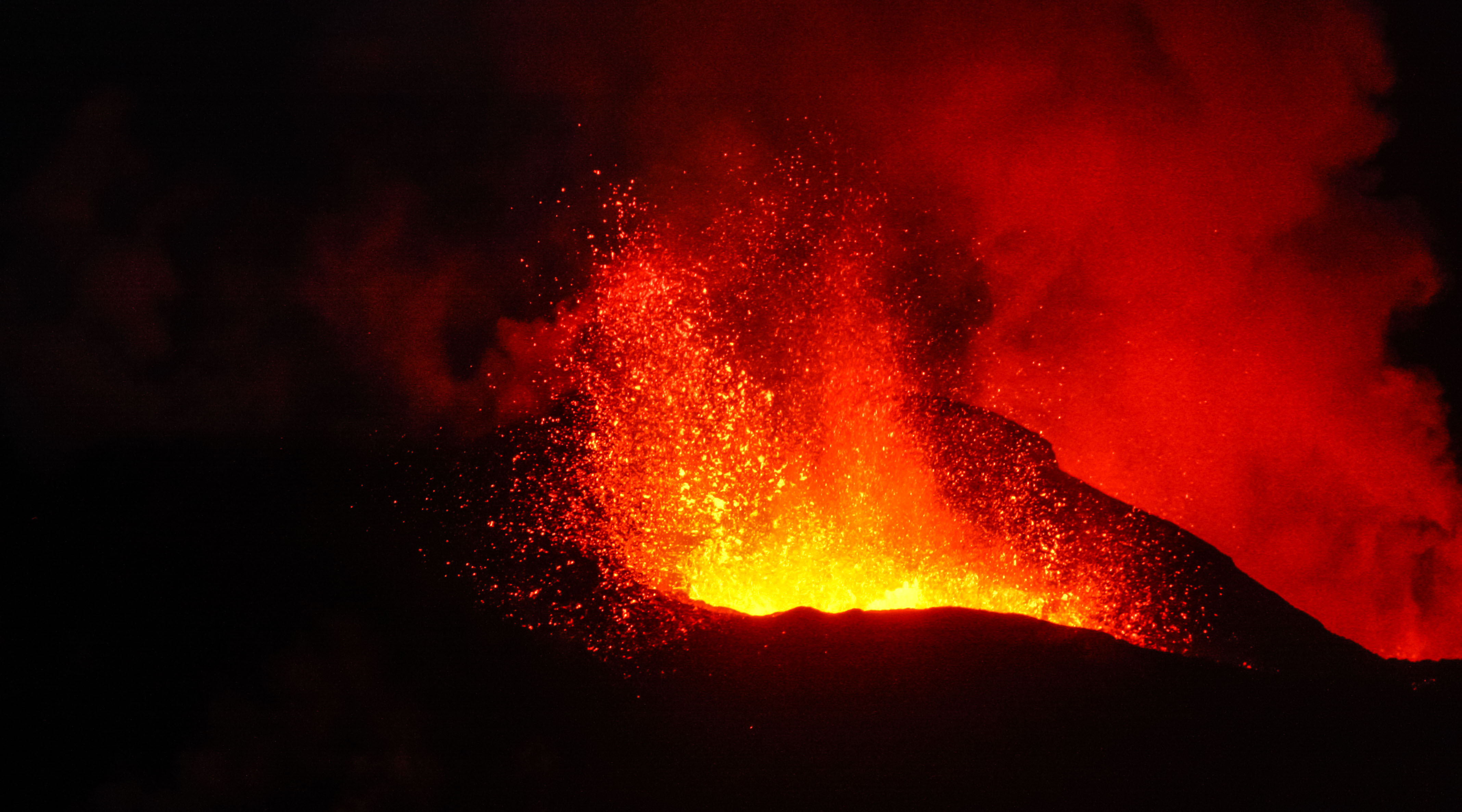
Long-lived, widespread intraplate volcanism without age progression is one of the most controversial features of plate tectonics. Previously proposed edge-driven convection, asthenospheric shear, and lithospheric detachment fail to explain the ~5000-km-wide intraplate volcanic province from eastern Australia to Zealandia. We model the subducted slab volume over 100 million years and find that slab flux drives … Read more…

PhD scholarship in plate-plume interactions

Postgraduate research scholarship at the EarthByte Group Up to $84,000 stipend scholarship to support a PhD student to research plate-plume interactions.   Highlights Value Eligibility $28,000 pa (for up to 3 years) Full-time PhD student at the School of Geosciences Hold an honours or master’s degree How to apply Send expressions of interest to Dr … Read more…

A global dataset of present-day oceanic crustal age and seafloor spreading parameters

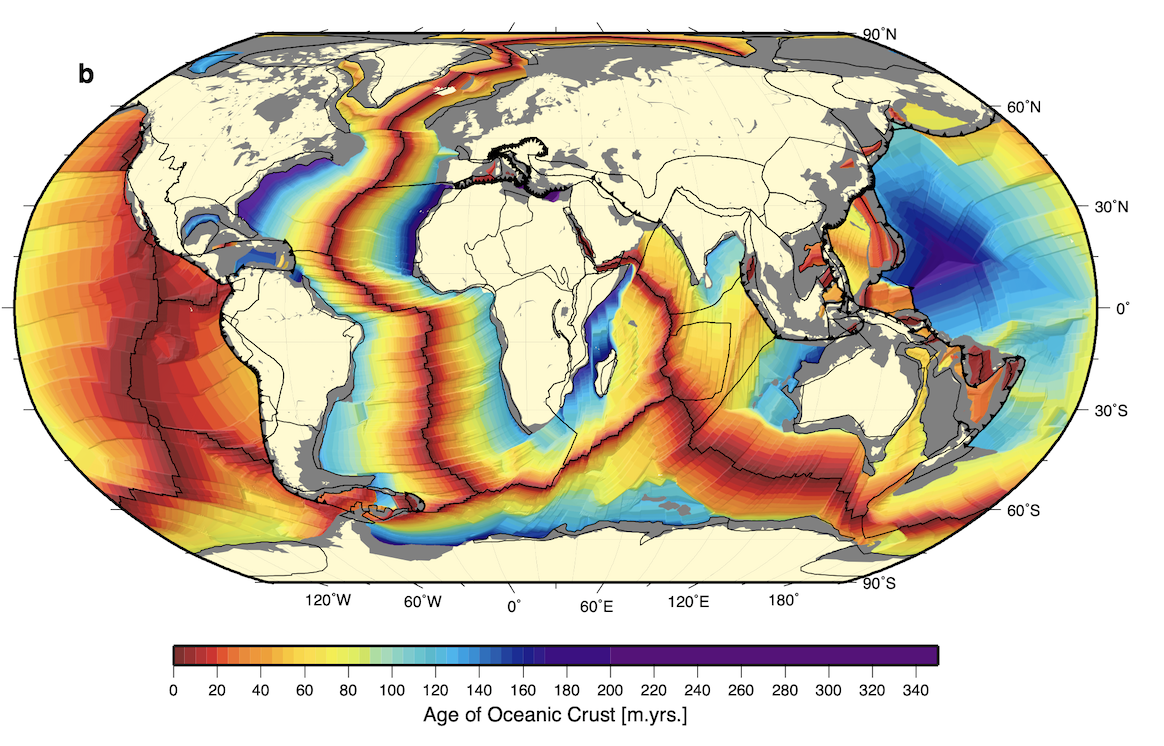
Abstract: We present an updated oceanic crustal age grid and a set of complementary grids including spreading rate, asymmetry, direction and obliquity. Our dataset is based on a selected set of magnetic anomaly identifications and the plate tectonic model of Müller et al. (2019). We find the mean age of oceanic crust is 64.2 Myrs, … Read more…

Kinematic and geodynamic evolution of the Isthmus of Panama region: Implications for Central American Seaway closure

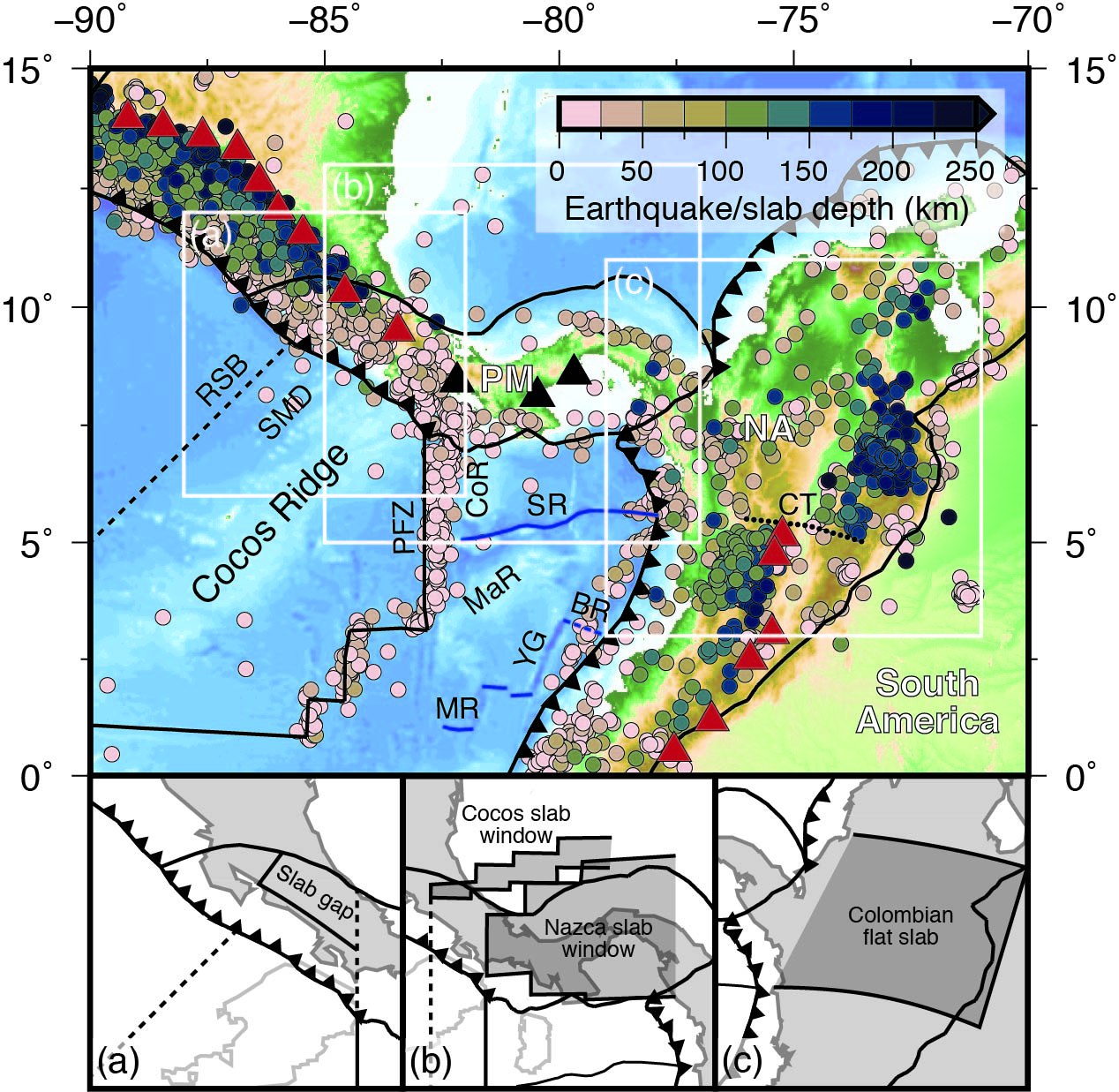
Abstract: A major topic of debate in Earth and climate science surrounds the timing of closure of the Central American Seaway. While it is clear that the gateway was closed by ~2.8 Ma, recent studies based on geological and marine molecular evidence have suggested an earlier closing time of early to mid-Miocene. Here, we examine … Read more…

Sea level fluctuations driven by changes in global ocean basin volume following supercontinent break-up

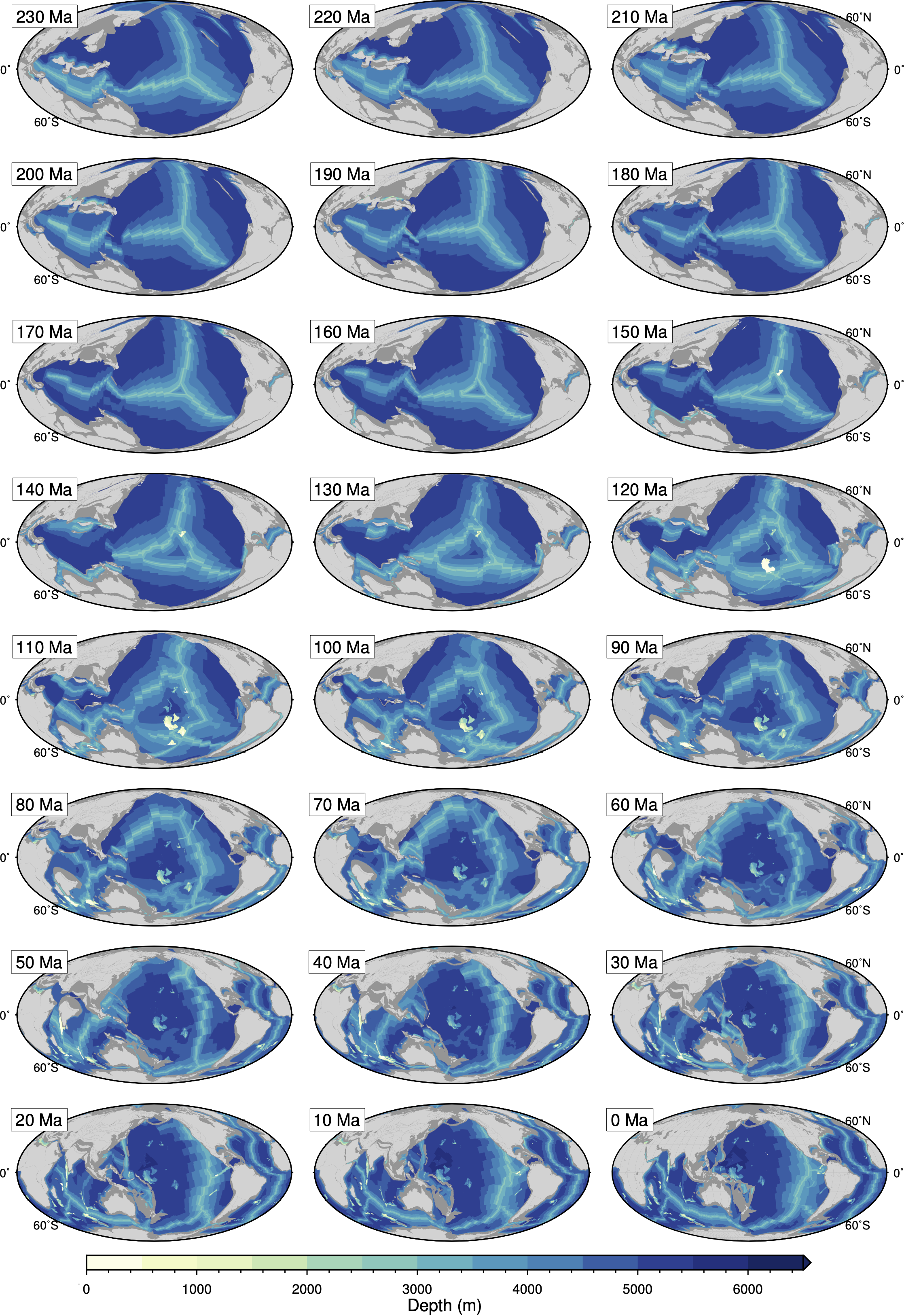
Abstract: Long-term variations in eustatic sea level in an ice-free world, which existed through most of the Mesozoic and early Cenozoic eras, are partly driven by changes in the volume of ocean basins. Previous studies have determined ocean basin volume changes from plate tectonic reconstructions since the Mesozoic; however, these studies have not considered a … Read more…

A Quantitative Tomotectonic Plate Reconstruction of Western North America and the Eastern Pacific Basin

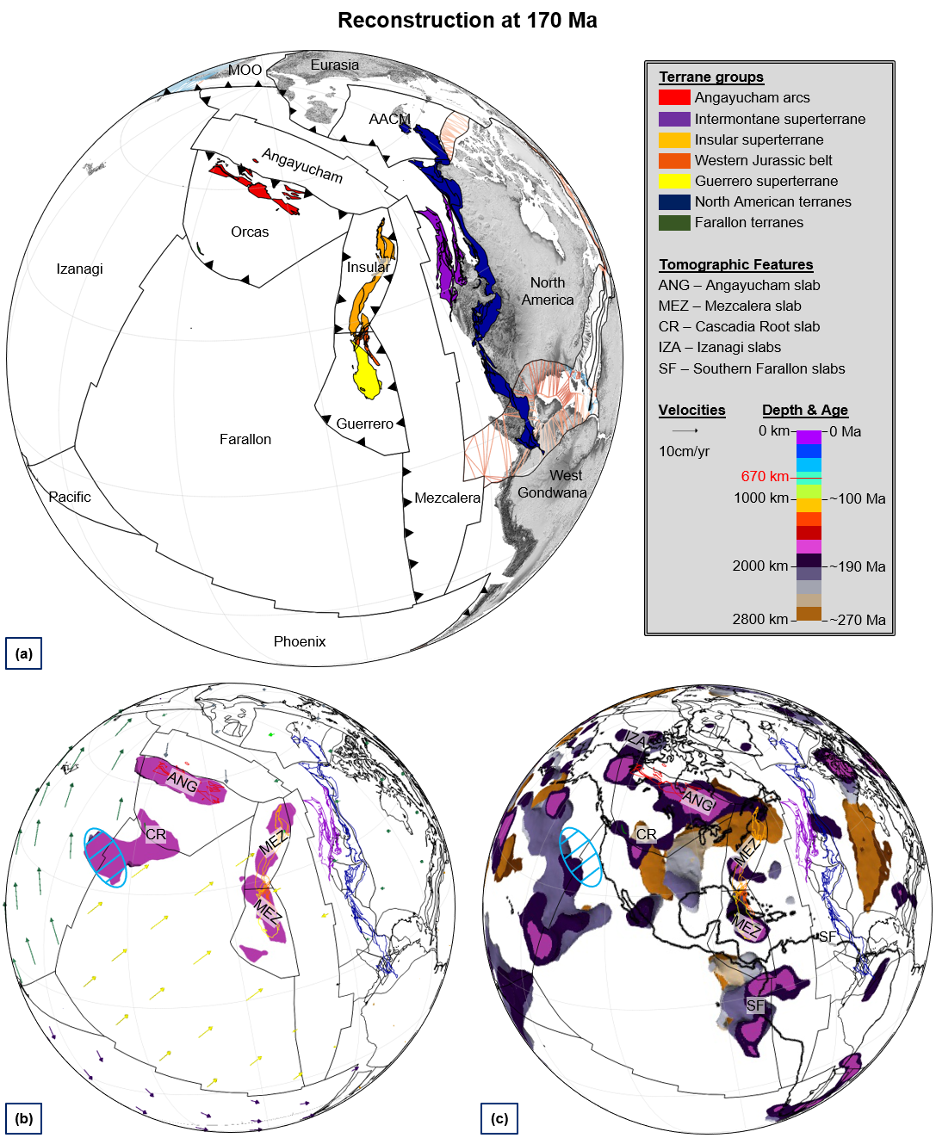
Abstract: Plate reconstructions since the breakup of Pangaea are mostly based on the preserved spreading history of ocean basins, within absolute reference frames that are constrained by a combination of age-progressive hotspot tracks and palaeomagnetic data. The evolution of destructive plate margins is difficult to constrain from surface observations as much of the evidence has … Read more…

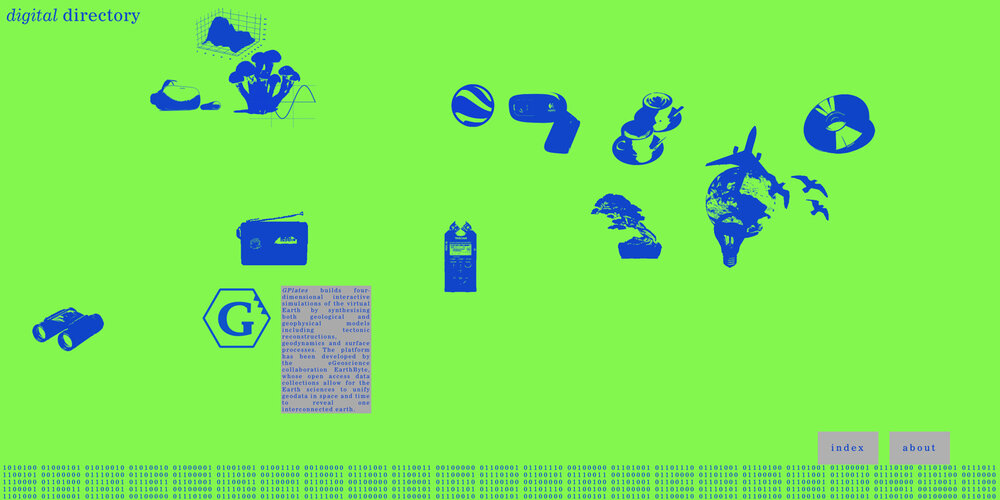
GPlates x Digital Directory: re-linking people with earth system science in an opportune moment of pause

COVID-19 has stimulated both major behavioural change during lockdown; and new thoughts, experiments and even dreams as many of our human-created systems have come to a raging halt. As the traffic dims, we have the opportunity to ‘remind ourselves that we are embedded in a more-than-human world — and have some fun along the way … Read more…

Paper in Geological Society London Memoirs: Geodynamics of the SW Pacific: a brief review and relations with New Caledonian geology

A book chapter in: New Caledonia: Geology, Geodynamic Evolution and Mineral Resources. Geological Society, London, Memoirs, 51, 13–26, https://doi.org/10.1144/M51-2018-5 has finally been published. The book chapter, which gives a brief overview of the geodynamics of New Caledonia, was a collaboration between colleagues from New Caledonia, New Zealand, Australia and France. Abstract below: The SW Pacific … Read more…

EarthByte Honours and Masters Projects 2020

EarthByte globe icon

EarthByte has now released a list of Honours/Masters projects to be offered in 2020. These projects are outlined below. We can also tailor projects to your interests. Feel free to contact us by clicking the supervisor links below. Project Title Supervisor(s) How climate and subsidence control the sedimentation along the Norwegian Margin? Claire Mallard , … Read more…

Postgraduate opportunities with the EarthByte Group

Earthbyte

The EarthByte research group is known for pursuing open innovation, involving the collaborative development of open-source paleogeographic information system software as well as global digital data sets made available under a creative commons license. One of the fundamental aims of the EarthByte Group is geodata synthesis through space and time, assimilating the wealth of disparate … Read more…

How Earth’s continents became twisted and contorted over millions of years

Dietmar Muller, Maria Seton and Sabin Zahirovic published an article in The Conversation on How Earth’s continents became twisted and contorted over millions of years based on their recently published paper in Tectonics. Classical plate tectonic theory was developed in the 1960s. It proposed that the outer layer of our planet is made up of a small number of rigid … Read more…

GPlates-in-schools!

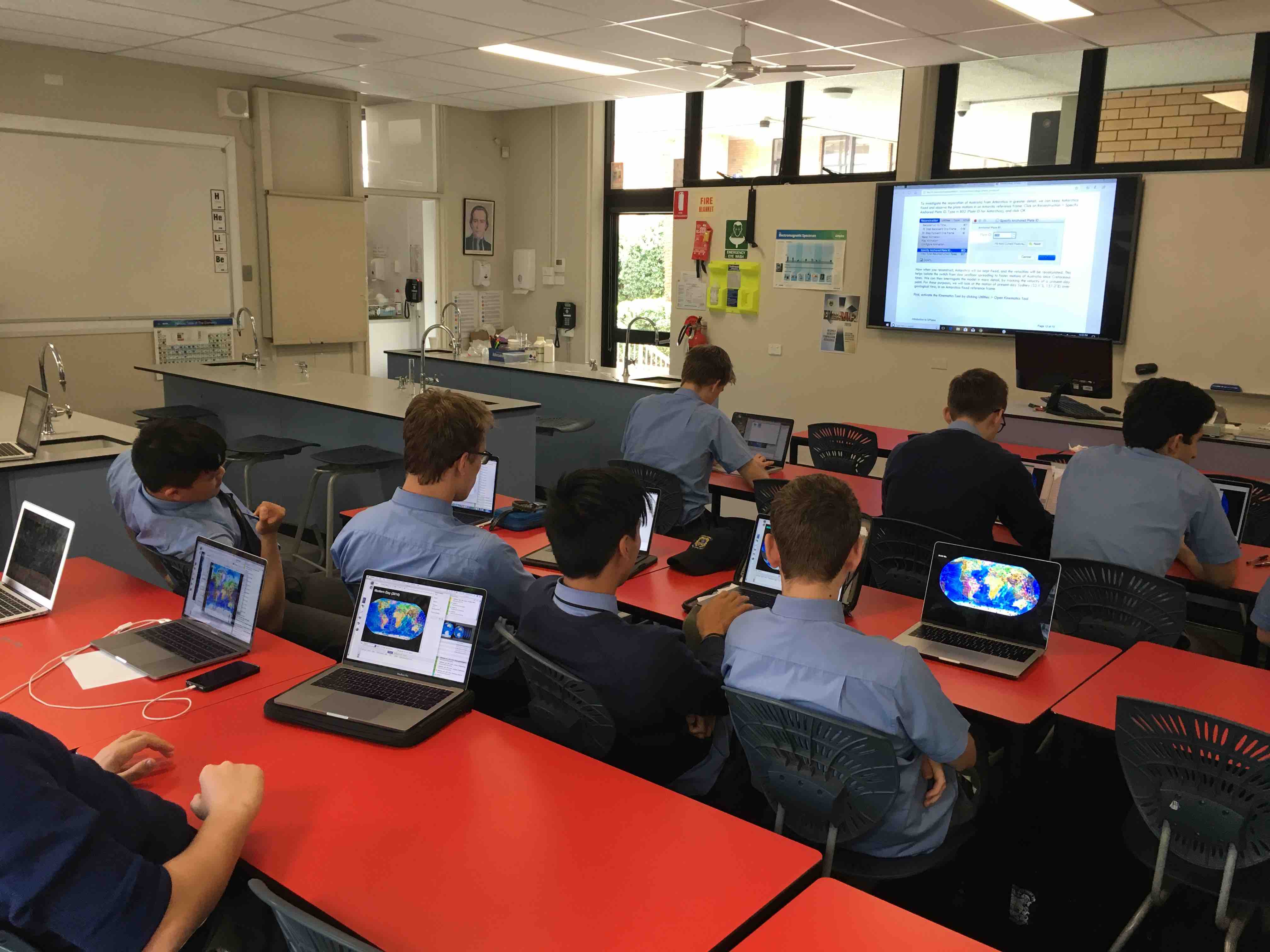
Maria Seton attended Marist College North Shore (Sydney) earlier this week and gave a presentation on “computerised simulations and models of the Earth’s geological history” to a keen group of senior science students. Part of this presentation involved leading a hands-on GPlates activity with the students (see photo). It was a hit and seeing plate … Read more…

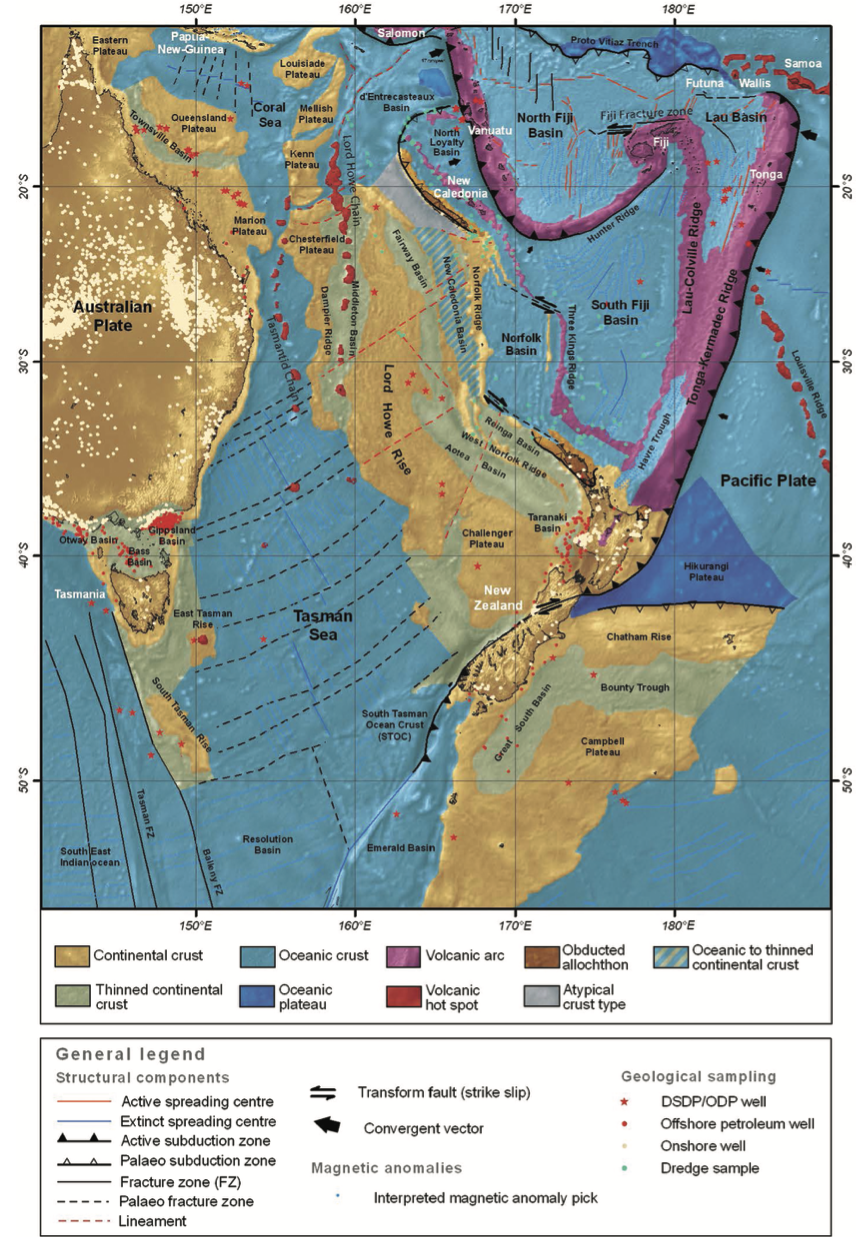
Magma production along the Lord Howe Seamount Chain, northern Zealandia

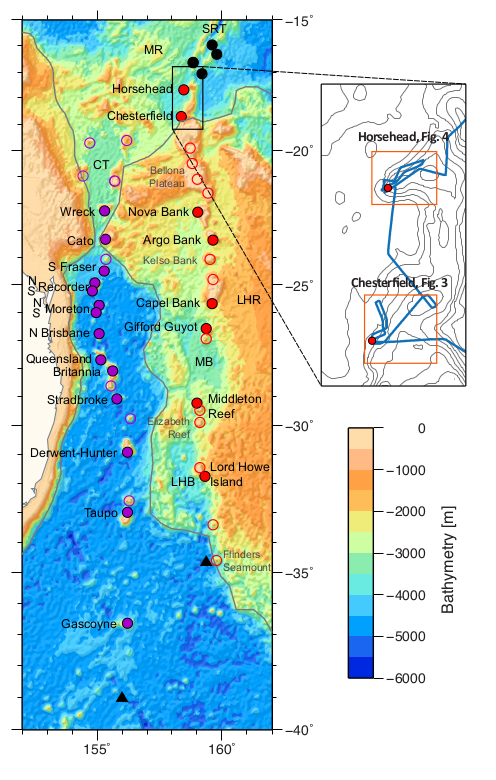
Citation: Seton, M, Williams, S.E., Mortimer, N., Meffre, S., Micklethwaite, S., Zahirovic, S., 2019, Magma production along the Lord Howe Seamount Chain, northern Zealandia, Geological Magazine, 1-13, https://doi.org/10.1017/S0016756818000912 Abstract: One of the world’s most notable intraplate volcanic regions lies on the eastern Australian plate and includes two age-progressive trails offshore (Tasmantid and Lord Howe seamount chains) and the … Read more…

“How we traced the underwater volcanic ancestry of Lord Howe Island” published this week in The Conversation

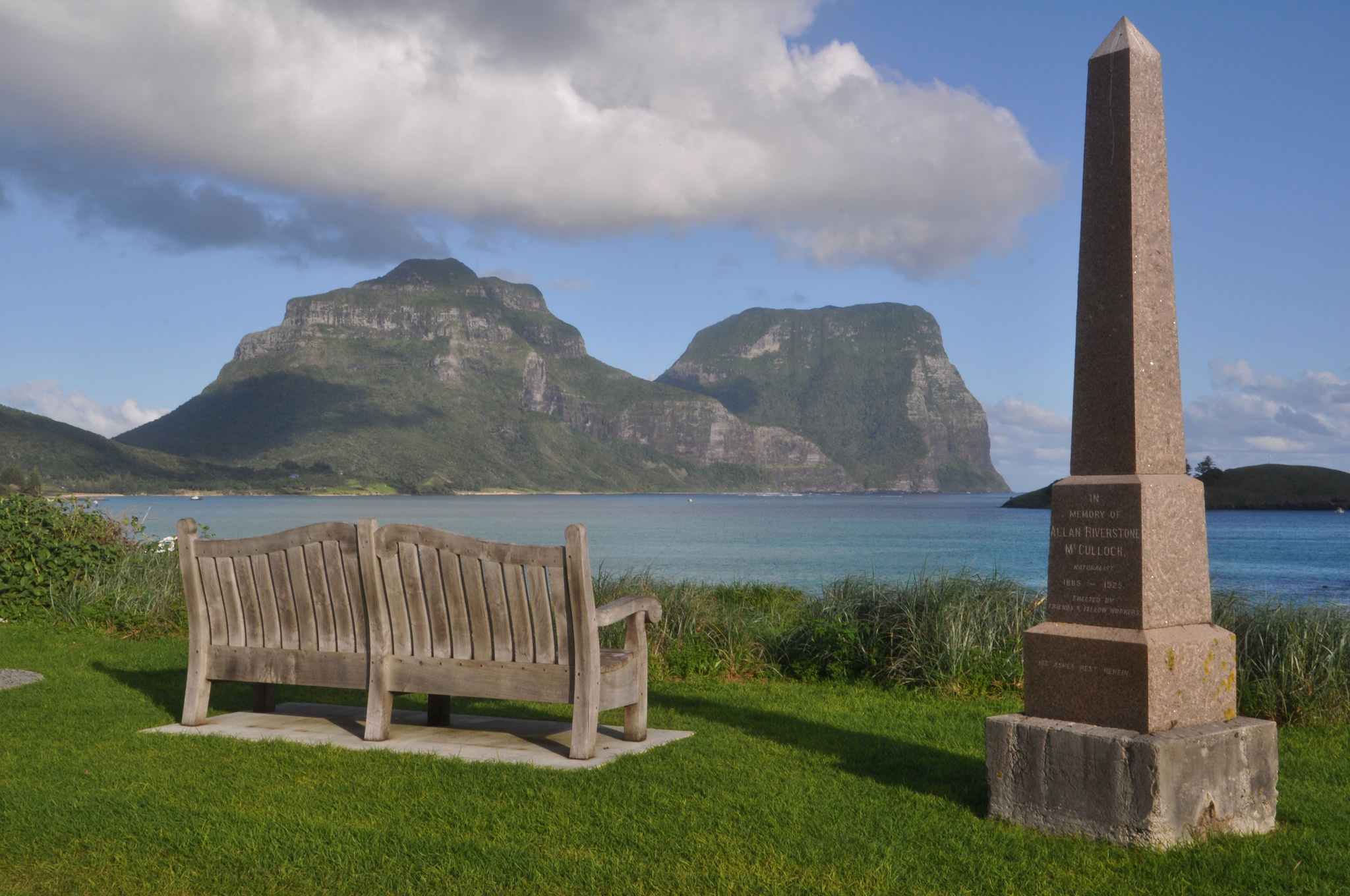
Maria Seton, Simon Williams and Nick Mortimer (GNS Science) published an article in The Conversation on the underwater volcanic ancestry of Lord Howe Island based on their recently published paper in Geological Magazine.   “Lord Howe Island is a beautiful and incredibly isolated world heritage site some 600km off the coast of New South Wales, lauded for … Read more…

Geodynamic reconstruction of an accreted Cretaceous back-arc basin in the Northern Andes

Abstract A complex history of subduction, back-arc basin formation, terrane accretion and transpressional shearing characterizes the evolution of the Caribbean and northern South American margin since Jurassic times. Quantitative plate tectonic reconstructions of the area do not include Jurassic-Cretaceous back-arc terranes of which there are both geological and geophysical observations. We developed a revised plate … Read more…

EarthByte Honours and Masters Projects 2019

EarthByte globe icon

EarthByte has now released a list of Honours/Masters projects to be offered in 2019. These projects are outlined below. Project Title Supervisor(s) How is landscape complexity driving biodiversity over geological time scales? Tristan Salles & Patrice Rey How well are tectonic and climatic signals preserved in the stratigraphic record? Tristan Salles & Claire Mallard Vertical motions … Read more…

Tectonic evolution and deep mantle structure of the eastern Tethys since the latest Jurassic

Sabin Zahirovic, Kara J. Matthews, Nicolas Flament, R. Dietmar Müller, Kevin C. Hill, Maria Seton, Michael Gurnis Earth-Science Reviews Citation: Zahirovic, S., Matthews, K.J., Flament, N., Müller, R.D., Hill, K.C., Seton, M. and Gurnis, M., 2016, Tectonic evolution and deep mantle structure of the eastern Tethys since the latest Jurassic, Earth Science Reviews, 162, 293-337. The … Read more…

Regional volcanism of northern Zealandia: post-Gondwana break-up magmatism on an extended, submerged continent

Abstract Abstract: Volcanism of Late Cretaceous–Miocene age is more widespread across the Zealandia continent than previously recognized. New age and geochemical information from widely spaced northern Zealandia seafloor samples can be related to three volcanotectonic regimes: (1) age-progressive, hotspot-style, low-K, alkali-basalt-dominated volcanism in the Lord Howe Seamount Chain. The northern end of the chain (c. … Read more…

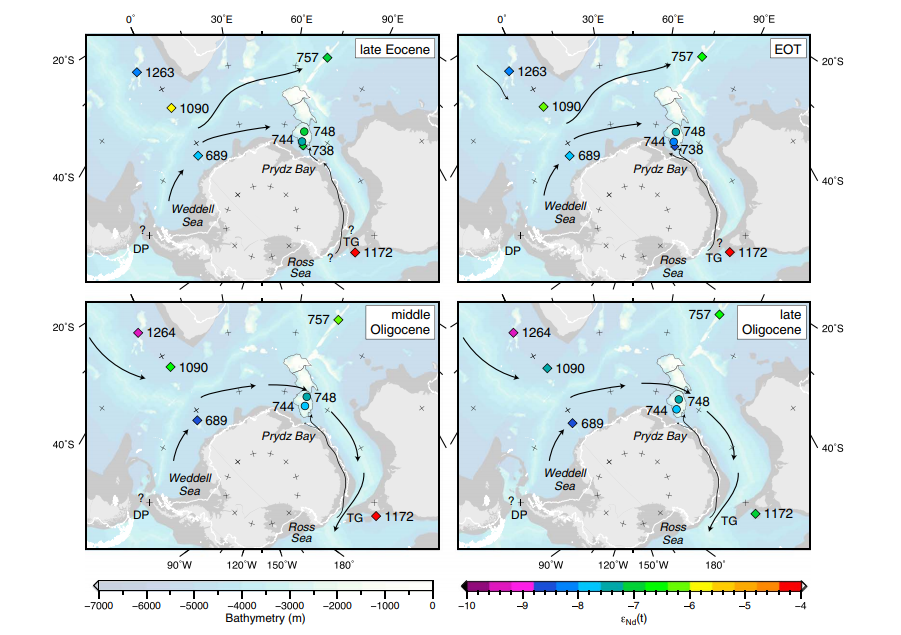
No Change in Southern Ocean Circulation in the Indian Ocean From the Eocene Through Late Oligocene

Author List: Nicky M. Wright , Howie D. Scher , Maria Seton , Claire E. Huck , and Brian D. Duggan Citation: Wright, N. M., Scher, H. D., Seton, M., Huck, C. E., & Duggan, B. D. (2018). No change in Southern Ocean circulation in the Indian Ocean from the Eocene through late Oligocene. Paleoceanography … Read more…

RV Investigator voyage funded!

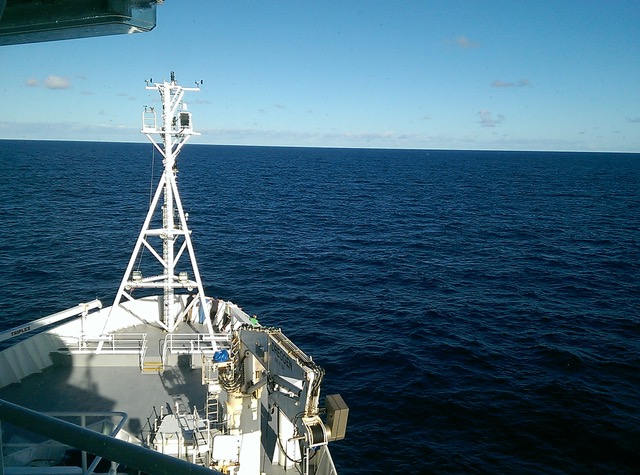
Congratulations to EarthByters Maria Seton (applicant) and Simon Williams, Jo Whittaker (Chief Scientist, UTas) and the rest of the team for their successful application for ship time on Australia’s national marine vessel, the RV Investigator! The 28 day voyage will set sail in August 2019 to investigate hotspot dynamics in the Coral Sea. One of … Read more…

EarthByte Honours and Masters Projects 2018

EarthByte globe icon

EarthByte has now released a list of Honours/Masters projects to be offered in 2018. These projects are outlined below. Project Title Supervisor(s) Dynamic Earth models, landscape dynamics and basin evolution in Australasia Dietmar Müller, Sabin Zahirovic, Tristan Salles, Rohit Chandra, Sally Cripps (Centre for Translational Data Science) Incorporating modern plate tectonic reconstructions into box models of the deep-time deep-Earth … Read more…

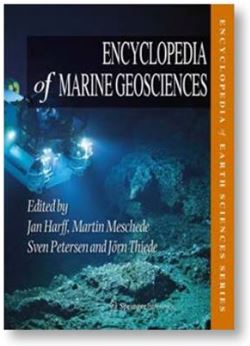
The Encyclopedia of Marine Geosciences

The Encyclopedia of Marine Geosciences was selected for the 2017 Mary B. Ansari Best Geoscience Research Resource Work Award of The Geoscience Information Society (GSIS). The formal award will be given at the GSA 2017 conference in October in Seattle/USA. EarthByters Dietmar Muller and Maria Seton contributed two chapters on “Paleophysiography of Ocean Basins” and “Plate Motion”. This Encyclopedia … Read more…

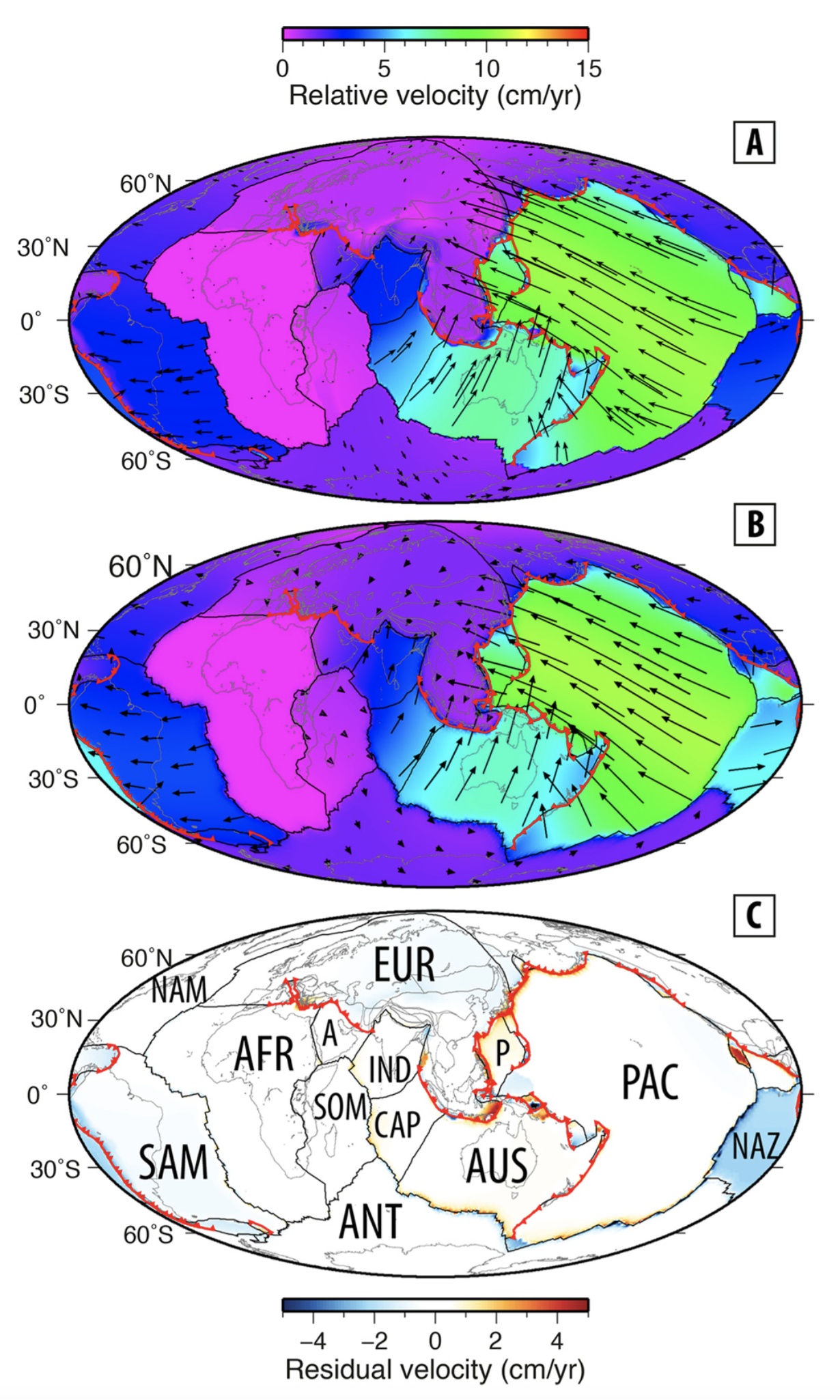
Tectonic speed limits from plate kinematic reconstructions

Abstract The motion of plates and continents on the planet’s surface are a manifestation of long-term mantle convection and plate tectonics. Present-day plate velocities provide a snapshot of this ongoing process, and have been used to infer controlling factors on the speeds of plates and continents. However, present-day velocities do not capture plate behaviour over … Read more…

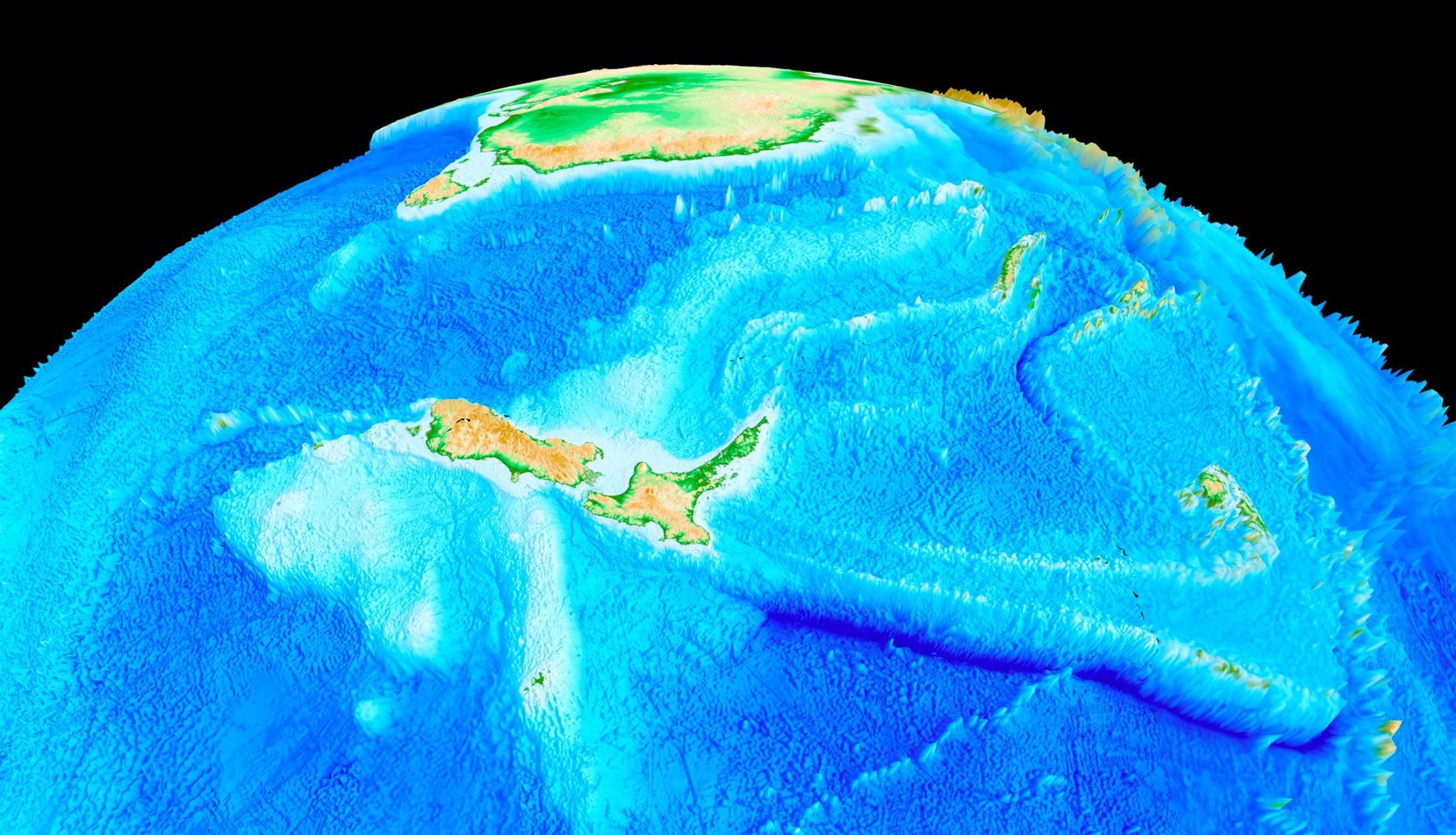
Zealandia: Earth’s Hidden Continent

ZealandiaA paper published in GSA Today, Zealandia: Earth’s Hidden Continent, by Nick Mortimer and colleagues, including EarthByte’s Dr Maria Seton, has gone viral over the last few days. In the paper, researchers have for the first time clearly defined Zealandia, a continent that includes New Zealand, New Caledonia, and the Lord Howe and Norfold Islands, that is today 94% submerged beneath the Pacific Ocean. According to GSA Today’s editors, the article is “by a long shot” their most downloaded article ever. Picked up by hundreds of media outlets worldwide, the findings of the paper has reached an estimated 720 million readers!

You can download the paper here. … Read more…

Share