DeepMIP-Eocene-p2: Experimental design for Phase 2 of the early Eocene component of the CMIP7/PMIP7 Deep-time Model Intercomparison Project (DeepMIP-Eocene)
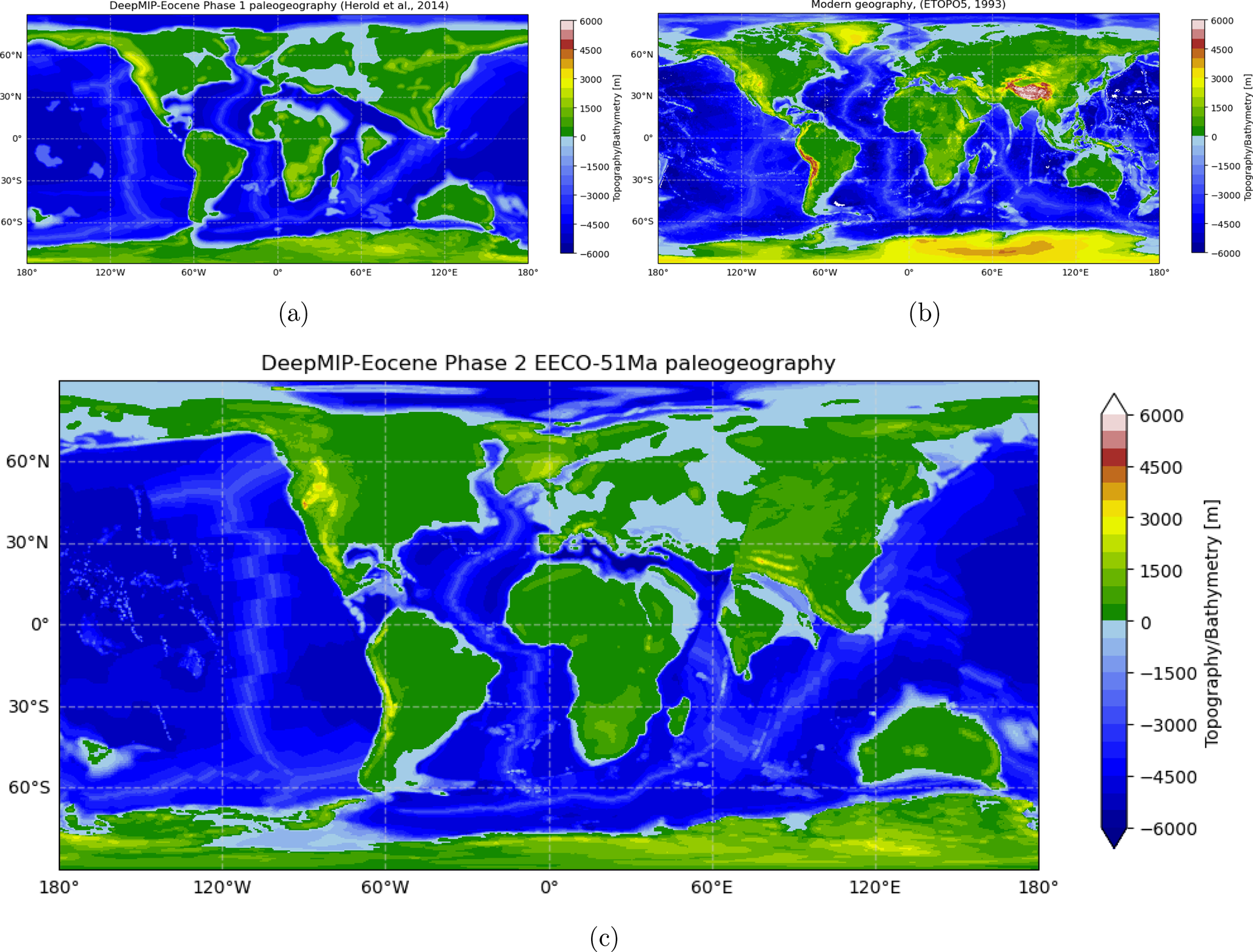
Maps comparing the Phase 1 (55 Ma), modern, and new Phase 2 (51 Ma) paleogeography reconstructions used in the DeepMIP-Eocene model experiments.

This paper outlines the experimental design for Phase 2 of DeepMIP-Eocene, a project that coordinates climate model simulations of the early Eocene, a period around 56–41 million years ago when global temperatures were far higher than today and carbon dioxide levels were much greater. The design updates the paleogeography, vegetation and carbon dioxide inputs used … Read more…
How subduction evolution drives sediment-hosted mineralisation along craton edges

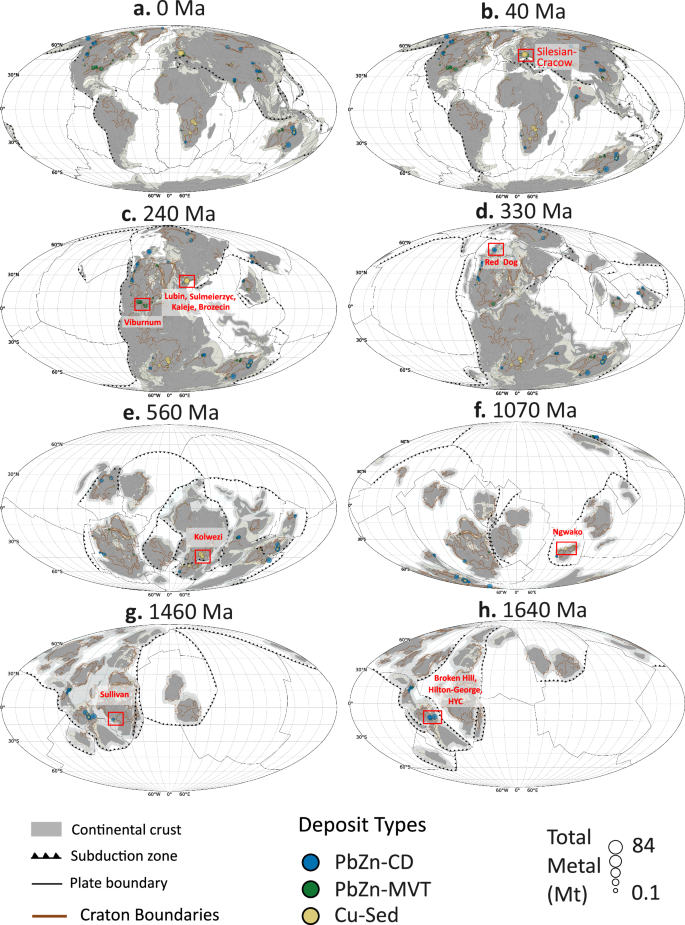
Figure 1 from Shirmard et al. (2026)

This study explores why sediment-hosted mineral deposits tend to form near the edges of ancient continental cores, or cratons. By combining a 1.8-billion-year plate motion model with seismic imaging of craton edges, geodynamic modelling and a global mineral deposit database, the authors show that mineralised craton edges typically formed 800-1800 km from active subduction zones, … Read more…

Influence of secular cooling on core-mantle boundary heat flux and mantle plume temperature over 1.8 billion years

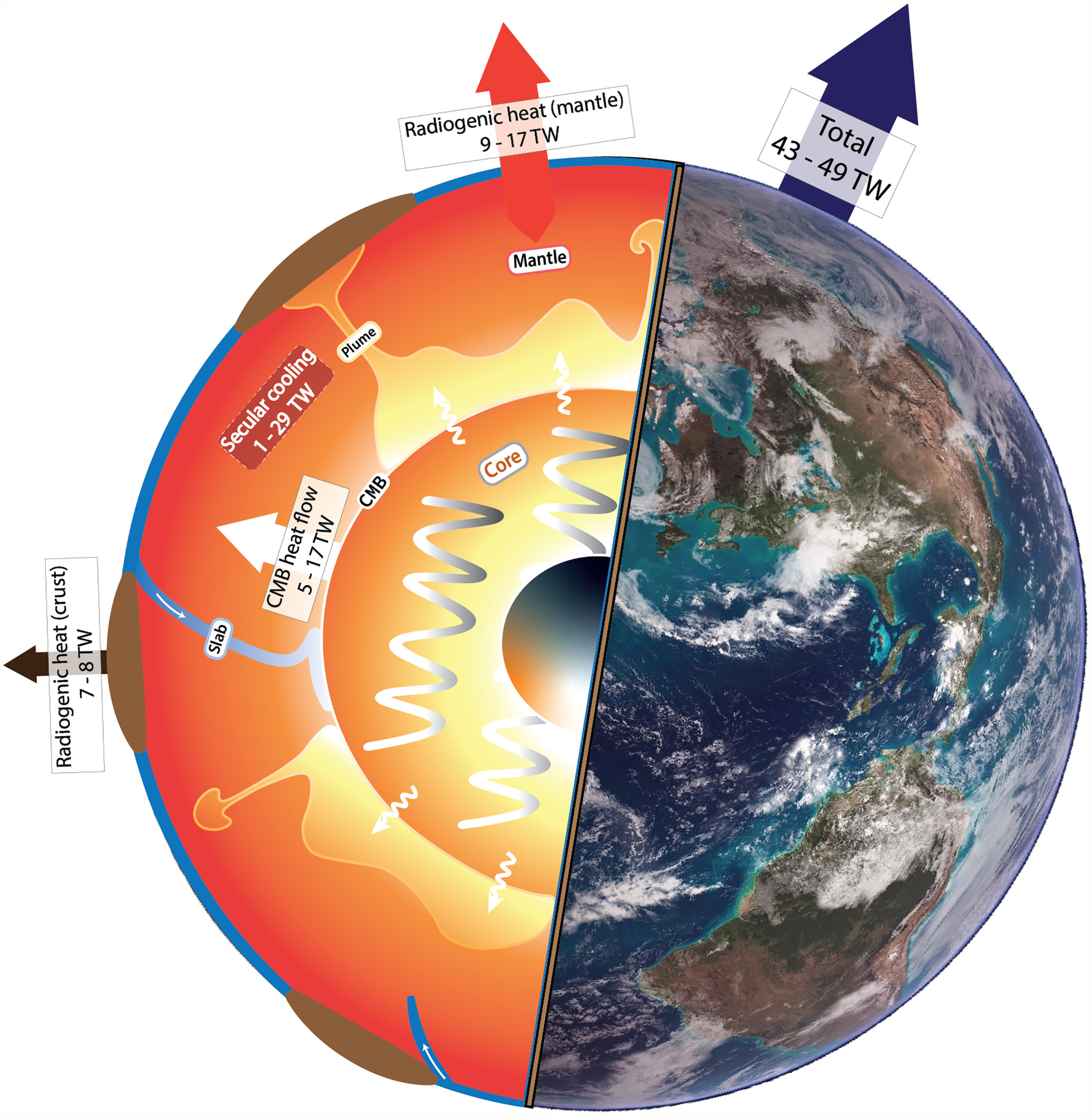
Figure 1 from Zhang et al. (2026)

Researchers modelled global mantle flow over the past 1.8 billion years, incorporating the gradual cooling of Earth’s core and the decay of radiogenic heat sources through time. They found that this long-term cooling reduces both the heat flowing out of the core and the temperature of mantle plumes, at rates consistent with independent geological evidence. … Read more…

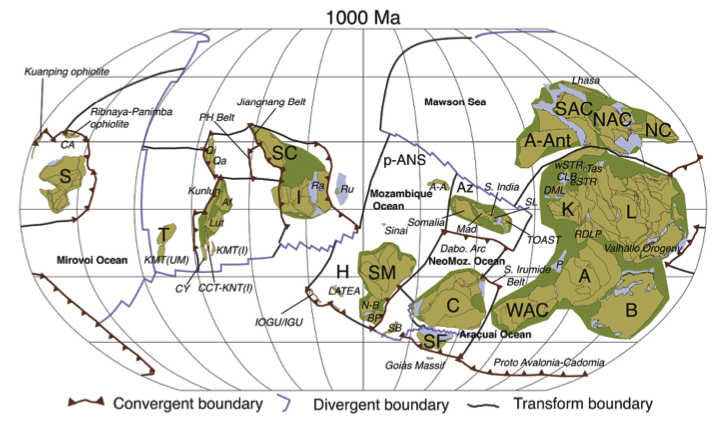
Extending full-plate tectonic models into deep time: Linking the Neoproterozoic and the Phanerozoic

Recent progress in plate tectonic reconstructions has seen models move beyond the classical idea of continental drift by attempting to reconstruct the full evolving configuration of tectonic plates and plate boundaries. A particular problem for the Neoproterozoic and Cambrian is that many existing interpretations of geological and palaeomagnetic data have remained disconnected from younger, better-constrained … Read more…